Devoured by the anxiety of an ever more dramatic economic crisis and with the concrete fear of also losing our jobs, we nonetheless decide, following to the letter the saying that every missed chance is lost, to take a trip during the spring bank holidays again this year. Our little Leo this time too, perhaps the last, will stay at home with his grandparents... He has no idea what our destination is and he leaves in the morning, happy anyway, with the idea of taking (himself) a camper trip in the coming days... In fact the experience we're about to undertake doesn't present particular difficulties, but we don't consider it suitable for a child of just over three.
We're going, in fact, to Morocco, a very civilised country, but African nonetheless and therefore to be tackled with a minimum of caution, and we'll do it by embarking on a road trip through much of the north, but also the south, beyond the Atlas, as far as the foothills of the Sahara. We leave home on a day full of clouds, after lunch, at 13:40 and a quarter of an hour later we take the A14 motorway at Faenza. In no time we reach Bologna, from where we'll take off, and at 14:30 we're at "Park to fly" leaving the car in storage, so, thanks to the shuttle offered free of charge by the operator, shortly afterwards we also pass through the entrance of Marconi Airport. There's no queue at the desk and we do a quick check-in, then we go through the metal detector and shortly after 15:00 we're already waiting at gate number 3.
The plane is on time, so after a couple of hours we board the Air Maroc flight AT953, which at 18:09 lifts off the ground heading for Casablanca. The Boeing 737 climbs rapidly above the clouds and sets course south-west. We come out over the sea in the Gulf of Genoa, then follow almost the whole coast, first French then Spanish, to finally come in sight of Morocco. We begin our descent and land at Mohammed V international airport in Casablanca at 19:07 local time, after having moved the clock hands back two hours. So here we are in Morocco, one of the main countries of North Africa and the Maghreb, extending over more than seven hundred thousand square kilometres (including the Western Sahara region, the subject of endless geopolitical disputes), of which we'll visit the heart, rich in history and natural beauty.
We pass through customs without problems and then struggle a bit waiting for the suitcases, which are late but in the end arrive safe and sound. We then go to the Europecar desk to collect the rental car and there they want to fob us off with a big saloon (a Renault Latitude), deemed of a higher category, whereas we had booked an SUV... After my protests, though, they promise to replace it tomorrow morning... let's hope so! We set off and go looking, in the vicinity, for the Atlas Airport Hotel, while the darkness is now total... We find it and once we've been assigned our room we immediately retire to rest, because tomorrow the first intense stage of this Moroccan trip awaits us.
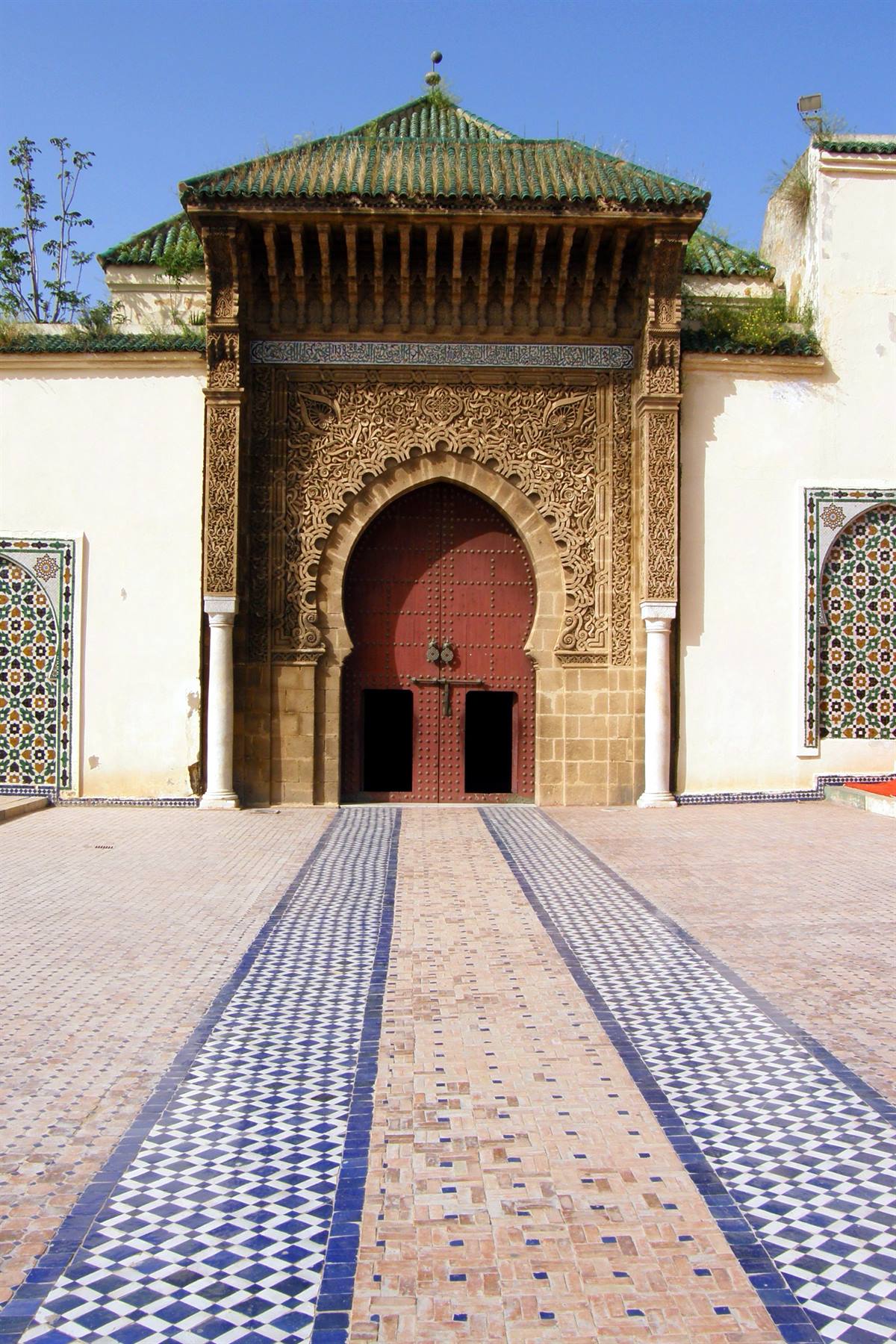
Meknes - Mausoleum of Moulay Ismail
Day 221 Apr 2013
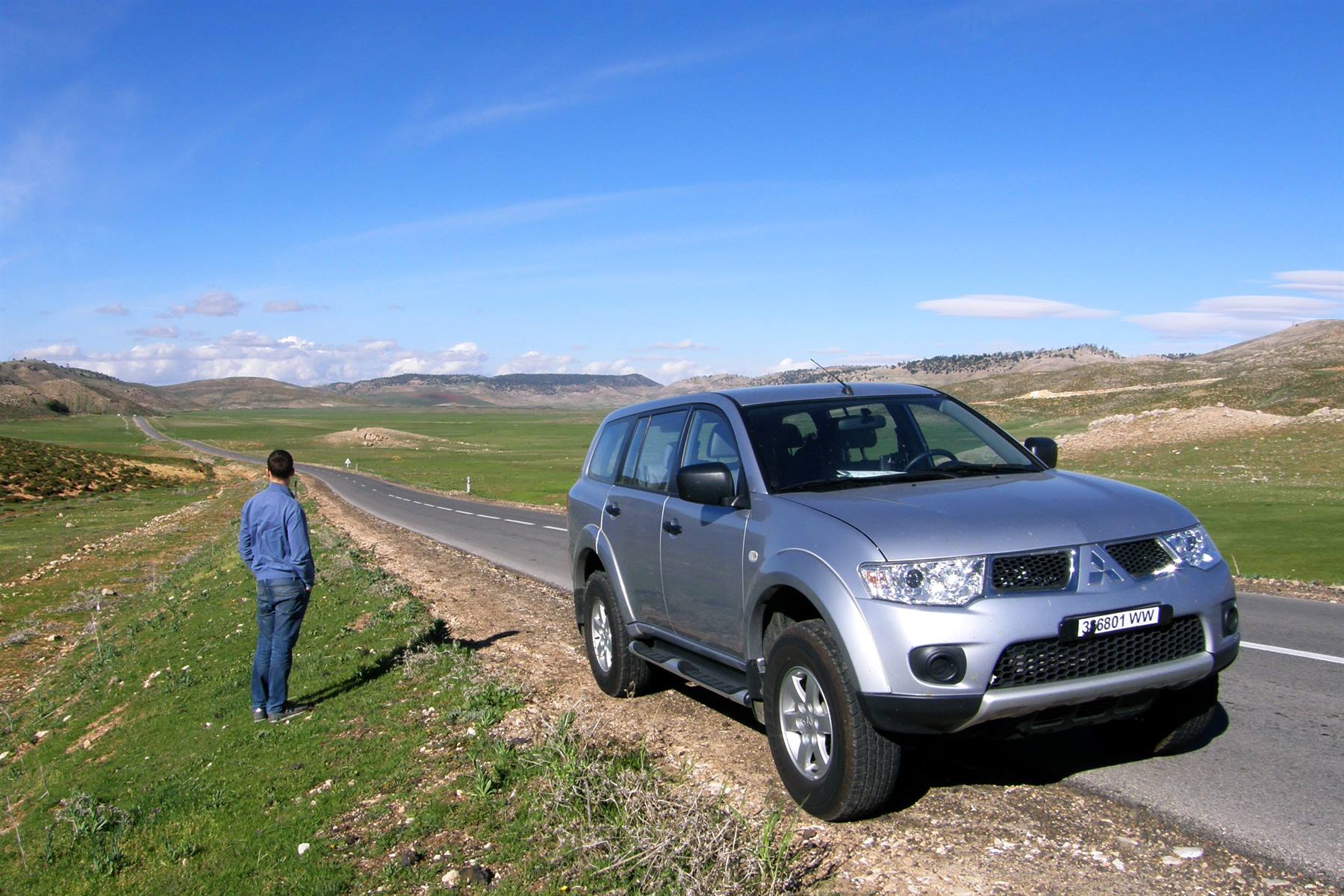
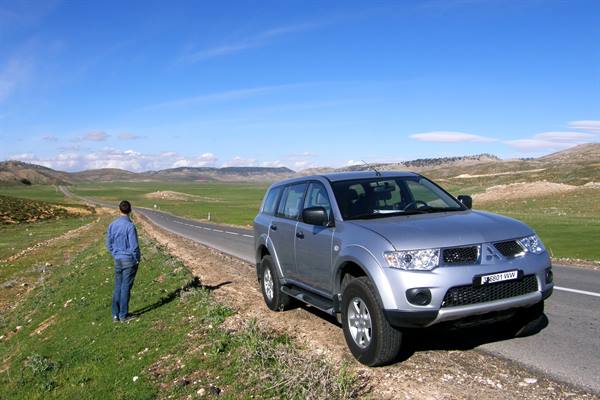
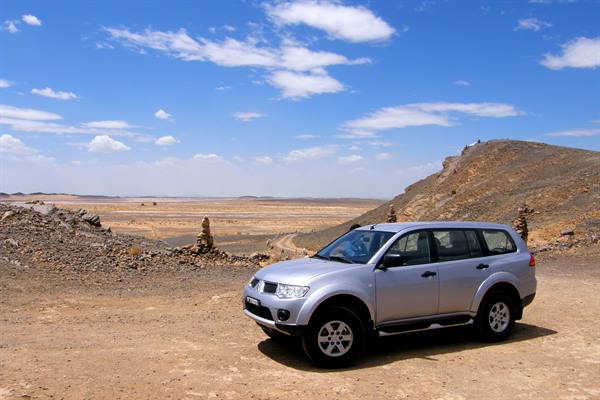
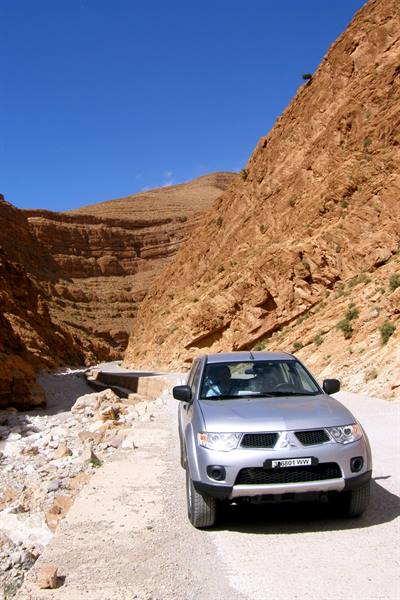
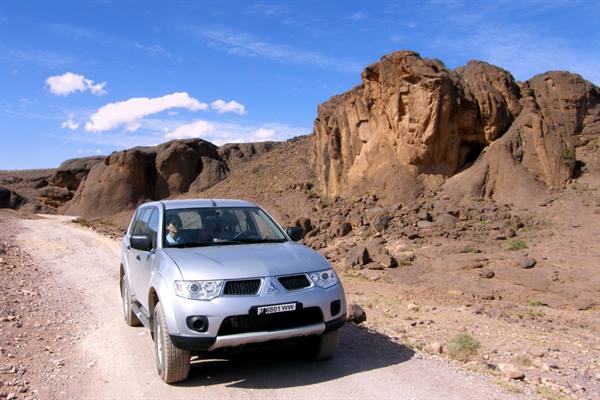
The alarm goes off already before 6:00, also because at 7:00 we have to go back to the airport to swap the car. We have our first continental-Maghreb breakfast and at the appointed time we're in the car rental car park leaving the enormous, but inadequate, Renault Latitude... I go to the Europecar desk and after a thousand ordeals, including the attempt to swap our car the next day in Fes, in the end they pull out of the drawer the keys to a Mitsubishi Pajero Sport... grey, brand new, plate 386801WW, and with that, at almost 8:00, we can finally set off to follow the itinerary we have scrupulously organised. We head towards the Atlantic coast, skipping Casablanca and following the north-east route, towards the capital Rabat, while we encounter numerous banks of fog that remind us so much of our dear Po Valley.
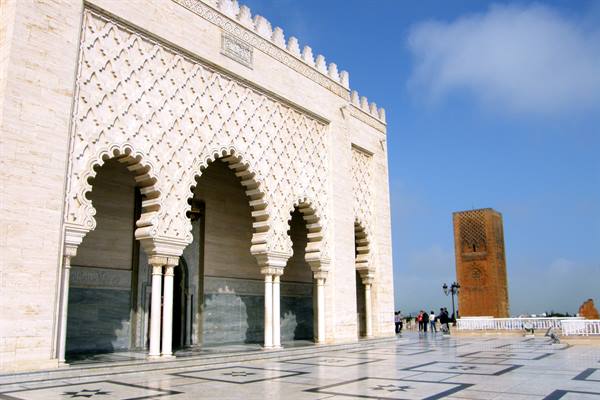
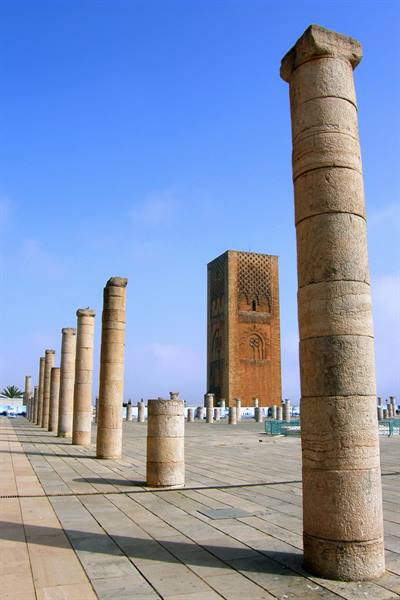
In this way at around 9:00 we make our entry into the city, helped by the Sunday traffic, which is almost non-existent. Once in sight of the medina walls we follow them for a short stretch northwards, then breach them through an ancient gate... In this way we pass beside the interesting Kasbah of the Udayas, one of the city's first Arab constructions, dating back to the 12th century... We photograph its great entrance gate and then go in search of the Hassan Tower. Rabat's main monument stands on a hill almost at the mouth of the Oued Bou Regreg and is an unfinished minaret commissioned by Sultan Yacoub el-Mansour in the 12th century: with its 80 metres it was meant to be the tallest in the Islamic world, but it stopped at 44 after the death of its creator and today it still proudly displays itself, along with the remains of the great mosque it was meant to represent.
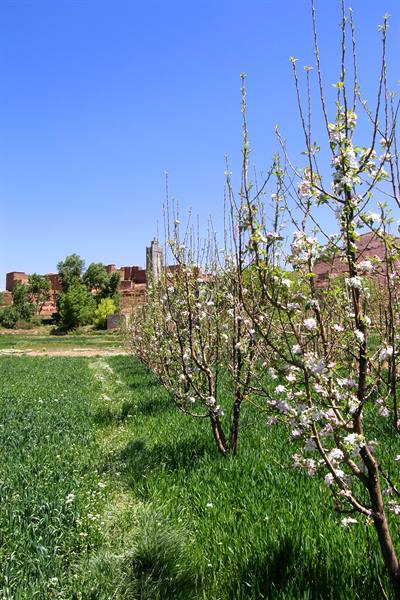
At the entrance to the site we find the royal guards on their patient white horses waiting to welcome us, in fact near the tower there is also the Mausoleum of Mohammed V: a marble masterpiece of Moroccan art, in which rest the grandfather and father (Hassan II) of the current king of Morocco (Mohammed VI). Having completed the first visit, among excellent scenery, even beyond expectations, by mid-morning we prepare to leave Rabat, but not before a timely stop at a big supermarket for essential shopping. Right after we leave the coast and head inland, impressed by the great number of speed cameras we encounter along the way. We cross very green and bucolic landscapes, which we didn't expect to find so lush in a land that normally (wrongly) is more associated with desert and aridity, and we arrive in the late morning in sight of the city of Meknes.
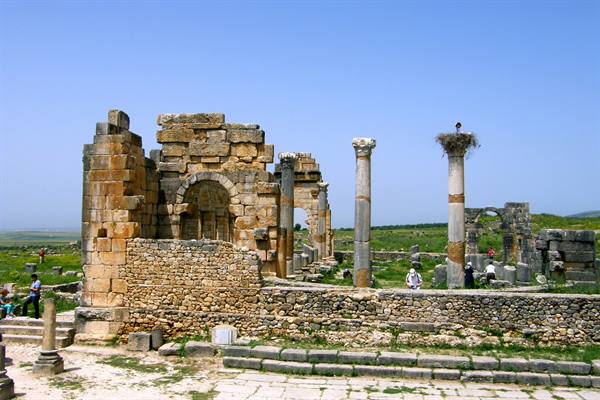
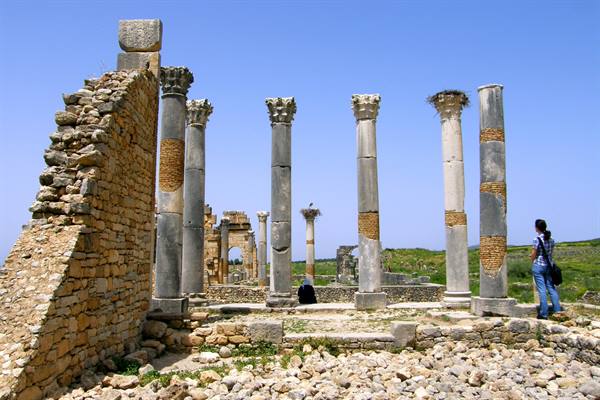
We leave the motorway but don't stop, for now, in our first historic imperial city... We drive along a beautiful road, among gentle flowering hills, and reach, shortly after midday, near the town of Moulay-Idriss, the archaeological site of Volubilis. Declared a UNESCO World Heritage Site in 1997, Volubilis is the most important and vast site of its kind in Morocco... What we're about to visit, in fact, are the remains of a Roman-era city that at its peak, between the 2nd and 3rd centuries AD, had about twenty thousand inhabitants and was one of the most remote outposts of the entire empire. Having passed the main entrance we head straight for the Basilica, or rather, for its remains.
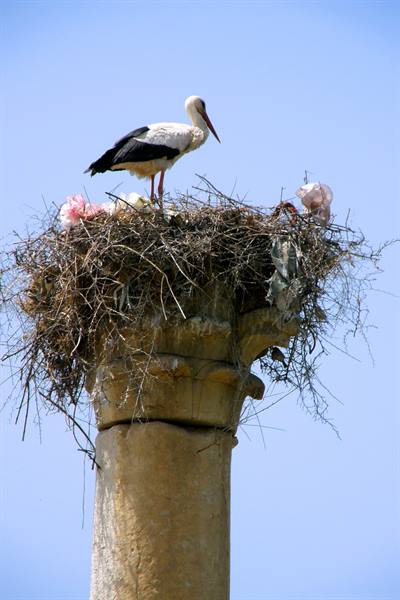
This building, which despite the name did not have religious functions at the time, is perhaps the most evocative of the place, with a fine row of columns at the top of which a nice nest immediately catches the eye, occupied by the ever-present stork. We then explore all the rest of the site, where numerous mosaics of the finest craftsmanship stand out and, along the decumanus maximus, also a grand triumphal arch, built in 217 AD in honour of the emperor Caracalla. At the end of the visit we have a sandwich for lunch and then go back towards Meknes, this time with the intention of exploring the city. Meknes is one of the four imperial cities of Morocco, along with Fes, Marrakech and the more modern Rabat, and is a UNESCO World Heritage Site. We go to park near the very central el-Hedim square and right from this large space teeming with life we begin our visit.
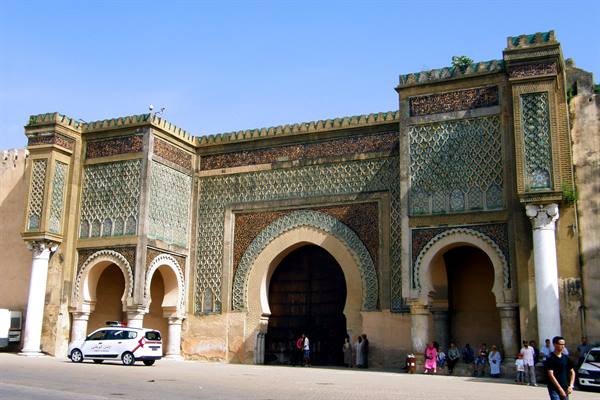
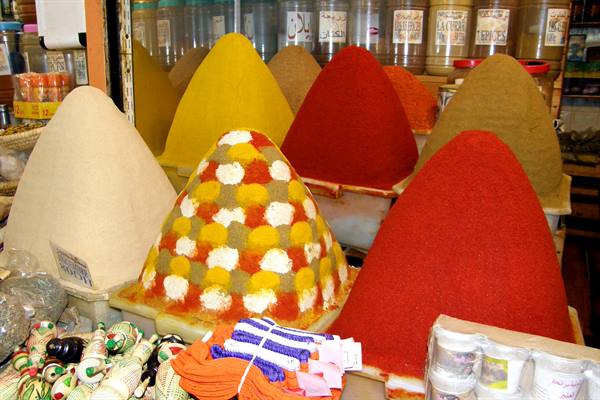
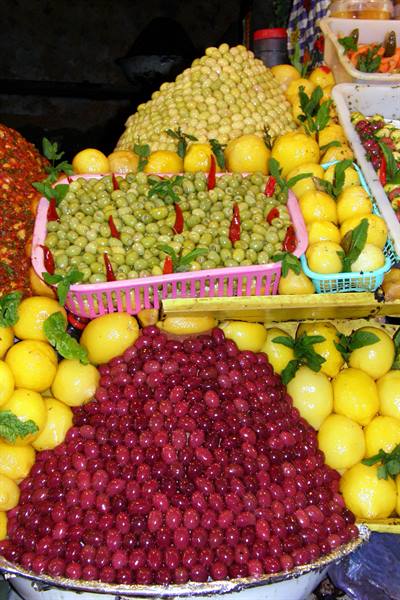
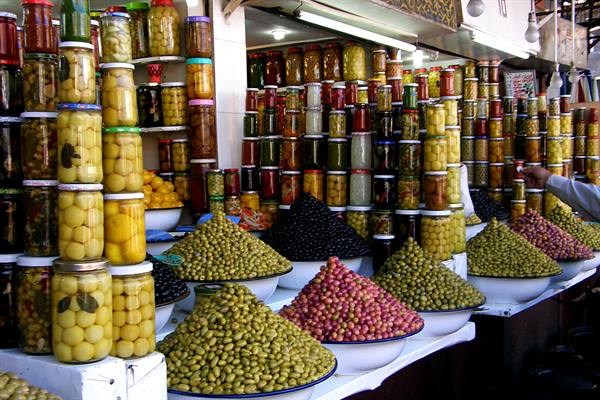
On the square, along the walls, there are some characteristic covered stands, but they are being restored, so we focus on the southern side where the great Bab Mansour gate stands out, completed in 1732 and richly decorated... It was erected as the main entrance to the imperial city of Moulay Ismail, by his son Abdallah, and still today it is one of the most beautiful and imposing in all of Morocco. From el-Hedim you also access the covered market of the medina, so we have our first souk experience on this trip and observe the characteristic meticulously ordered stalls selling sweets, olives and multicoloured spices... From the north side of the square we then venture into the alleys of the old medina and in no time we arrive at the entrance of the Bou Inania Madrasa...
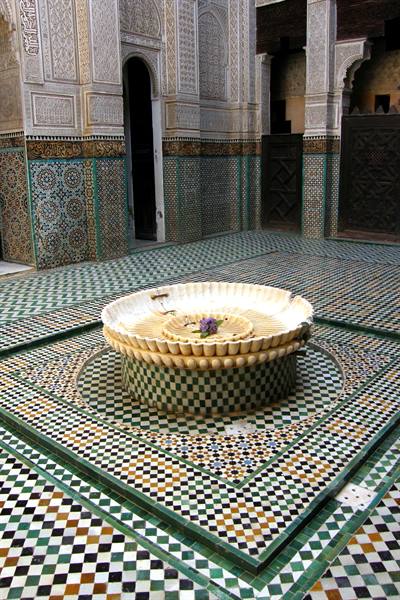
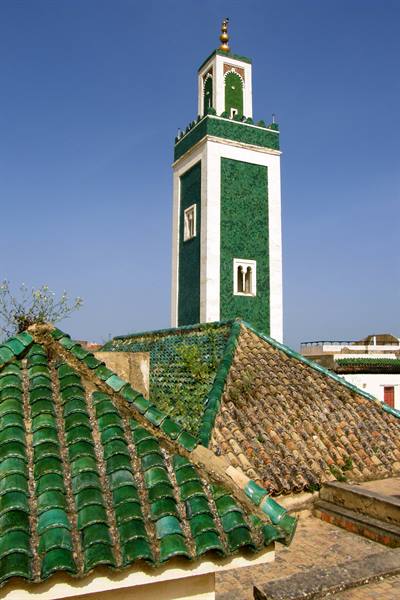
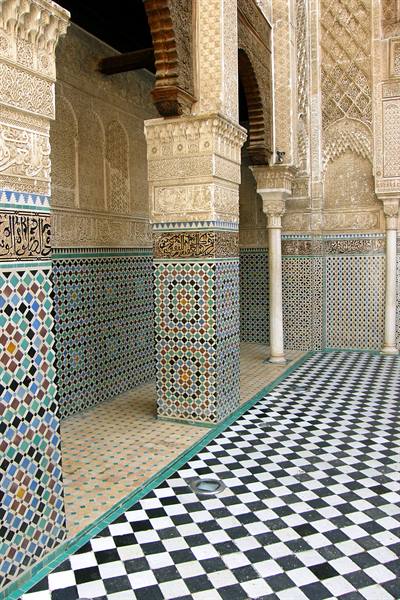
The city's oldest Quranic university (founded in the 14th century) leaves us with a lovely memory, with its courtyard wonderfully decorated according to the most classic criteria of the traditional architecture of the time... But we explore the place right up to the roof where the classic green tiles stand out, as well as the view over the minaret and the chaos of roofs of the medina. Making our way through narrow, sometimes unsettling alleys, we regain el-Hedim square and from there then, passing through the Bab Mansour gate, we go into the imperial city of Moulay Ismail to see the Mausoleum of this figure, who was a leading interpreter of Morocco's complex royal history.
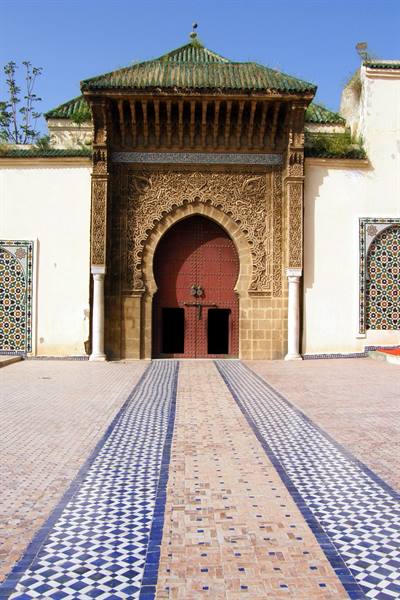
The building, constructed in the very early years of the 1700s, has a sumptuous entrance and comprises some richly decorated rooms and a hall, not accessible to non-Muslims, that contains the remains of the sovereign and some of his closest family members. Near the Mausoleum we also dedicate some time to the so-called Pavilion of the Ambassadors, the Koubbat as-Sufará, where, indeed, the representatives of foreign states were received, but the most evocative detail of the place is a steep staircase, nearby, that leads, beneath the square, to what were enormous granaries or, according to legend, the gloomy place of imprisonment of Christians captured in battle and then used as slaves in the construction of the imperial city.
At this point, now in the late afternoon, we regain our car, but we don't leave Meknes before also exploring the ancient Granaries of Moulay Ismail, accompanied by a nice local guide... The place, for the most part in ruins, once housed Ismail's twelve thousand horses and today, thanks to its original and characteristic setting, is often a film set for important films, such as "The Last Temptation of Christ" by Martin Scorsese. Before darkness falls we still have to cover the roughly fifty kilometres that separate us from the city of Fes, which we'll visit tomorrow, so, thanks also to a boy who accompanies us on his motorbike for the last stretch, we arrive, within the walls of the medina, at the Hotel Batha, which will host us for this night...
We treat ourselves to a refreshing shower and then savour an excellent Moroccan dinner in the nearby restaurant Bouayad (at the ridiculous price of twenty euros for three!), positively concluding the first real stage of this North African trip.
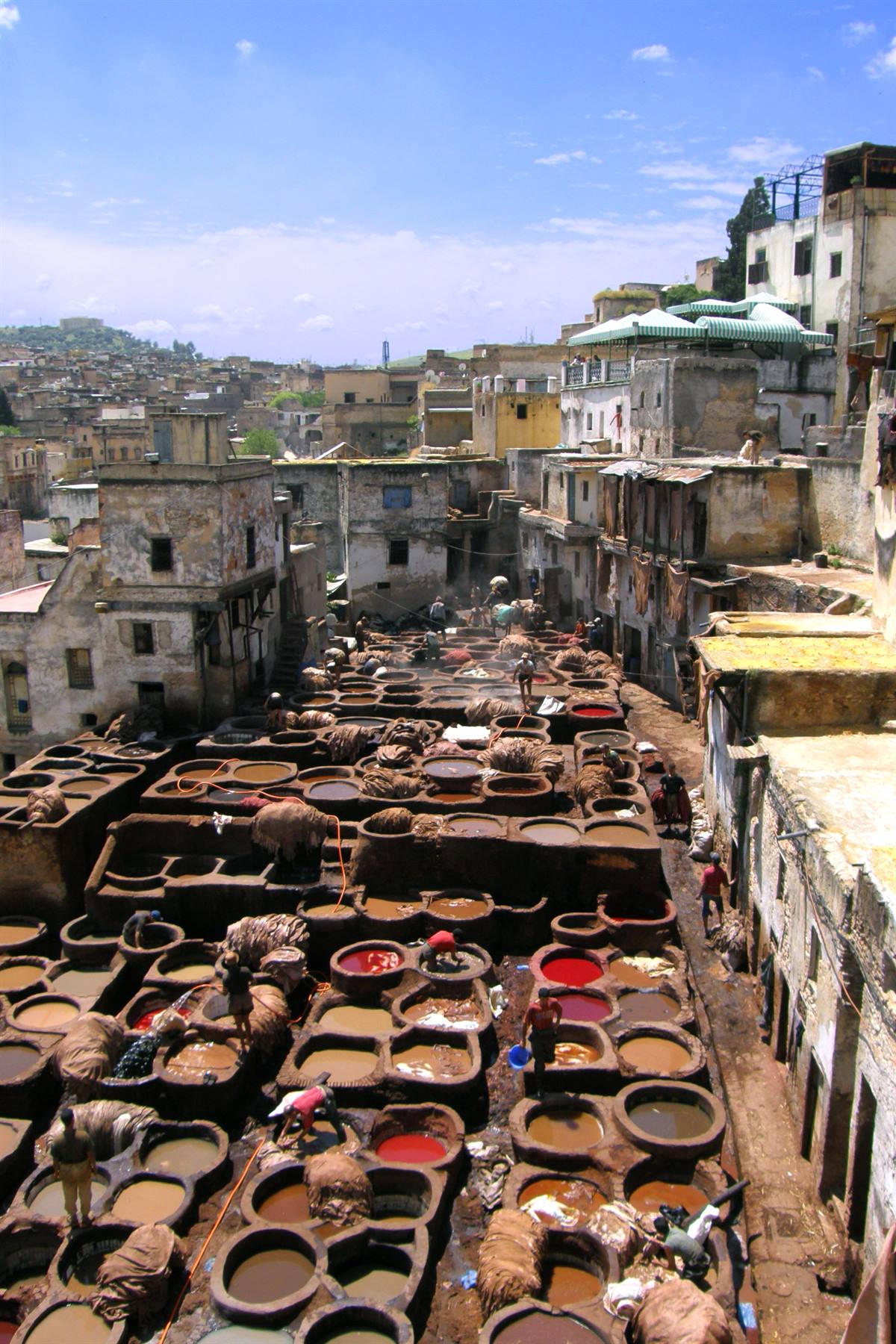
Fes - Chouara tanneries
Day 322 Apr 2013
- First part -
We wake up in time to be at the 8:00 appointment with our guide... that is, the presumed father of the young man who accompanied us to the hotel last night. He shows up, right on time, a rather distinguished gentleman who shows us an official guide's card... I have some doubts about it, but that's fine anyway... We agree on a city tour for 150 Dirham and set off by car to conquer Fes. The oldest of Morocco's imperial cities was founded in the 8th century AD and reached its period of greatest splendor under the Merenid dynasty, around 1250. Today, despite the largely tourist-related fame of its historic rival Marrakech, it can be considered the moral and cultural capital, as well as the symbolic city of the entire nation.
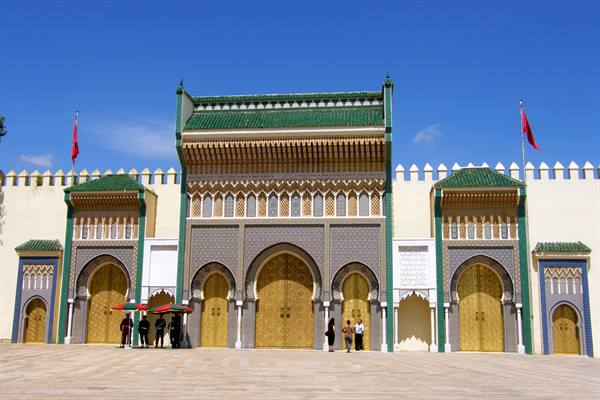
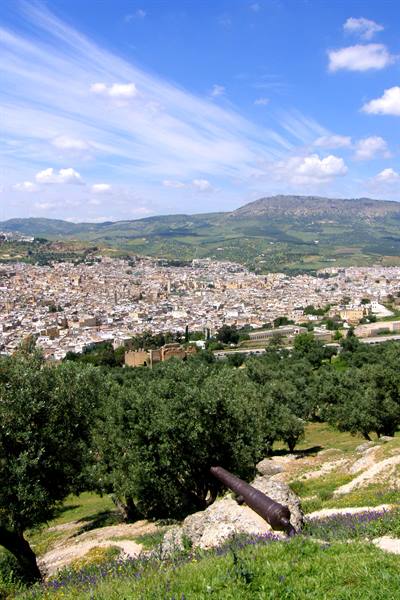
Its urban fabric has about a million inhabitants and is very extensive, but we will focus above all on visiting the ancient medina, called Fes el-Bali: one of the largest medieval cities still existing in the world, declared a UNESCO World Heritage Site in 1981. First of all we go to the nearby Fes el-Jedid to see the facade of the current royal palace (not visitable), but we don't have the light in our favor and it's all in shadow... but we'll be back... Then we go up to the Borj Sud fortress to observe the old city from above, but in the meantime quite a few clouds have rolled in and the view doesn't do it justice...
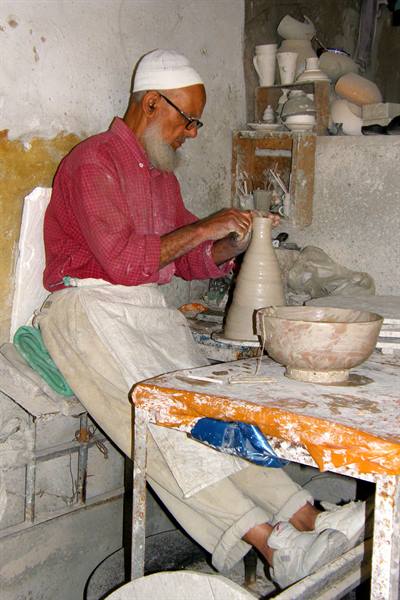
we'll be back here too! At this point our guide takes us to an outlying neighborhood, east of the medina, to see a cooperative where the traditional pottery of Fes is produced: a visit we hadn't planned but all in all interesting, even though, not being good buyers, we surely disappointed our companion's expectations. Now mid-morning, while the clouds are slowly clearing, we go to park near the center and on foot begin exploring the medina of Fes. We venture into an intricate labyrinth of narrow streets, all similar to one another, and following our "lighthouse" we pass in front of the beautiful facade adorned with stuccoes and canopies of the Mosque of Sidi Ahmed Tijani, one of the most venerated saints of the city...
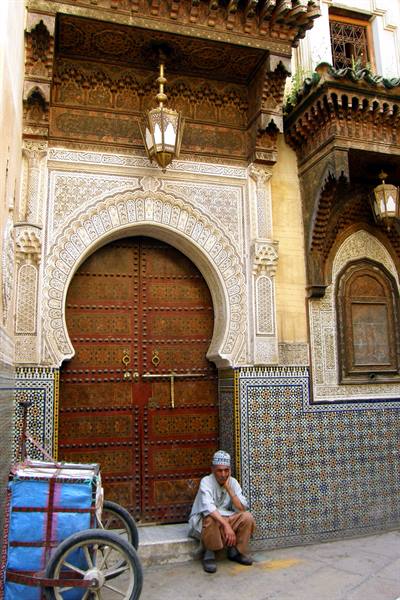
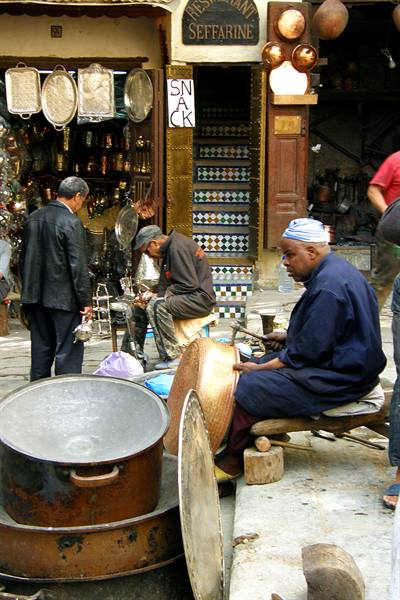
then we go to see the remarkable Attarine Madrasa, the most important and oldest Koranic school in Fes, dating back to the early 14th century, which displays, especially in its sophisticated central courtyard, stunning Hispano-Moorish architecture, typical of the Merenid period. We walk around the great Qaraouiyine Mosque, founded in the 9th century, which can hold up to twenty thousand worshippers and whose minaret is considered the oldest in the entire Islamic world, but of course access is forbidden to non-Muslims. We are lucky, though, because we happen to arrive at the moment when the main door opens and we are allowed, by giving a small donation, to take a few photos. Strolling along we reach Place as-Seffarine, which literally means Square of the artisans who work brass... indeed it is very characteristic and numerous hammers are skillfully at work even today...
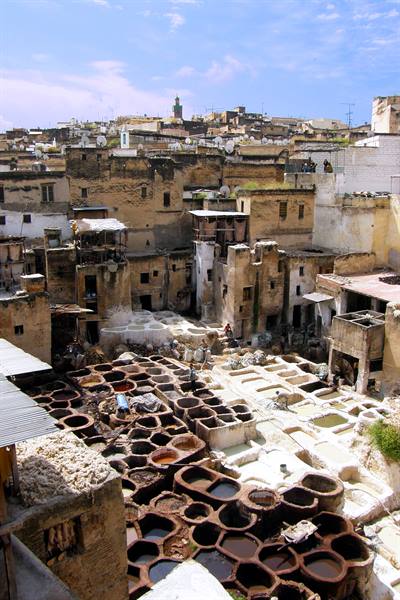
From there we then take a nice tour through the most typical areas of the souk of Fes, so we can savor many raw scenes of Moroccan daily life. In this way, also passing by the Mausoleum of Moulay Idriss II, founder and patron saint of the city, which, since we are not believers, we are content to see through the main door, we arrive at Place Nejjarine, where the fountain of the same name stands out, considered the most beautiful in Fes, protected by a protruding roof of carved cedar wood (nejj in Arabic means sawdust... we are in fact in the district that brings together wood artisans). On the same square there is also a building that houses the museum of woodworking, to which we dedicate some time, especially for the setting: a magnificent 18th-century caravanserai, well restored. Near Place Nejjarine, at my insistent request, the guide takes us to the Guerniz Tannery.
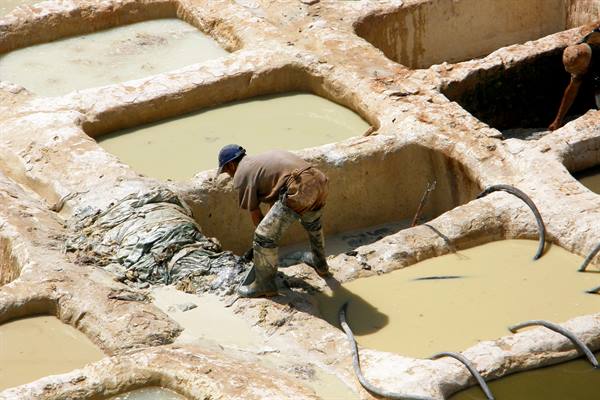
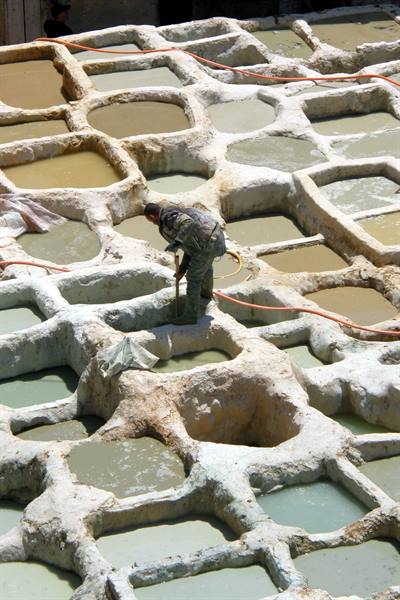
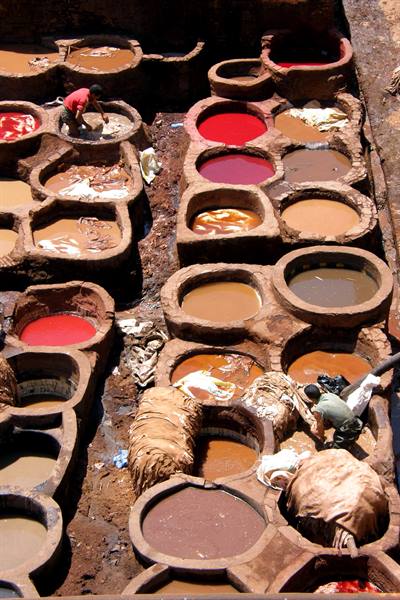
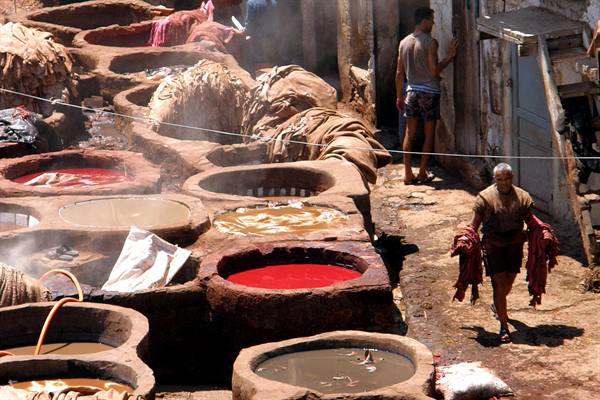
Moroccan leather, and in particular that produced in Fes, has been appreciated for centuries and considered among the best in the world. Over time its production process has not changed at all and in the 21st century it can still be considered a practice of medieval style. We climb narrow, winding stairs up to the roof of a building and from there we look out over the row of vats of the tannery, where a handful of people seem to be working in a sort of Dantean circle... The Guerniz Tanneries are not the largest and most renowned in the city, but they are still very characteristic and certainly deserve a visit.
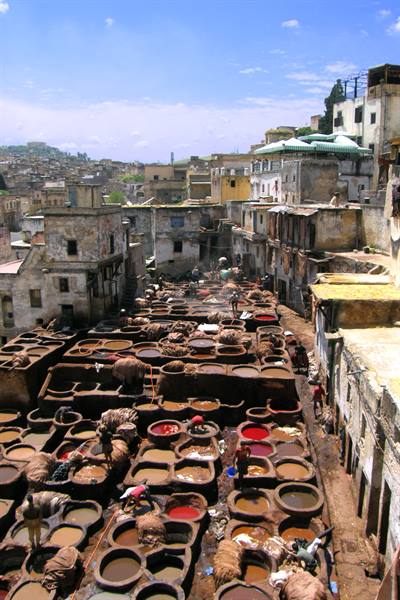
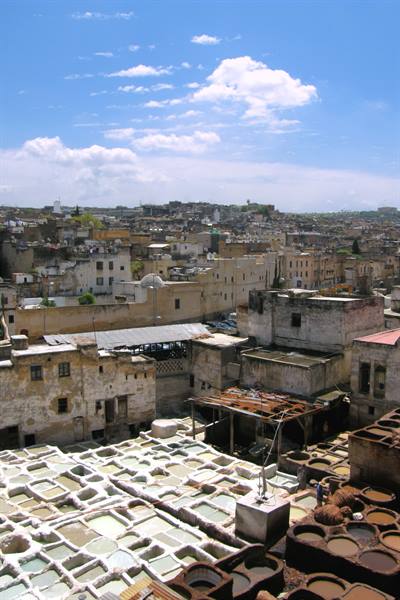
The nature and character of the Moroccan people are undeniably founded on commerce, so in the late morning our guide, under the pretext of showing us a typical house of the medina, drags us into a very well-architected carpet demonstration, so much so that we almost buy one, then Sabrina notices some flaws, which only a feminine eye could catch, and we decline. Immediately afterward another attempt to get us to open our wallets is triggered: at the handicraft textile shop (perhaps), but we don't let ourselves be ensnared and we arrive unscathed at the entrance of the Chouara Tanneries. The most famous, vast and characteristic tanneries of Fes we observe from the top of a terrace, from which the spectacle is truly evocative, in its raw reality outside of time...
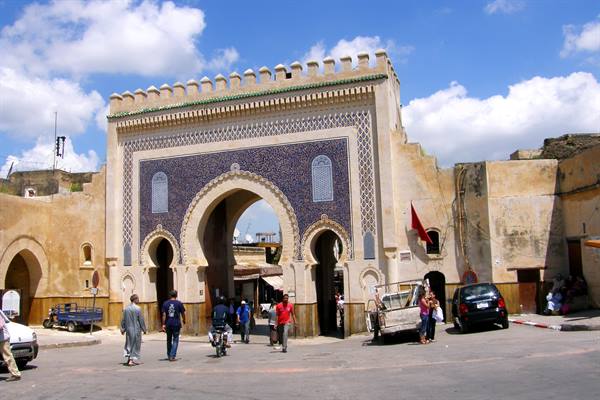
and the much-feared stench they emit ultimately doesn't turn out to be all that terrible, even though inside the tanning vats there is a bit of everything: from pigeon droppings to cow urine... Back in the alleys of the medina we make one last stop at a cooperative producing the famous argan oil (with remarkable and proven healing and cosmetic properties) and buy a small package, then, once back at the car, we return to the hotel. We say goodbye to our guide, who was useful to us and all in all satisfied us, although I don't think the feeling is mutual, given our scant inclination to buy. Before going up to the room we go to photograph the nearby Bab Boujloud, the main and scenic entrance gate to the medina, and to visit the Bou Inania Madrasa, another important and historic Koranic school, namesake of the one in Meknes, but we find it closed because it's time for prayer...
So we definitely return (by 13:00, as previously agreed) to the Hotel Batha to collect our luggage. We load it into the car and shortly afterward we hit the road again. We stop to capture with the right light the lavish facade of the Royal Palace, then we also return to Borj Sud to do the same with the view over the old city, and in its parking lot we eat our classic packed lunch.
Col du Zad
Day 422 Apr 2013
- Second part -
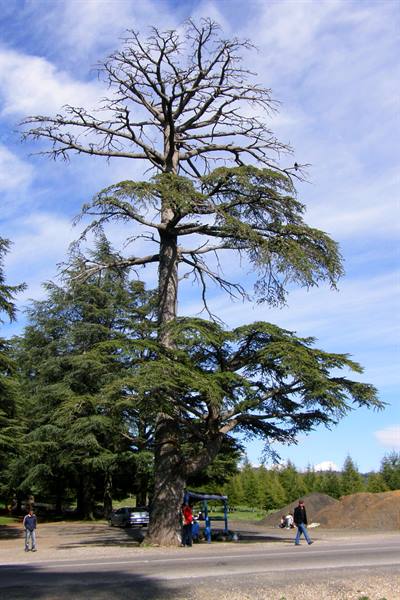
It is just after 14:00 when we prepare to leave Fes: this afternoon we will have to cross nothing less than the Atlas mountain system, a true natural barrier between the north and the south of the country, with its 700 kilometers of length and peaks exceeding 4,000 meters. More than 300 kilometers of road await us, largely mountainous, and it will be tough to reach our destination before dark, but we must persevere since it is an obligatory stage in approaching the desert areas of Morocco. We head south and soon begin to climb in altitude, so in the town of Ifrane we cannot help but notice the sloping roofs of the houses (it feels like being in Switzerland), which immediately make one think of snow. Indeed we are in one of the most renowned ski resorts in North Africa.
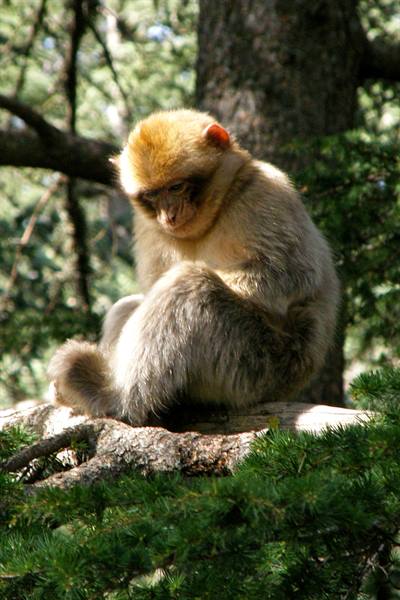
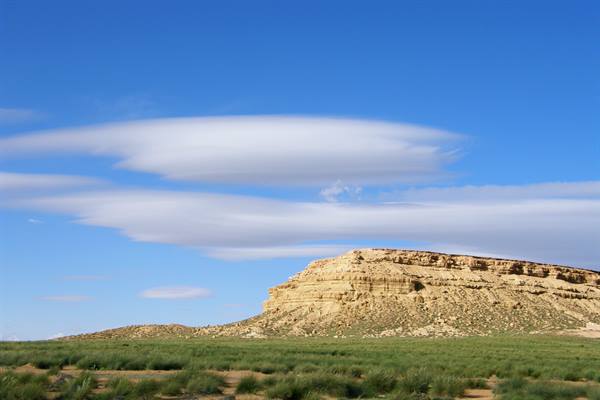
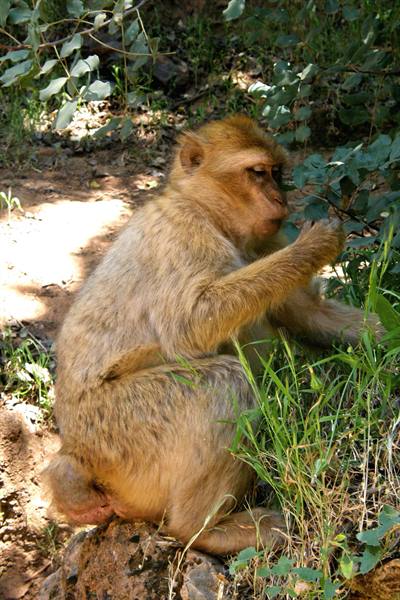
Shortly after the junction for the town of Azrou we then venture into beautiful cedar forests and at a certain point we stop to observe, at the roadside, a large troop of Barbary macaques, besieged by just as many tourists armed with cameras. Further on the trees disappear and we travel a long stretch flanked by very green but bare landscapes, vaguely reminiscent of the Mongolian steppe. We pass over the Col du Zad (at 2,178 meters of altitude), then follow another valley scattered with monumental cedars and descend toward an arid plain, in which the predominant color is no longer green, but the warm tones of the earth... Indeed now it feels like being in the American West. Meanwhile quite a few clouds have gathered in the sky, spoiling the last stretch of road whose landscapes, with the presence of the sun, would have been quite another thing...
We thus cross the interesting Ziz Gorges in the shade combined with the darkness of evening. However, now in sight of the city of Er-Rachidia (our destination) we are delighted by a stunning sunset that seems to set the clouds on fire. In almost total darkness (shortly after 19:00) we arrive at the Casbah Aferdou, which will host us for this night. We take possession of the room, have dinner (well and cheaply) and then go to rest, closing an endless but unforgettable day!
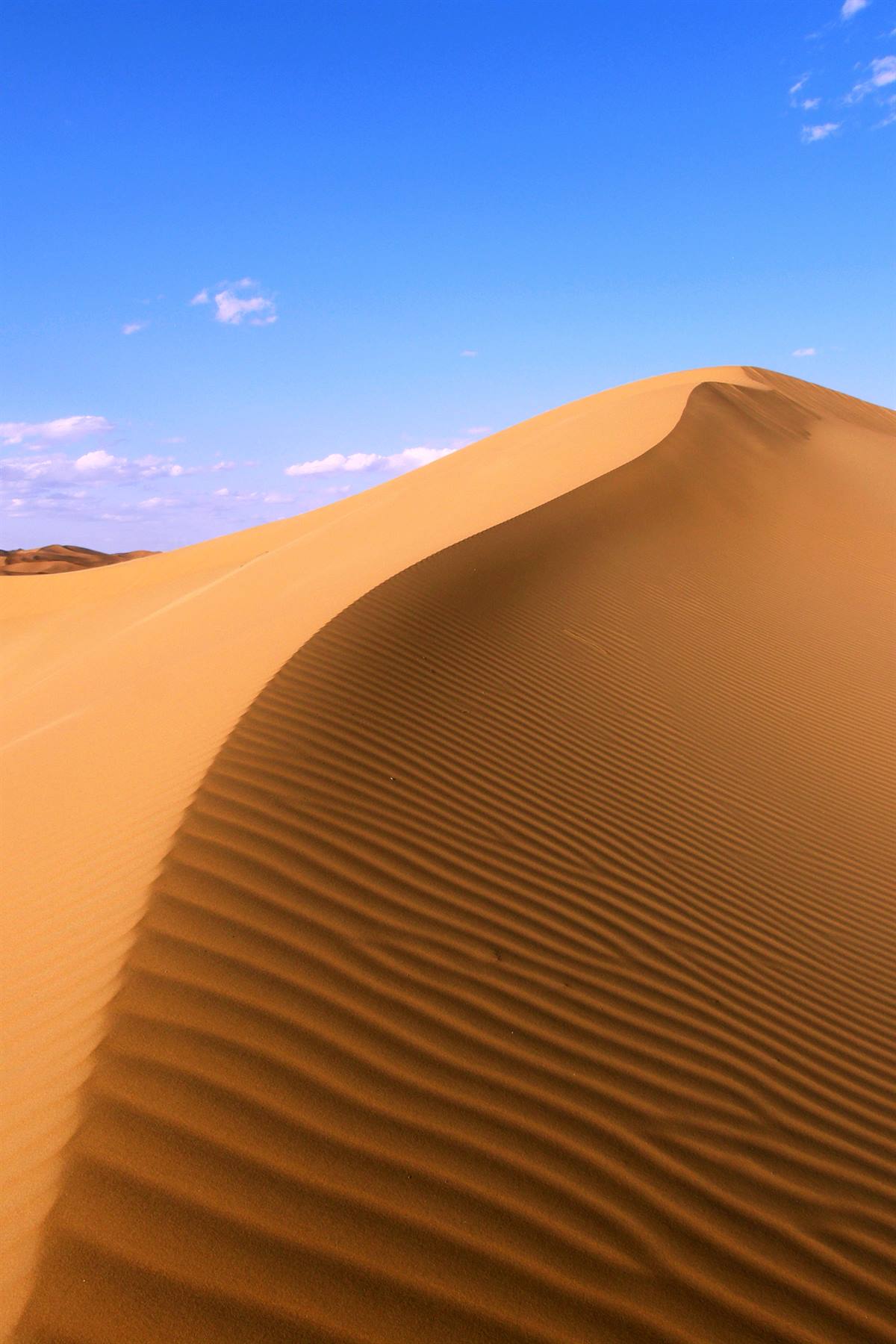
Merzouga - Erg Chebbi
Day 523 Apr 2013
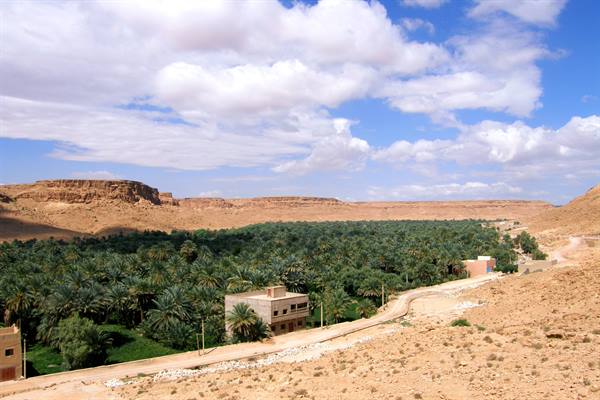
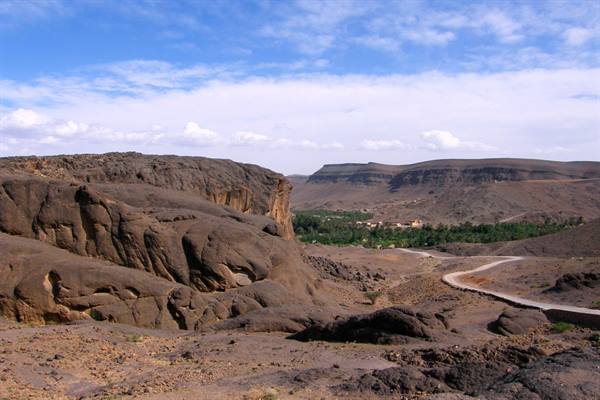
Once we have again arranged our luggage in the car we decide, first of all, to backtrack a bit along the itinerary to go and see at least a stretch of the Ziz Gorges in daylight... However, the clouds abound in that area today too and we end up only lengthening the stage by at least forty kilometers. Back in Er-Rachidia, with the sun now, in bursts, delighting us with its presence, we head south flanking the very green Ziz Valley overflowing with palms, which stands out between two wings of reddish rocks and the surrounding desert landscape, while a biting wind blows from the east which, given the latitude and the season, makes the air far too crisp.
By mid-morning we arrive in the town of Erfoud intending to climb the height of Borj Est, which dominates the entire area, to enjoy the panorama, but once we have crossed the Oued Ziz and made the first ramp of the dirt road that reaches the top we give up, because today's dense haze would not offer a worthy spectacle. We then continue along the road that runs on this side of the river and reach the vicinity of a rocky ridge famous for its fossil deposits, which we notice trapped in certain formations, but the pieces offered by some sellers do not fully convince us of their authenticity, so we return to Erfoud and follow the signs for the town of Rissani.
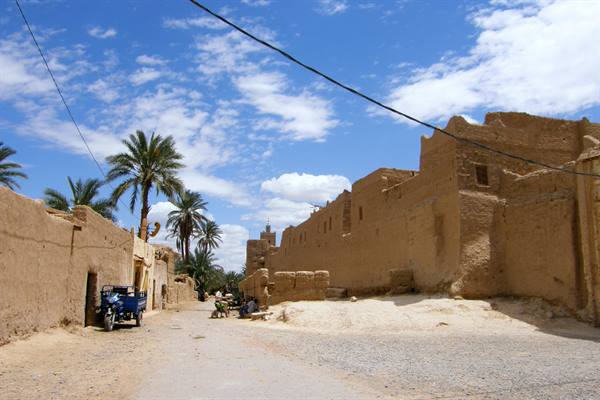
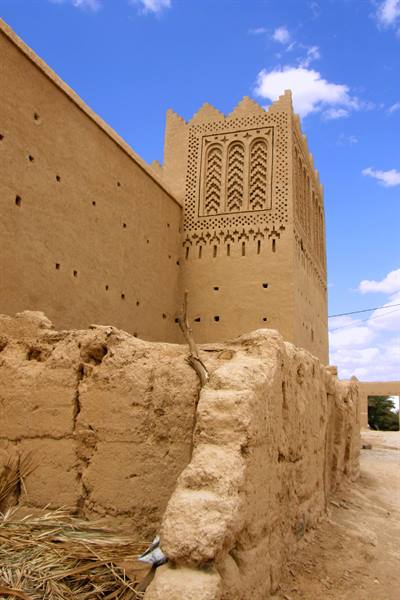
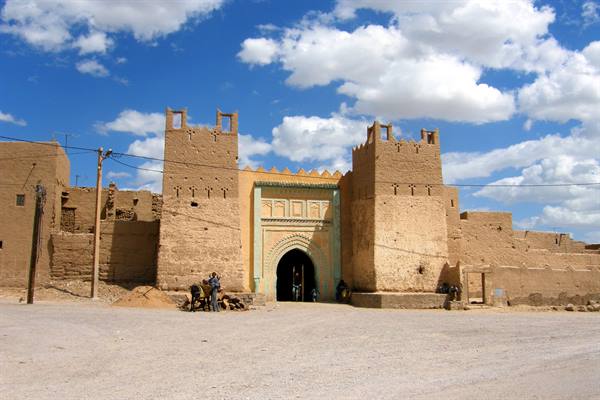
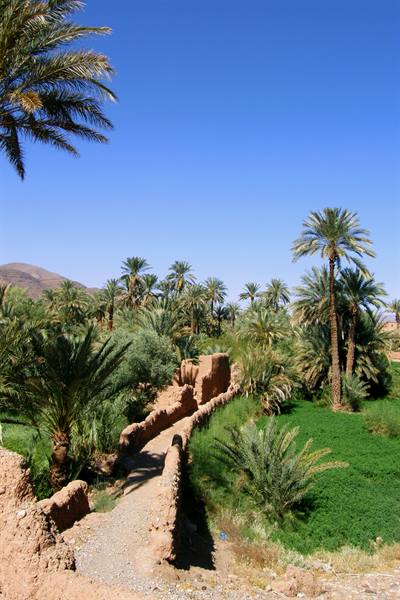
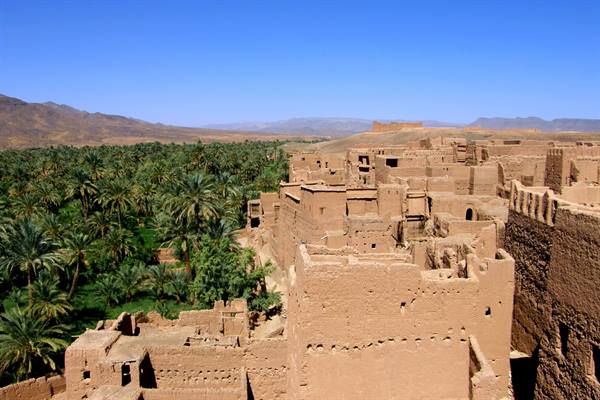
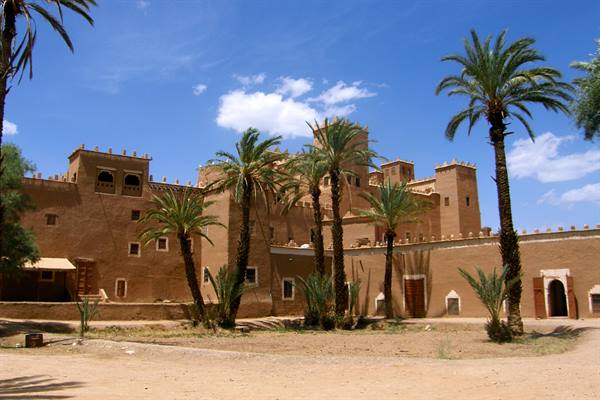
We venture on a small detour to go and see the solitary tower of the Ksar Ouled Zohra and then we make our entrance into the Tafilalet oasis, which can boast the most extensive palm grove in all of Morocco, with over seven hundred thousand date palms. In Rissani we go to visit the mausoleum of Moulay Ali Cherif, a construction dating back to the last century that houses the remains of the founder (in the 17th century) of the Alaouite dynasty, to which the current king of Morocco Mohammed VI also belongs. In the parking lot of the mausoleum we have lunch and then from there we tackle a route that ventures into the palm grove, very evocative and dotted with numerous Ksar (fortified villages), among which stands out, for its architecture, that of Oulad Abdelhalim...
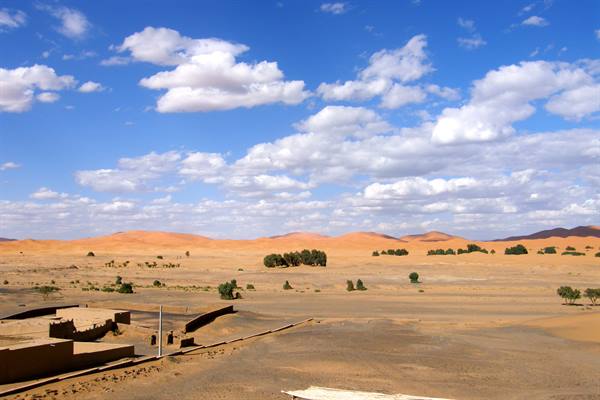
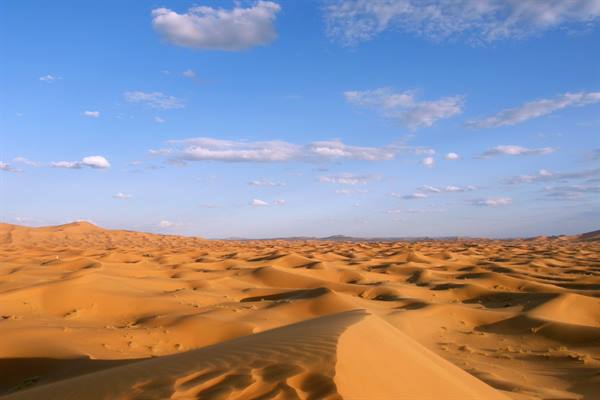
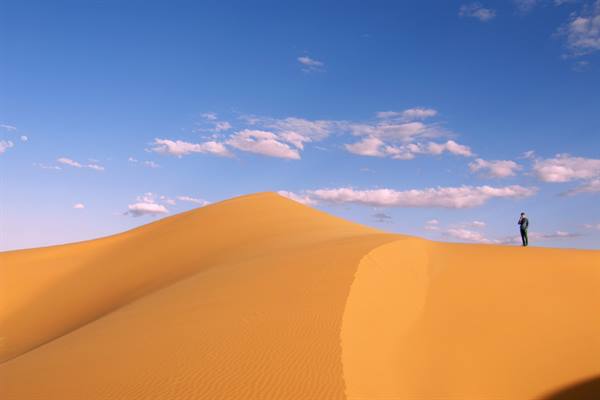
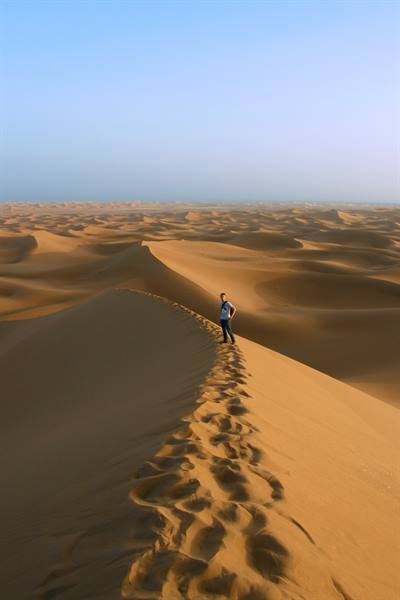
but further on the pisé gate of Serghine is also quite intriguing, where a swarm of children besieges us, looking for pens and bonbons, while we take a photo. The route closes in a loop after twenty kilometers, among beautiful views, returning to Rissani and at that point all that remains is to head toward Merzouga, a Berber settlement located at the foot of the famous dunes of the Erg Chebbi. Already several kilometers before arriving at the destination the large reddish dunes of this enormous sand deposit are clearly visible (about 27 kilometers long and 6 to 7 wide), which is one of the main attractions of Morocco. First of all we go in search of the Kasbah Azalay, the structure that will host us for this night with a Saharan flavor, indeed at Merzouga we are about 20/30 kilometers from the border with Algeria.
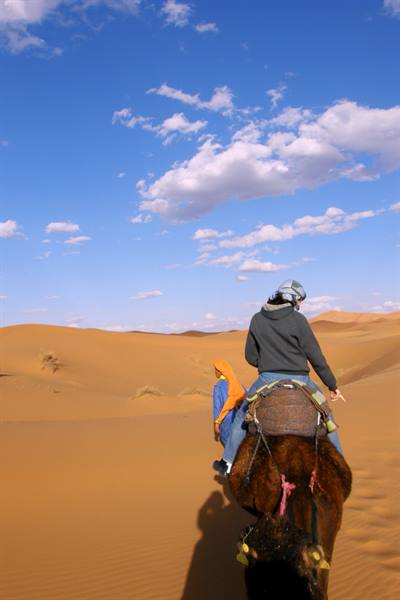
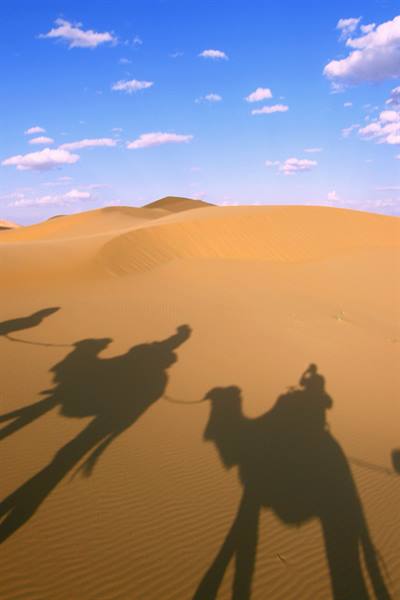
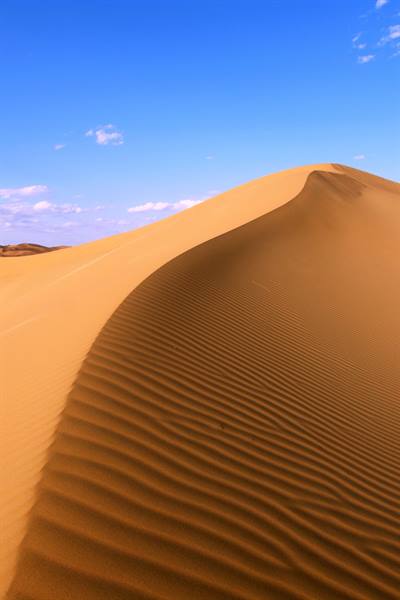
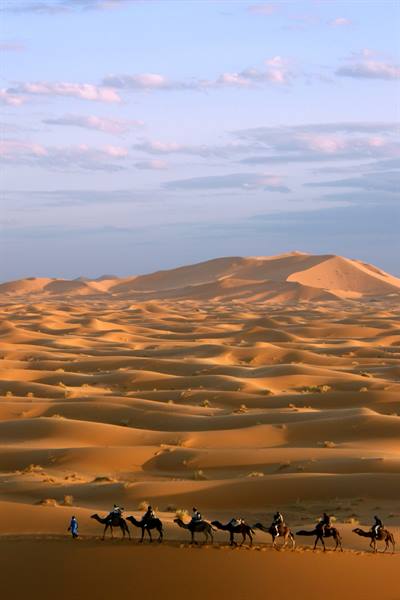
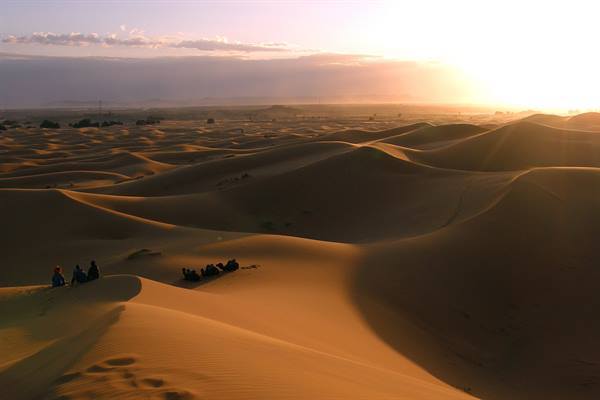
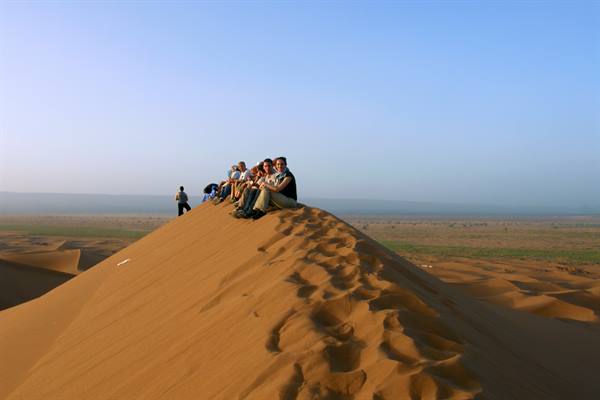
Doing a bit of off-roading we find the kasbah, located on a small height, a stone's throw from the first dunes and very lovely... They immediately give us our room, extremely refined in every detail, and then we ask the owner for help in organizing a dromedary excursion on the Erg Chebbi, in the warm light of sunset. At 17:00 sharp a Berber boy (or at least so it seems) shows up with three dromedaries. He has us mount and with him in front, on foot, we venture among the dunes. Amid stunning scenery of soft reddish sand shaped by the wind we climb swaying up to the highest dunes (about 150 meters), where we stop to wait for the sun to set... Fantastic!...
I indulge myself taking photos from every angle on the golden sand crests, which toward the east seem to vanish below the horizon line, while the shadows grow ever longer highlighting the harmonious irregularities of the changeable and voluptuous terrain around us. Then darkness takes over and the hypothetical curtain closes on an unforgettable spectacle... one of those experiences that alone are worth the entire trip... The time to return has come, so we go back on the backs of the dromedaries and, still swaying, we conclude, with darkness now dominating the scene, this magical experience. We say goodbye to our Berber friend, who accompanied us, and retire to the Kasbah Azalay for the evening, seasoned with an excellent dinner... epilogue of another extremely positive day.
Todra Gorge - Tamtattouchte
Day 624 Apr 2013
Drawing back the curtains in the morning and seeing in front of us the expanse of dunes of the Erg Chebbi is something sublime... We have a good breakfast and then we have the kind owners of the Kasbah Azalay accompany us to the quad rental in Merzouga... A roaring off-road vehicle for me and Sabrina, one for Federico and one for the guide... then off we go, toward the reddish and harmonious piles of sand in front of us! We let loose up and down soft hills of golden sand and live a fantastic experience, one of those that empties the mind of any kind of problem... In this way, after a good half hour, we plunge completely into the most classic of desert landscapes and arrive at a Berber village, located at the foot of an enormous dune and set within the boundaries of a tiny oasis: an undeniable patch of color in the monochromatic surrounding environment.
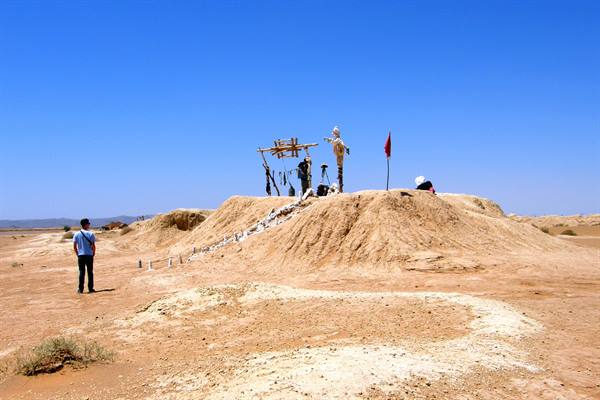
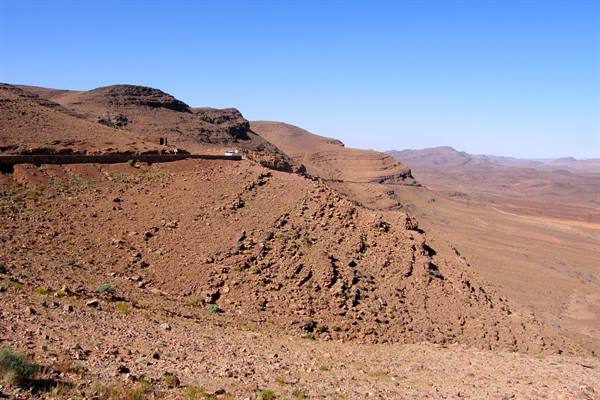
Back on the quads we race around, having fun, for another good half hour, then we return, fully satisfied, to the starting base. Shortly afterward we also regain the Kasbah Azalay, so as to retrieve our luggage and definitively say goodbye to the wonderful dunes of the Erg Chebbi, which will remain forever in our hearts. We cover a good stretch of road back, as far as the city of Erfoud, then we head west and take the R702 following the signs for Tinghir. At a certain point on the right, just after the town of Fezna, we notice many mounds of earth arranged in long rows, almost as far as the eye can see: they are old wells dug several decades ago by the local populations, up to thirty meters deep. We stop, curious, to observe them briefly up close, then resume the itinerary. The landscape is now flat and semi-desert.
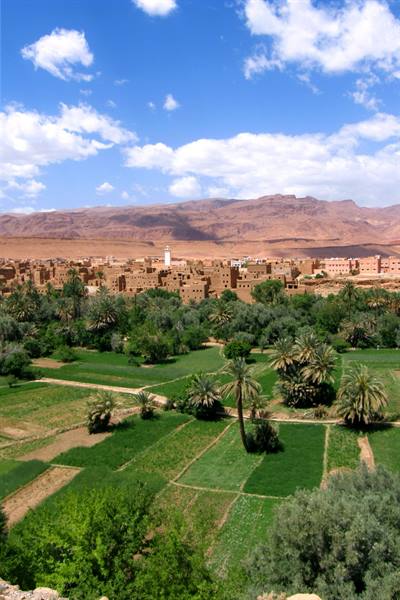
We pass through some villages and reach the city of Tinejdad to get onto the N10 road... I am in a bit of a hurry because it is getting late, so I push the pace slightly and fall into the trap of the Moroccan police who catches me, with a nice tele-laser, at 77 kilometers per hour where the limit was 60... I have to settle and pay the 300 Dirham fine, just like another Italian ahead of me. We resume grinding out kilometers (with a little more attention) and shortly after 14:00 we arrive at Tinghir, at the foot of harsh mountains. From there we take the road that leads to the famous Todra Gorges, with the ribbon of asphalt immediately beginning to climb, offering a fine view over the villages below and the vast palm grove that unites them.
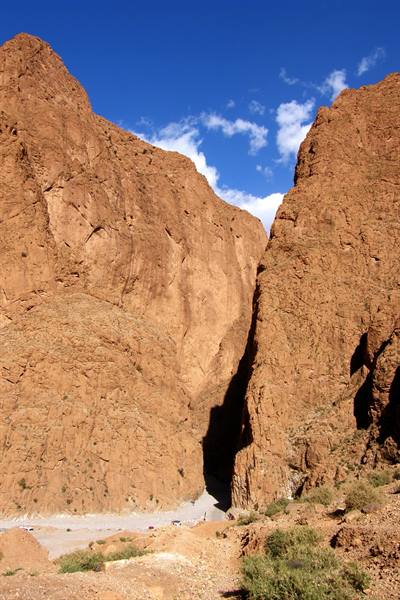
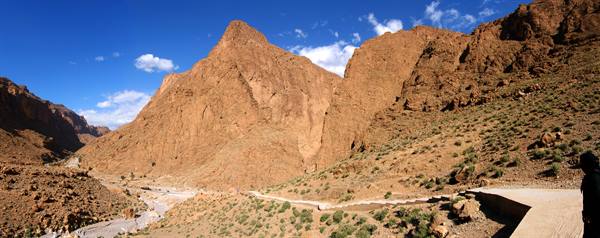
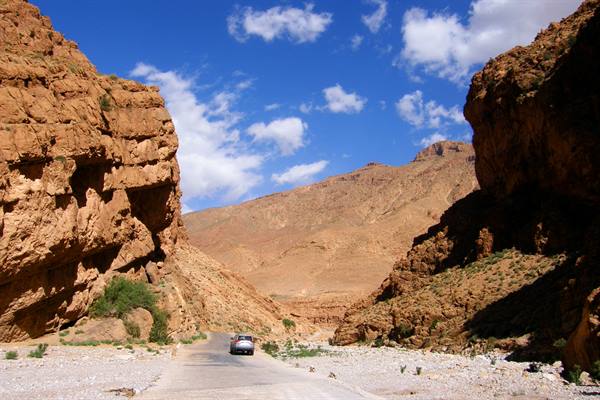
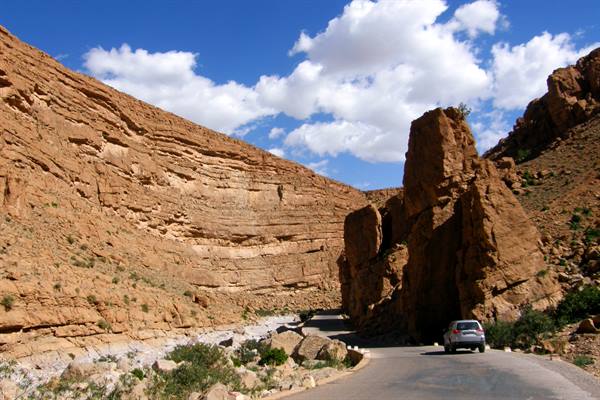
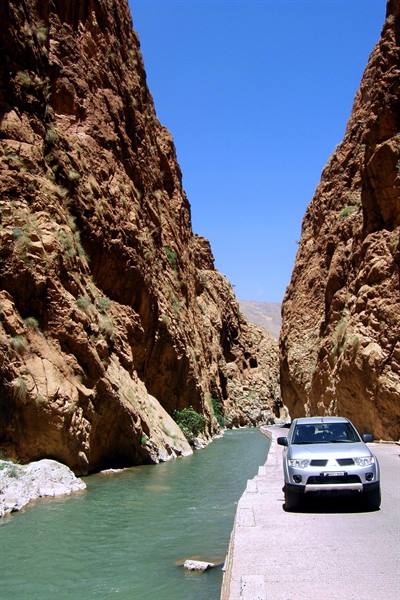
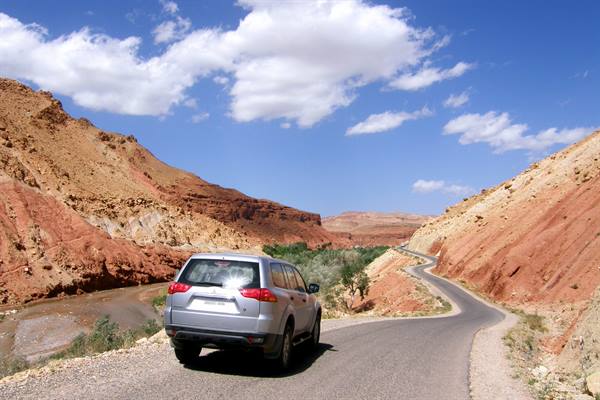
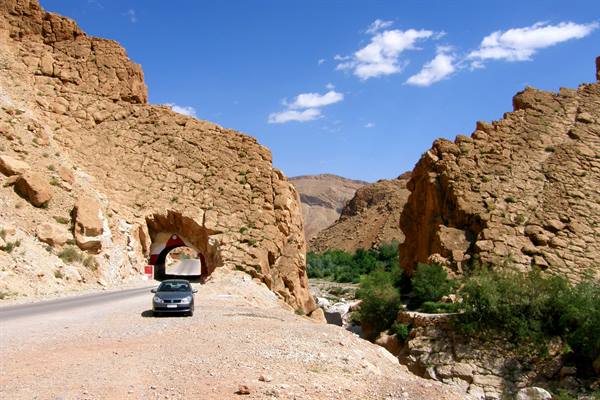
Then the valley suddenly narrows and we enter the most severe stretch of the gorges, with impressive rock walls, up to three hundred meters high, astonishing for their verticality and sometimes so close as to barely leave room for the narrow roadway and the bed of the dried-up river. Once past the narrowest point (truly breathtaking!) the gorges open up and the light can finally enter... too bad that in the meantime quite a few clouds have gathered. We travel a few kilometers and then stop at the roadside to have lunch, in the hope that meanwhile the sun will come back out. We are rewarded and the clouds clear as we resume climbing the Todra Gorges amid beautiful scenery, dominated by the warm tone of the rocks, in contrast with the intense blue of the sky...
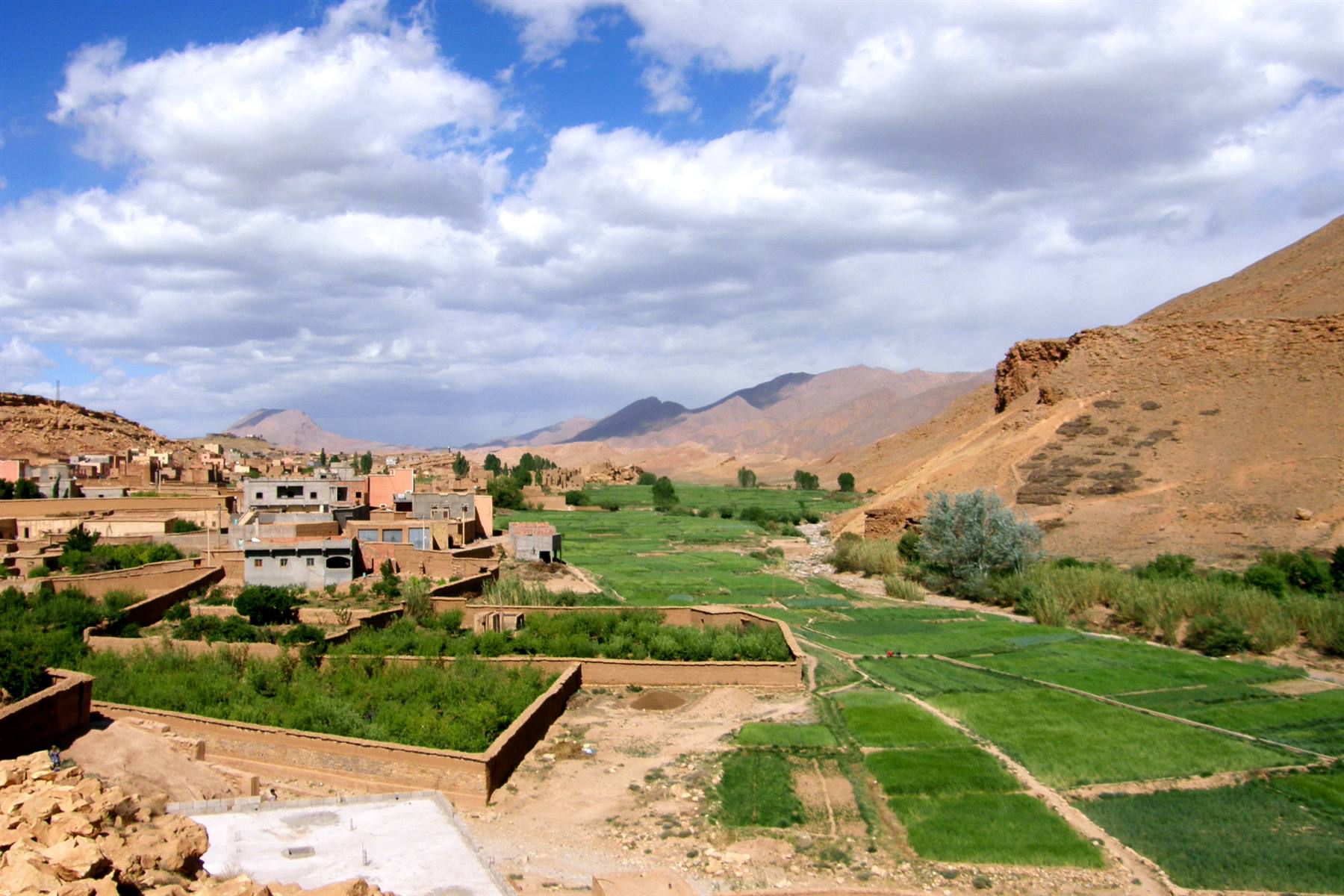
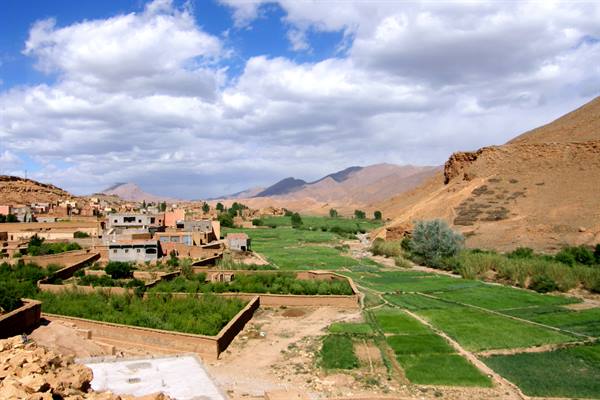
We thus arrive at the town of Tamtattouchte (36 kilometers from the start of the road at Tinghir): here the valley widens further, amid green bucolic landscapes and, after taking a few photos, we turn back. On the way back we allow ourselves numerous stops to savor the beauty of the place, then, abandoning the idea of visiting the Ikelane mosque near Tinghir, we cover the fifty kilometers that separate us from the city of Boumalne Dades. Now at the end of the day and after various ordeals due to crossing a ford (ultimately avoided), we reach the Kasbah La Perle du Dades, which will host us for the night... We have an excellent dinner and retire to our room to rest, awaiting another gripping stage of this Maghreb journey.
Dades Gorge - Msemrir
Day 725 Apr 2013
It is sweet to wake up in the Kasbah La Perle du Dades, truly refined in every detail, beautiful and welcoming. After breakfast we arrange our luggage on the trusty Pajero and, while in the distance, on the highest peaks of the mountains surrounding us, snow can be glimpsed, we set off to conquer the Dades Gorges, one of the most interesting valleys of southern Morocco. From Boumalne Dades we take a road from which we will then have to turn back and begin climbing the gorges, so after six kilometers, in the town of Ait-Moutad, we encounter the first place of some interest: the beautiful Kasbah of the Glaoui, in a good state of preservation, which we stop to photograph.
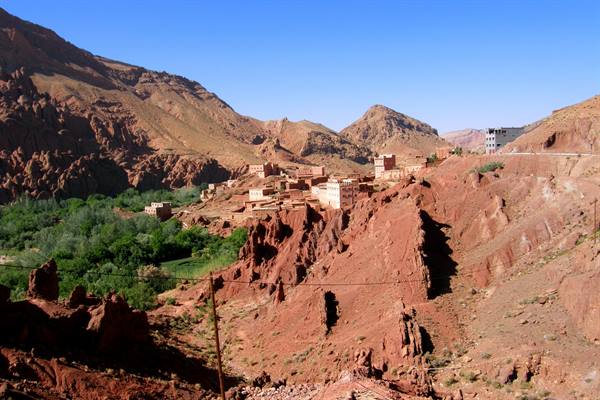
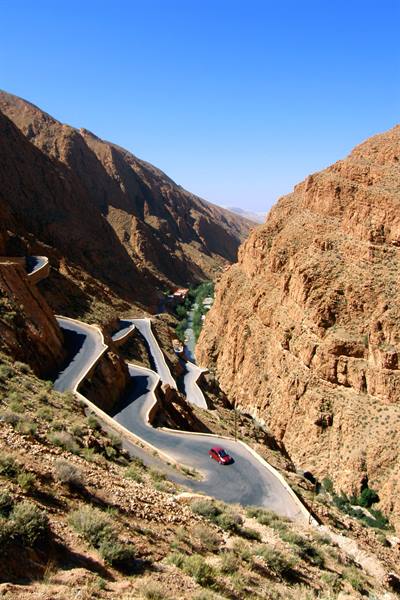
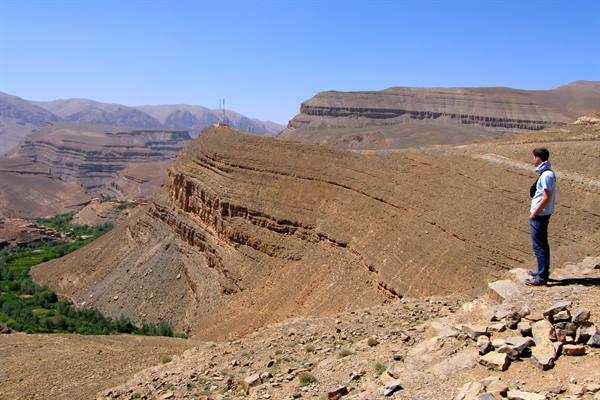
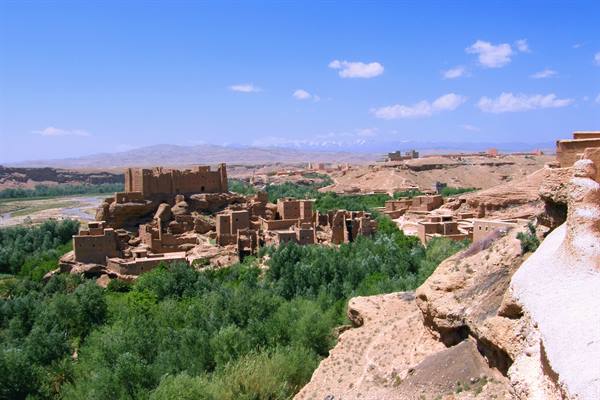
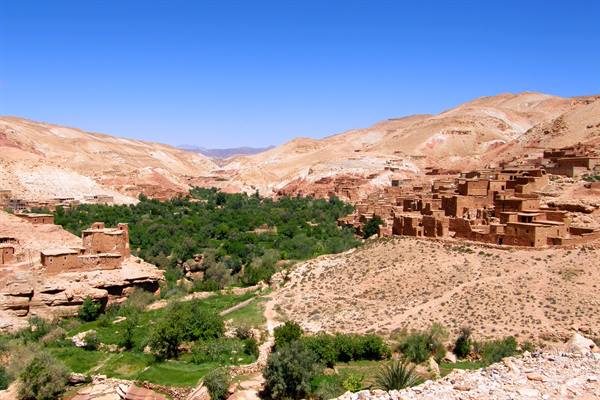
From there the road begins to climb and the landscape, increasingly harsh, in its thousand shades of reds and ochres contrasting with the very green valley floor and the intense blue of the sky, becomes ever more intriguing. At Tamlat the eastern side of the valley is characterized by fantastic rock formations rounded by erosion that has earned it the nickname "Valley of the monkey fingers" and further on, at Ait-Larbi, we cannot help but notice a superlative parade of kasbahs against the fascinating backdrop of the valley. After Ait-Larbi the gorge narrows and we reach its most evocative point, where the road climbs in very tight hairpin bends from the bottom to the top of a spectacular rocky chasm, then, further on, we venture into another very narrow passage, with the ribbon of asphalt wedging, along with the Dades river, into a hair-raising canyon.
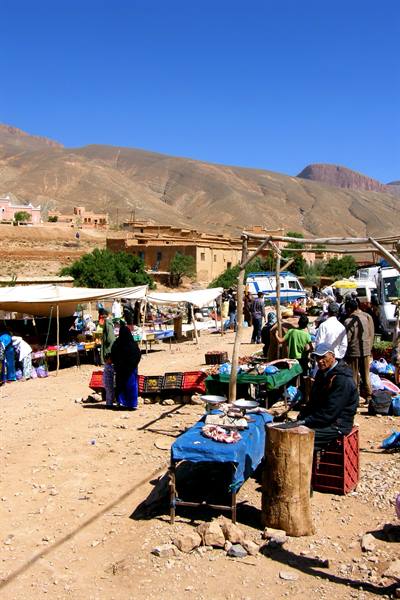
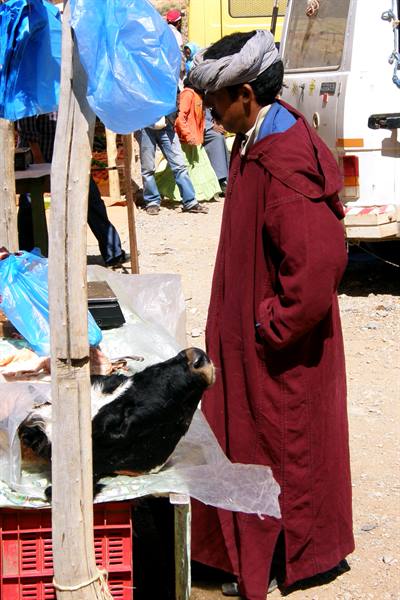
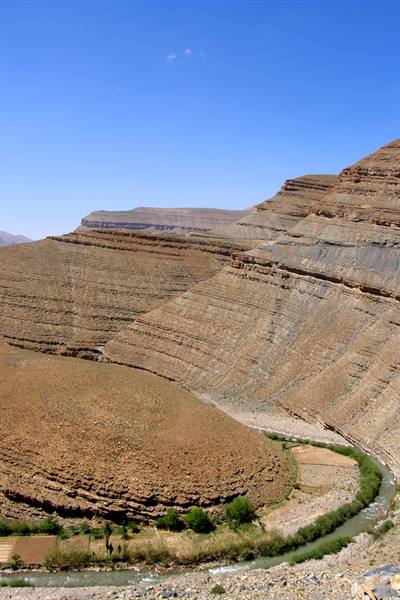
In this way we also gain the village of Imdiazen, where a traditional market is taking place (very spartan), so we stop for a short walk among the stalls, during which we learn numerous aspects of the daily life of these people and take the opportunity to buy a nice bag of fresh fava beans to enjoy at lunch. Back in the car we reach the town of Tighadouine, from where the road resumes climbing considerably. We thus travel another spectacular stretch, flanked by severe mountains carved by deep striations, but also by dizzying ravines, at the bottom of which flows the river with its sinuous bends, among which stands out the curious one known as the "Dades Turtle". In the late morning we make our entrance into the village of Msemrir, 64 kilometers from the start of the valley and at 2,020 meters of altitude. There the paved road ends and one could continue only on track.
We reverse course and return, without haste, enjoying the fantastic landscape of the Dades Gorges, to Boumalne, when noon has already passed by almost an hour. We then continue following the Dades valley, which from here becomes much gentler, and in a short time we arrive in the town of El-Kelaa M'Gouna, the main center of the region known for rose cultivation. The numerous shops selling any derivative of this flower bear witness to it. From El-Kelaa we then again head toward the mountains to go up the so-called Valley of the Roses. We travel its first stretch, uphill, and at the panoramic terrace over the Kasbah Mirna, scenically located on a rocky spur at the edge of the river, we stop to have lunch.
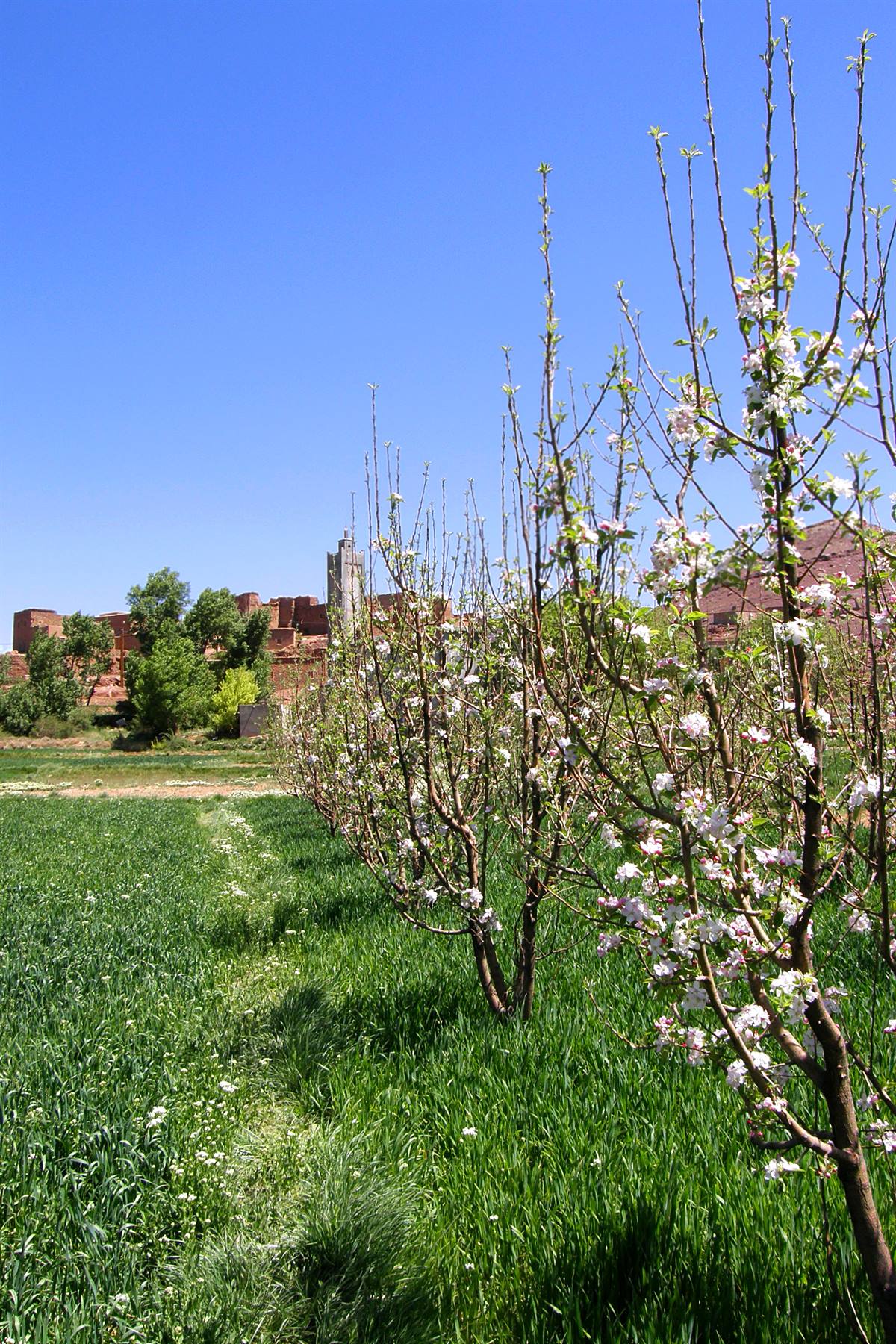
Shortly afterward we engage in exploring the valley and follow the road that goes into it for over twenty kilometers, along which alternate scenes of rocks and very green fields cultivated along the watercourse that springs from it... All very beautiful... too bad that in the Valley of the Roses what is missing are precisely the roses! And to think we are in the right season... but apart from a few rare bushes of the flower in question, not a trace, and perhaps, as our guide also says, rather than Valley of the Roses this is the Pink Valley, because of the color of the rocks that characterize it... Anyway, no harm done, because the detour amply deserved the time we chose to dedicate to it. Back in El-Kelaa and having resumed the Dades Valley we then encounter some plantations, but nothing exciting compared to expectations.
In the town of Imassine, despite our efforts, we fail to identify the kasbah of the same name, then at Skoura, after various attempts we find the Kasbah Amridil, one of the best known in the country, since it is depicted on the old fifty-Dirham banknotes, with the effigy of Hassan II, but its beautiful facade is all in the shadow of the late afternoon, so we console ourselves with an interesting visit of the interiors. At this point, of a largely positive day for the beauty and evocativeness offered by the places visited, all that remains is to cover the thirty kilometers of excellent road that separate us from the city of Ouarzazate, small economic (but not historic) capital of the great Moroccan south, and from the Hotel Azoul, which will host us in transit toward the exotic Draa Valley and the northernmost offshoots of the boundless Sahara desert.
Draa Valley - Kasbah Timiderte
Day 826 Apr 2013
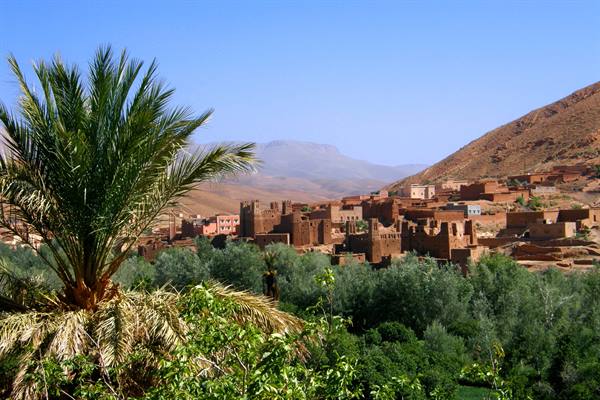
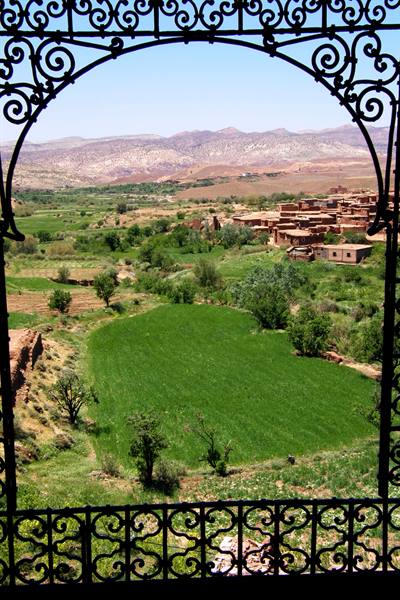
We are halfway through the journey, which so far has satisfied us from every point of view. Today we are headed to the remote village of M'Hamid, at what will be the southernmost point of the itinerary. We leave shortly after 8:00, from Ouarzazate, and once we have covered a few dozen kilometers the road begins to climb, passing amid intriguing panoramas over the Tizi-n-Tinififft Pass, at 1,600 meters of altitude, then descending toward the town of Agdz, in the Draa Valley, the longest river in Morocco, which gives life to a lush oasis before vanishing into the sands of the desert. Just after Agdz we make a small detour to the left, crossing the wadi, to go and visit the Ksar Tamnougalt, ancient capital of the Merguita region.
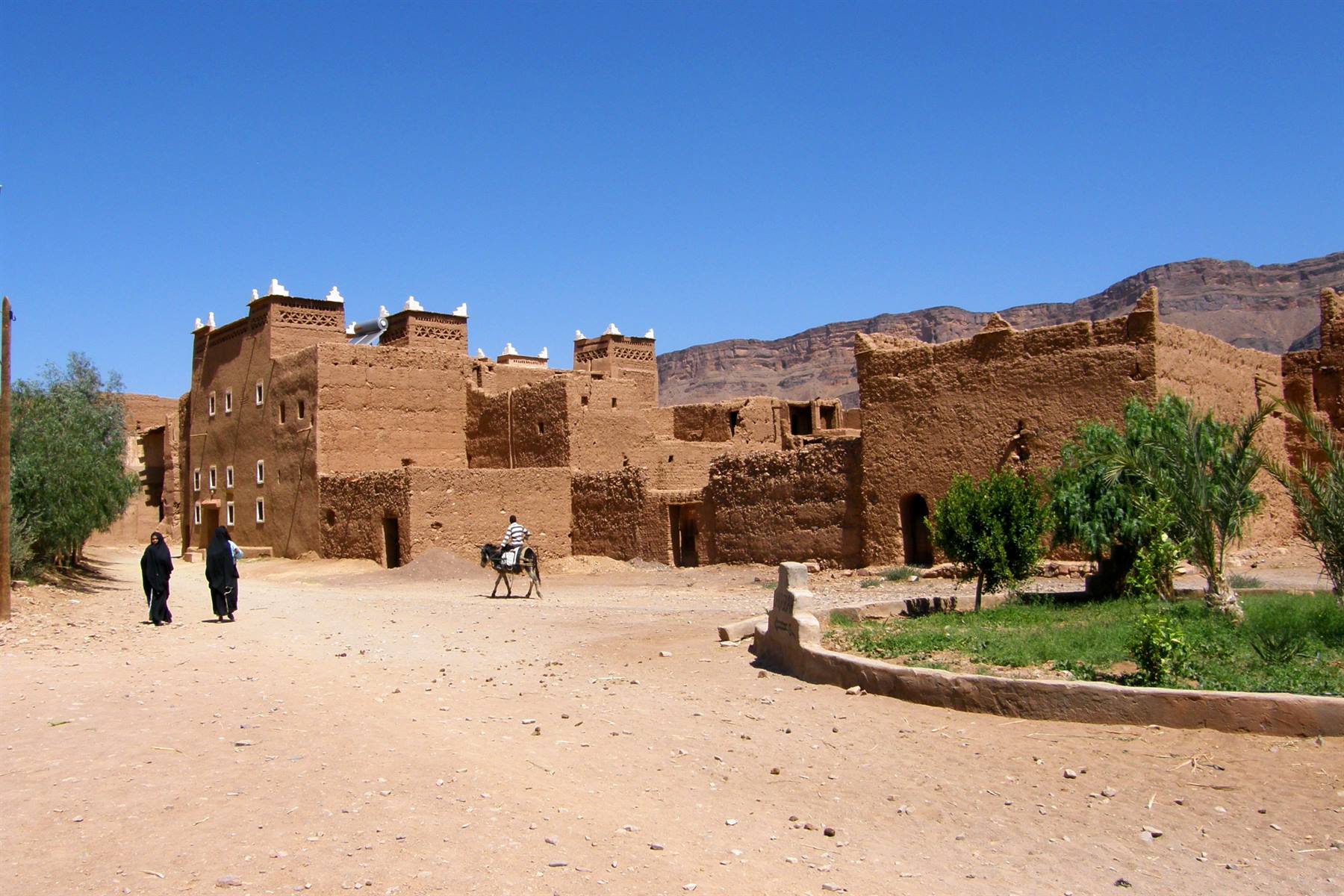
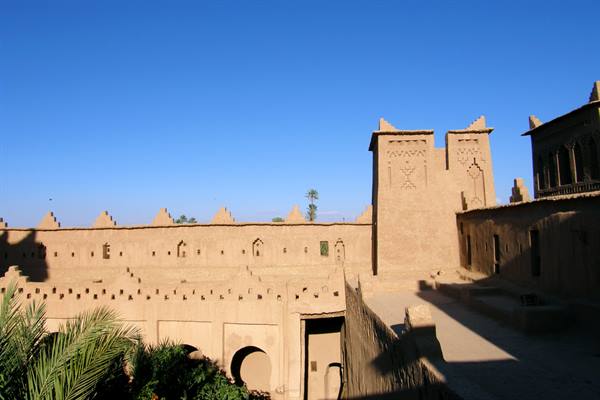
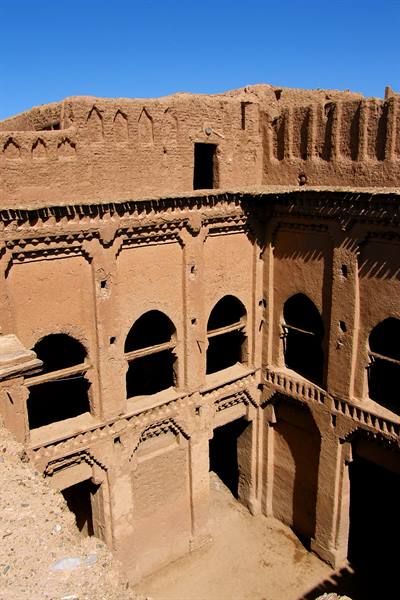
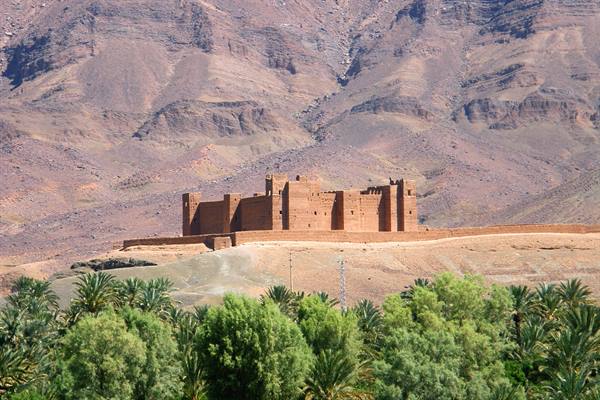
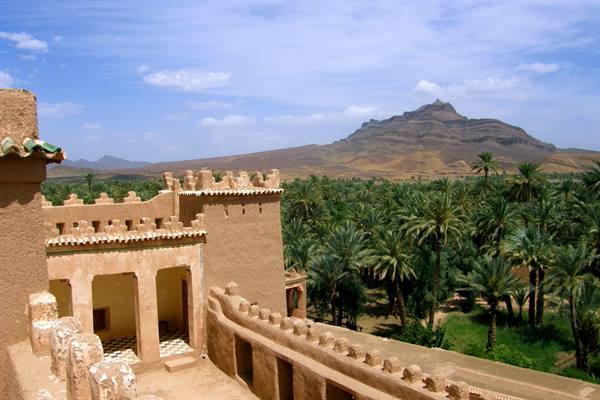
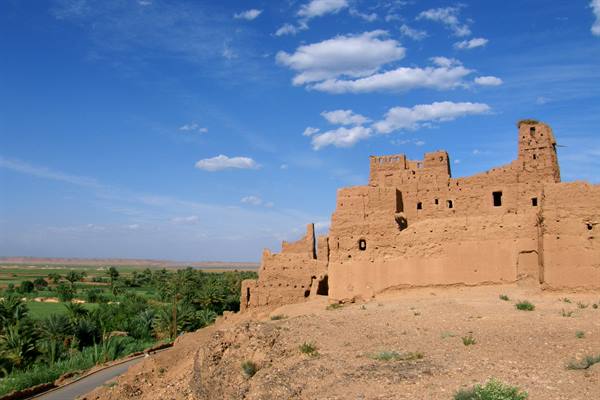
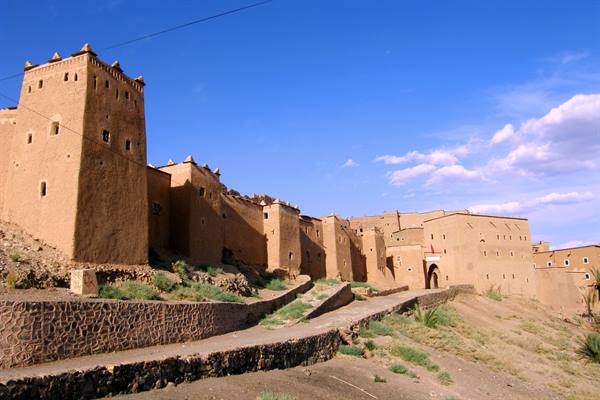
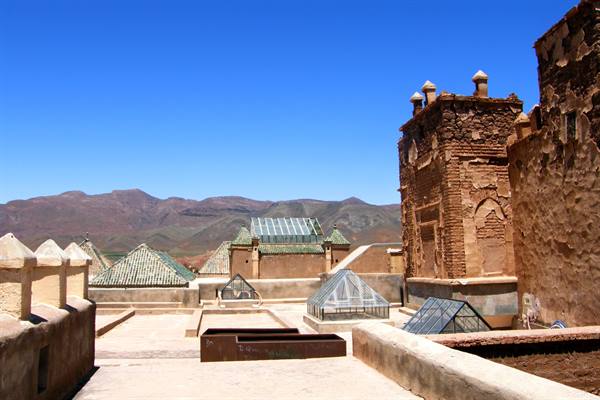
We explore the old fortified village, dating back to the 16th century, in the company of a local guide who leads us to discover its most secret corners, in a labyrinth of alleys and courtyards, right into a kasbah still inhabited and then onto the roof, to observe the chaos of pisé walls standing out against the lush surrounding oasis and the red mountains around. Truly evocative is the walk among the mud bricks of the Ksar Tamnougalt, which is one of the most important examples of Moroccan architecture of the era and would deserve a bit more attention to prevent it from falling into total ruin. Completing the picture, nearby, is a fine fort that dominates the area from the top of a hill... the ideal cherry on top of a magnificent experience.
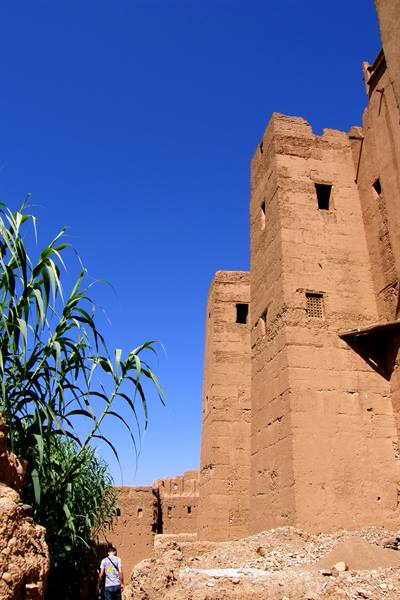
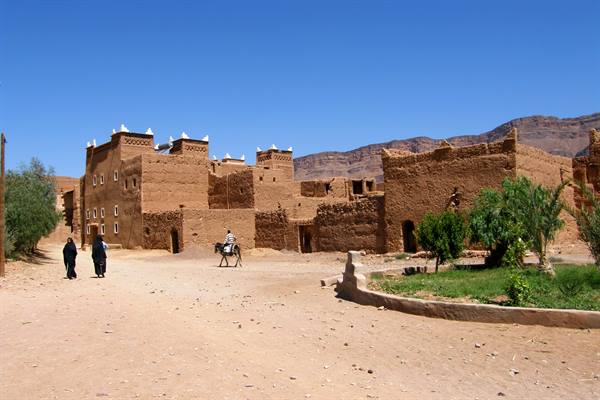
Back on the main road (N9) we return to following the Draa Valley, characterized by extensive palm groves along the course of the river and harsh mountains on the sides, but also dotted with ksar and numerous kasbahs. We stop to photograph the beautiful Kasbah Timiderte, but also the imposing one of the Ouled Othmane, located right at the edge of the roadway. Further on we reach the great Ksar Tissergate, built in the 13th century and still inhabited by numerous families. We stop to admire the stunning perimeter wall, in excellent state of preservation and characterized by scenic towers decorated with Berber symbols, but also to visit, inside, an interesting kasbah used as a museum of local arts and traditions.
In the late morning we make our entrance into the city of Zagora, founded during the French colonial period as an administrative outpost toward the boundless Saharan region, indeed its most famous tourist attraction is a road sign (now restored and repositioned) that reads "Timbouctou 52 jours"... by camel, naturally. We avoid climbing to Jebel Zagora, a rocky peak that dominates the town from which one could admire a fine panorama... if the landscape were not invaded by today's dense haze. We continue south passing through the village of Tamegroute (known for a Koranic school and for its green ceramics, displayed along the road). We leave the modest Tinfou Dunes on our left and shortly afterward we stop in the shade, at the roadside, to have lunch.
Just the time strictly needed to eat our sandwiches and then we resume grinding out kilometers, so after passing a small pass dotted with enormous signs warning about entering the desert zone, we arrive as planned, around 14:00, in the remote town of M'Hamid, considered the Moroccan gateway to the Sahara desert. (Here too, as in Merzouga, the Algerian border is a few dozen kilometers away, but there is no road that reaches it). We are looking for the agency "Biouvac sous les etoiles", with which we long ago booked a night in the desert, at the foot of the dunes of the Erg Chegaga and, as soon as we ask for directions, we find it in the square... or rather, at the main crossroads of the village.
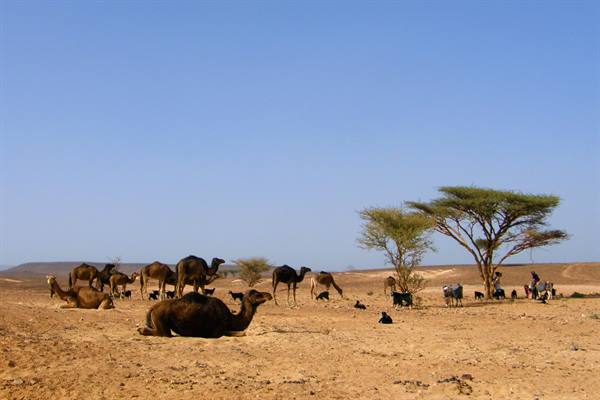
Having parked the car in the courtyard of a house and made the acquaintance of our Berber driver, a few minutes before 15:00 we set off aboard a pick-up, in the company of an improvised passenger who rides in the truck bed along with the suitcases. We stop to stock up on drinking water and shortly afterward we leave the asphalt behind. We travel sandy and dusty tracks. We pass where there is a well in the most total desolation, then by a small oasis inhabited by a few not-too-sociable families. At a certain point our temporary travel companion gets off and walks, apparently, toward nothingness, while we continue toward the dunes that by now can be glimpsed in the distance. We cross a singular grassland where herds of semi-wild dromedaries graze and after two hours of travel we reach the tented camp of the "Biouvac sous les etoiles".
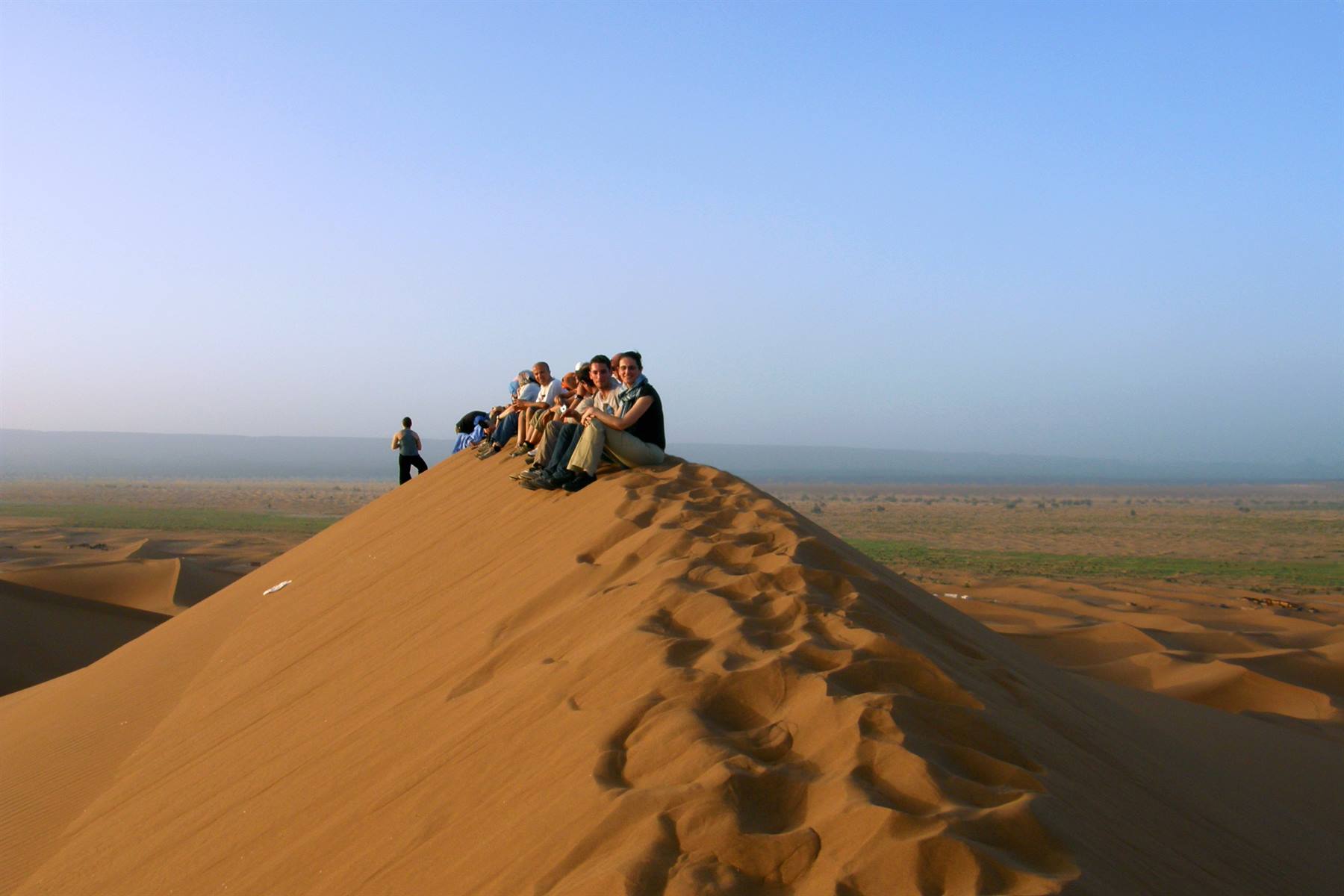
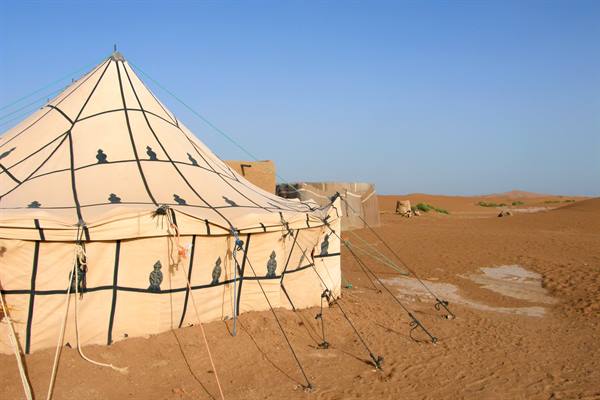
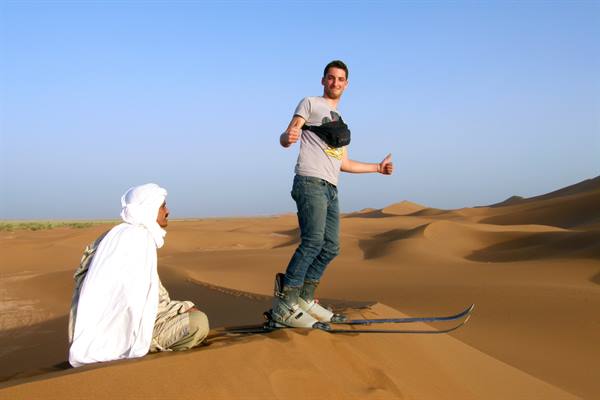
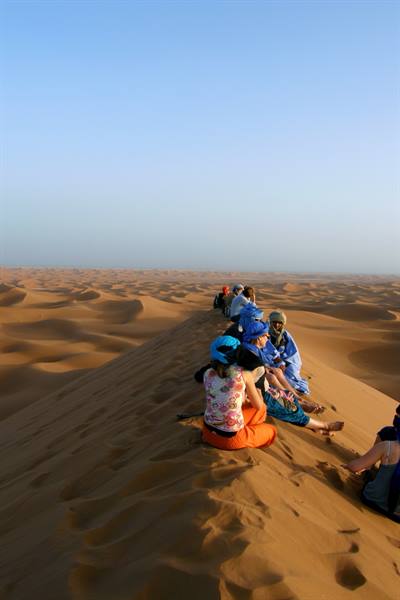
First of all we take our luggage to the unusual room that will host us for this night, then they offer us a welcome tea... in this way the time comes to go and conquer the Erg Chegaga, the largest sandy desert of Morocco, over forty kilometers long and with dunes up to three hundred meters high. Our driver takes us to the base of the highest sand mountains and there, Federico and I, experience the thrill of a short descent down a dune with skis on our feet... this was really all we needed! We then climb on foot to the highest point: an effort repaid by the wonderful view one enjoys from up there... We wait, in the company of other tourists, and in reverent silence, for the arrival of sunset and when the red-hot ball disappears below the horizon line we descend from the dunes and return to the camp, fully satisfied with the adventure we have lived.
Later we have a good dinner under the stars and conclude an unforgettable day around the fire, entertained by Berber songs.
Erg Chegaga
Day 927 Apr 2013
The wake-up at the camp of the "Biouvac sous les etoiles", at the foot of the dunes of the Erg Chegaga, has a very particular flavor... In a muffled silence we have breakfast under the Berber tent and then load our luggage onto the pick-up to return to M'Hamid. Not passing through the oasis and following a more direct track it takes us only an hour and a half, so already before 10:00, having settled the bill at the agency, we are aboard our faithful Mitsubishi Pajero headed for Ouarzazate. Indeed today will be a somewhat transitional day, having to retrace the entire Draa Valley (over 250 kilometers), already traveled yesterday... The haze is also always thick and today too we will avoid climbing to Jebel Zagora. In the town of Agdz, however, we stop to see the beautiful two-hundred-year-old kasbah of the Cadi Ali, which we had skipped.
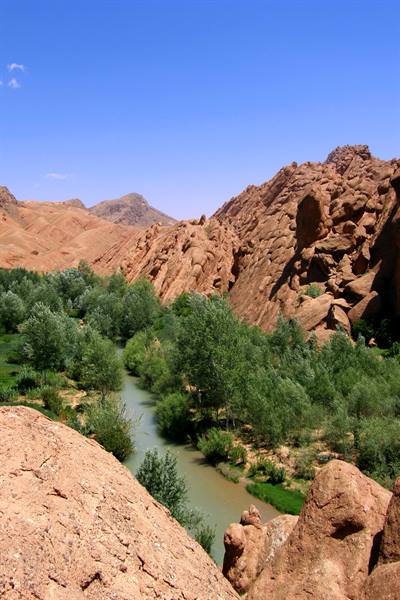
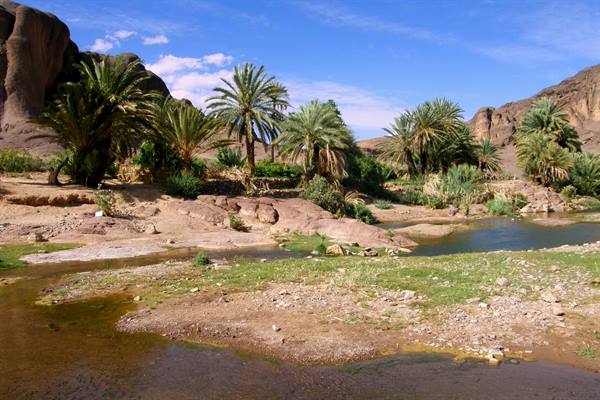
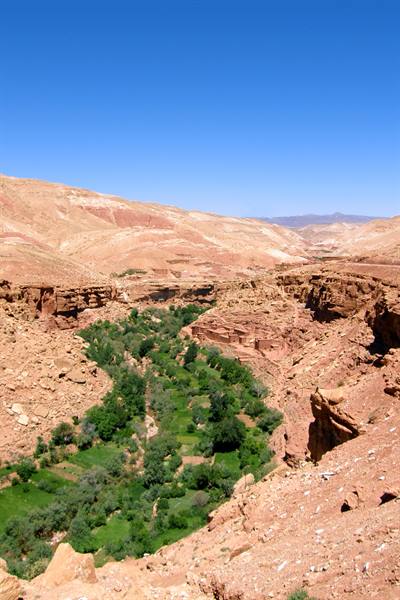
We thus make an interesting guided visit of almost an hour among the evocative rooms of the building, recently restored with the help of groups of foreign students, up to the roof, from which there is a magnificent view over the oasis and the surrounding mountains. When hostilities with the ribbon of asphalt resume we stop to have lunch along the route, then, having again crossed the Tizi-n-Tinififft Pass, shortly after 15:00, we arrive in sight of Ouarzazate, but we do not head toward the city center, instead we take the road that leads to the Fint Oasis. The first stretch, paved, crosses a semi-abandoned housing development, then the road becomes dirt and after about ten kilometers of track, across an arid plateau, we descend into a green valley, which we would never have expected to encounter... not for nothing does Fint, in the Berber language, mean hidden.
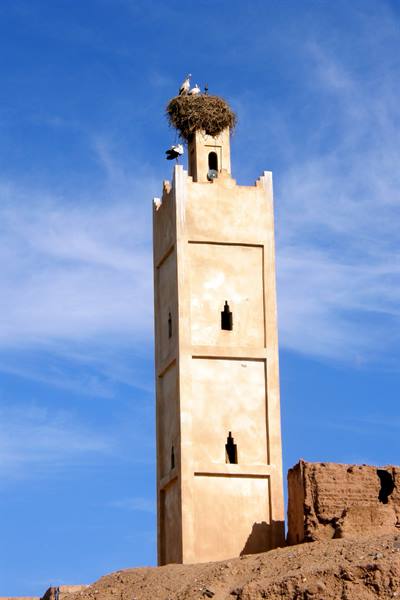
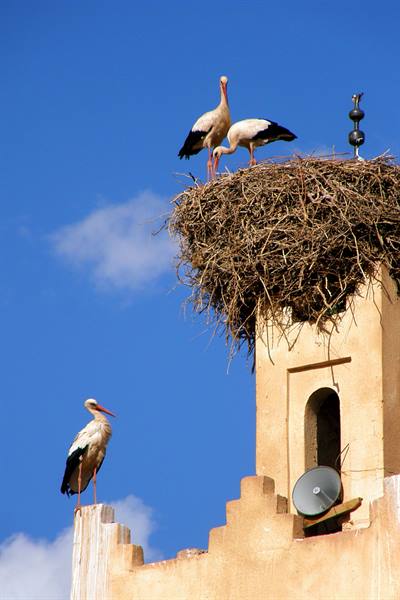
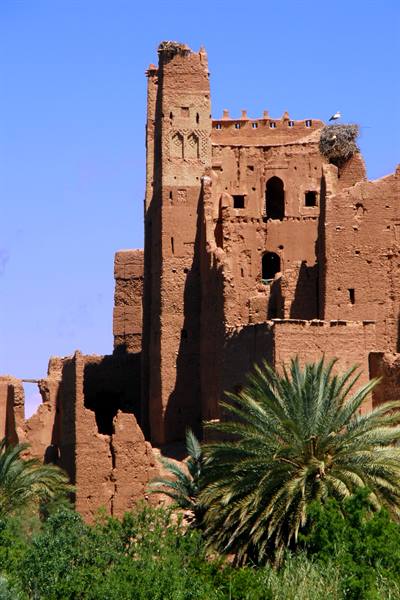
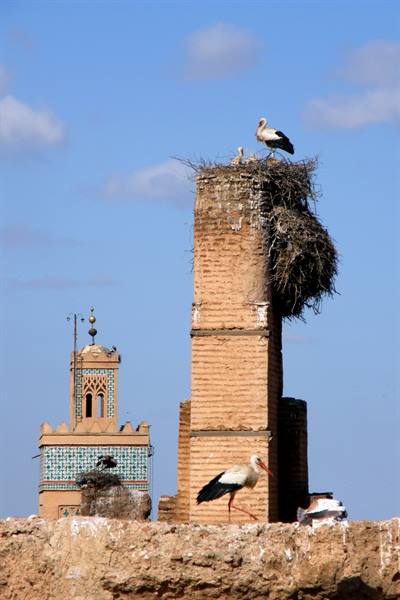
We cross the wadi and find ourselves immersed in an idyllic landscape, so perfect as to seem like a film set: groves of palms and lush bushes scattered along the bed of a placid river, which flows at the base of enormous rocky ridges smoothed, over time, by the elements... We take, with satisfaction, all the photos of the case, then we retrace our steps and leave the Fint Oasis, a "gem" that truly deserved the time dedicated to it. Before making our entrance into Ouarzazate we also go to the outskirts of the town to see the dilapidated Kasbah Tamelsa, located on a small height at the edge of lush cultivated fields. On the crumbling construction some storks nest, making the place very evocative, but other birds of the same species have colonized a nearby minaret, making it particularly photogenic and characteristic.
Toward 17:00 we finally conquer the center of Ouarzazate and immediately go to visit, before it closes its doors, the great Kasbah Taourit. Founded in the 17th century and rebuilt by the Glaoui tribe at the end of the 19th century, the Kasbah Taourit is surely the most important historic building in the city, partly restored to its former splendor thanks to funds made available by UNESCO. We explore it accompanied by a local guide, who helps us navigate the intricate labyrinth of rooms, stairs and courtyards, and then also escorts us on a brief visit of the old city, covered with memories of cinema. Ouarzazate, in fact, is a little Hollywood because several successful films have been shot in the surroundings or in its "Studios", which however we will avoid exploring.
After a good hour strolling through the most interesting areas of the city we go in search of the Riad Ouarzazate, which will host us for this night... We find it without problems and within its walls we conclude a day that on paper was not supposed to be particularly special, but that in reality was, all in all, pleasant.
Ait-Benhaddou
Day 1028 Apr 2013
A sleepless night, the one just passed: in the neighborhood of the Riad Ouarzazate a wedding was being celebrated and there was music at full volume until 5:00 in the morning... then it stopped, but shortly afterward the sunlight began to filter into the room and around 7:00, as usual, the alarm went off... no big deal... we'll catch up! An hour later we are already seated in the car headed north, with the intention of crossing the Atlas and reaching the city of Marrakech. Just outside Ouarzazate we stop to take a look also at the Kasbah Tifoultoute (dating back to the 17th century), which however is nothing exceptional, and on setting off, along a straight stretch of the main road, now outside the town center, but within the zone with a 60 kilometers per hour limit, we get our second tele-laser fine at 77 per hour...
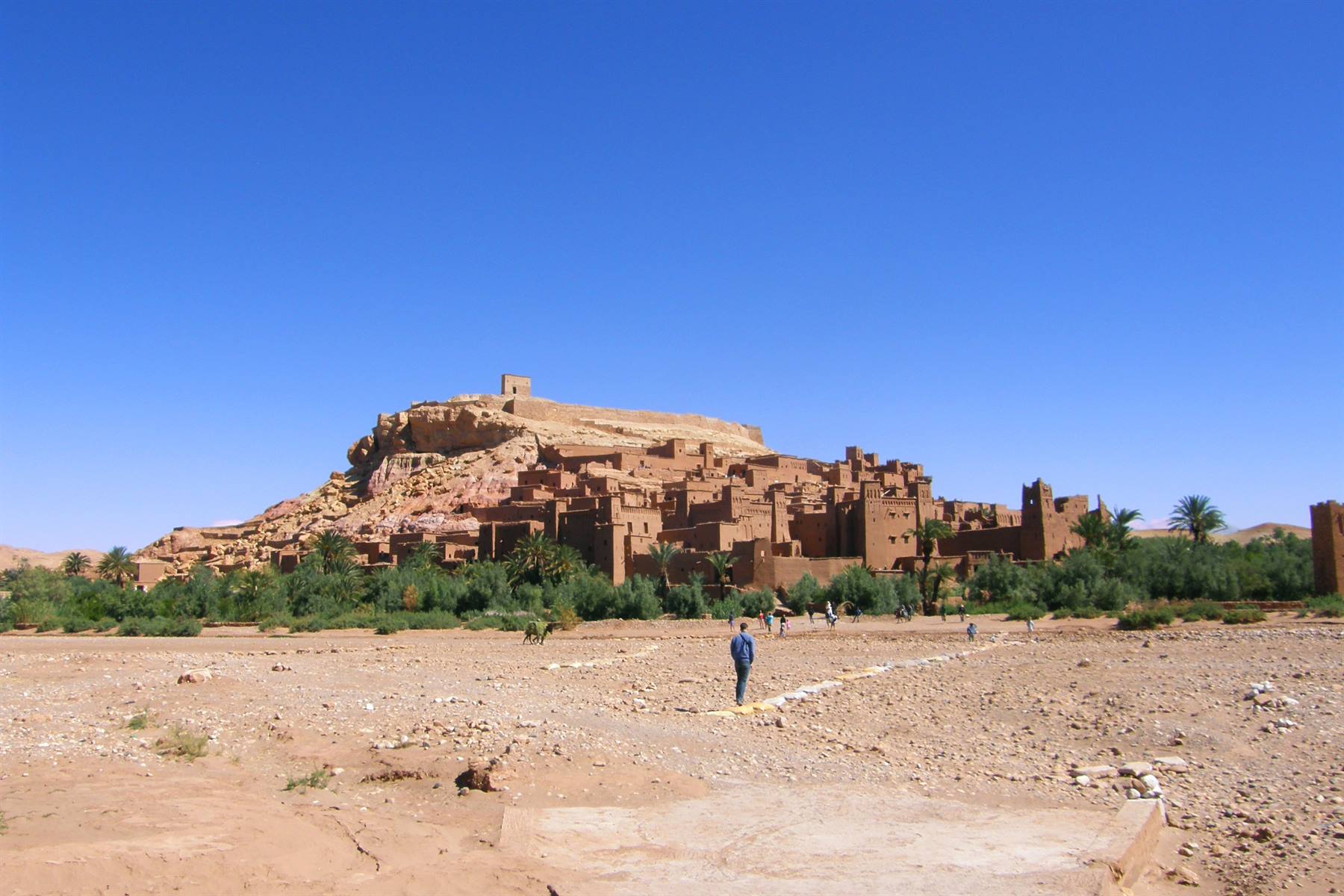
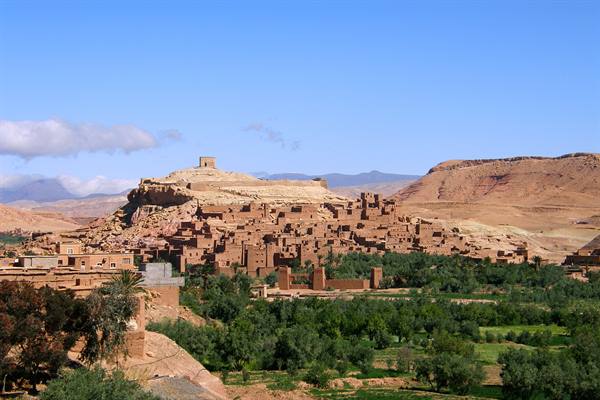
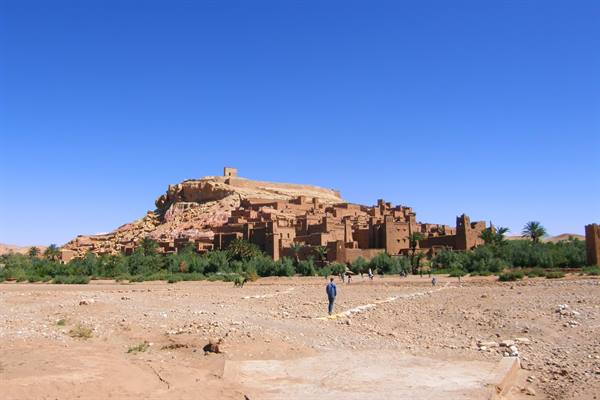
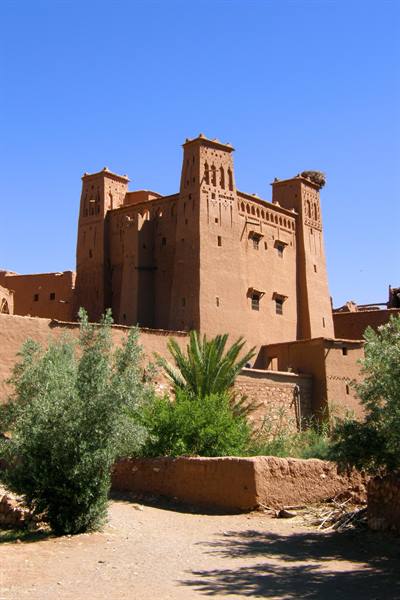
300 Dirham, reduced to 200 by the "kind" concession of the policeman, who turned the speeding violation into a citation for driving without a seatbelt... So I also had to say, through gritted teeth, a painful thank you and then greet him cordially... After about ten kilometers we leave the N9 road and turn right following the signs for Ait-Benhaddou, the most celebrated ksar in all of Morocco, also declared a UNESCO World Heritage Site in 1987. The founding of the village is uncertain and seems to date back to a period between the 8th and 12th centuries, but the current buildings were mostly constructed in the 19th century and, despite restorations, are still largely in ruins.
The place then, for its characteristics, was chosen as a set for shooting some highly successful films such as "Lawrence of Arabia", "The Jewel of the Nile", "Tea in the Desert", "The Mummy", "Gladiator" and many others. Once in sight of the cliff on which Ait-Benhaddou stands we stop at a sort of panoramic terrace along the road to photograph it and thus we also take the opportunity to cover up because, incredible but true, out of step with the calendar and despite the sun shining, today it is very cold... Having descended further down, shortly afterward, we park the car and on foot set off for a closer visit. We cross the almost dry river walking on sandbags and arrive before one of the gates of the village...
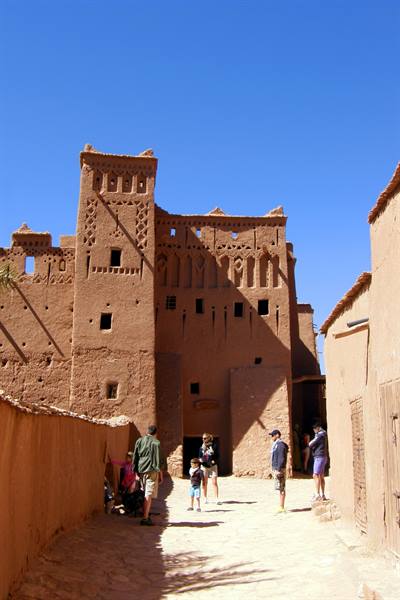
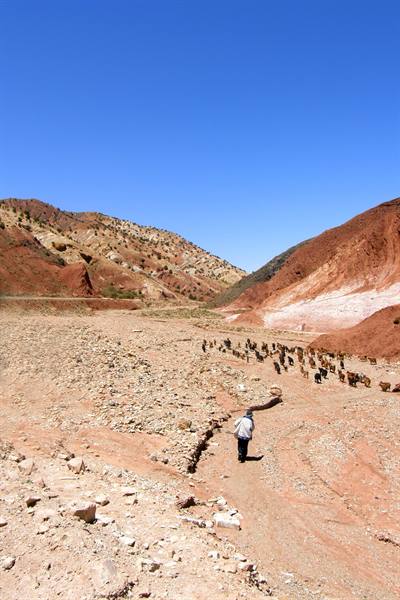
Among the old pisé walls of the ksar about ten families still live today, so we pay a small donation to one of them and, having crossed the entrance, we begin exploring Ait-Benhaddou. We wander along the characteristic streets of the village, in search of corners to immortalize, but we do not reach the top of the hill, partly because at this hour, from up there, the view would be against the light, and partly because this morning Sabrina is not feeling well and soon gives up in the face of the stairways. Back at the car we resume the road. However, we do not head toward the main one for Marrakech, but continue on this (secondary) one, which follows the course of the Ounila river and which until recently, further on, became a rather impervious mountain track, but which now, according to information in my possession, has been paved.
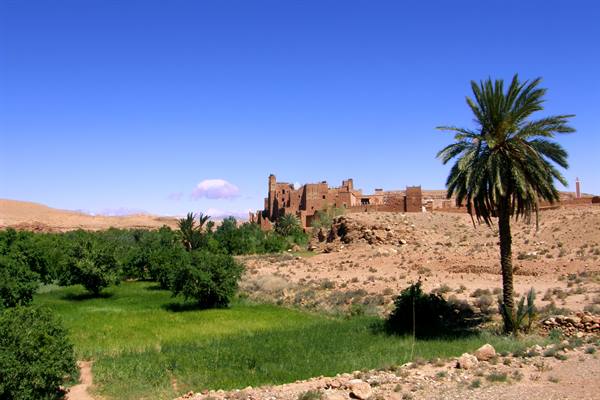
After very few kilometers we encounter the beautiful Kasbah Tamdaght, built on a rocky ridge dominating a bucolic and very green landscape, which was the set of the third edition of the reality show "La Fattoria", broadcast by Canale 5. We then venture into the heart of the Vallee du Ounila, where the road is indeed in excellent condition and at every curve offers a different view and spectacle: thick vegetation covers the base of the small canyon giving the idea of a green river in flood, while the banks, dotted with modest villages, are bordered by rocks of warm, magnificent colors. Having reached the town of Anemiter we leave the Vallee du Ounila and begin to climb rapidly in altitude, while the ribbon of asphalt becomes more uneven, but still passable even with a touring car.
We thus arrive in the village of Telouet, once an important stop along the caravan route, and there we stop to visit the large kasbah of the same name, which was, until the mid-20th century, the residence of the powerful Glaoui dynasty. Today it is largely in ruins, but one wing of the palace is still usable and preserves, among other things, some magnificently decorated rooms, which Federico and I briefly explore, while Sabrina waits for us in the car because she is feeling worse and worse. After Telouet we tackle a series of narrow hairpin bends that climb dizzily along the southern slope of the Atlas, while the landscape gradually changes appearance and becomes ever less arid, then we merge onto the main road coming from Ouarzazate and shortly afterward we enter a bank of clouds.
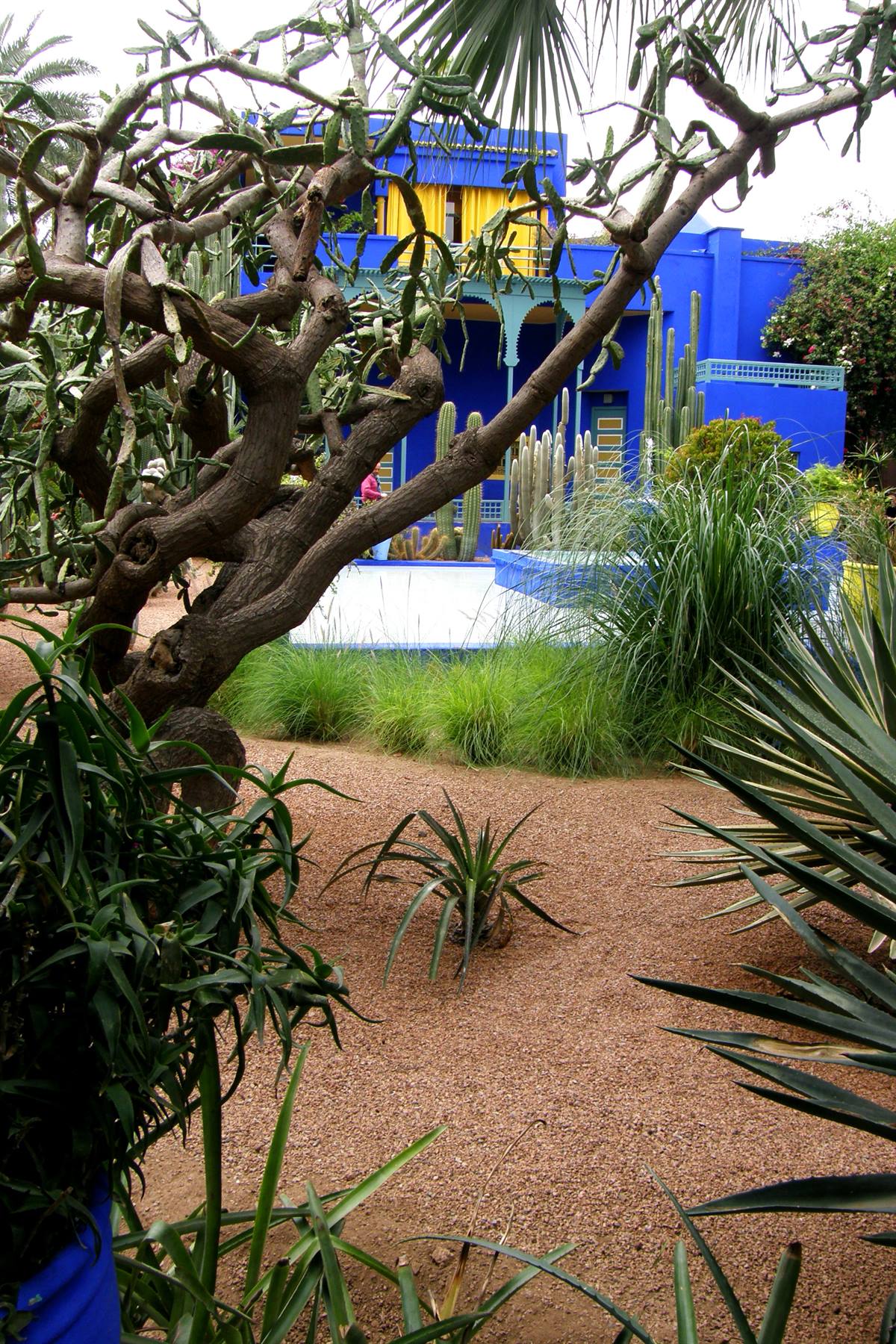
We thus cross the Tizi-n-Tichka Pass, the roof of our journey, at 2,260 meters of altitude, in an autumnal climate. On the other side of the pass the landscape is green and lush, but the supposed bank of clouds was only the tip of the iceberg, indeed the sky is completely gray and solid... too bad, because there would have been beautiful panoramas. As we descend in altitude the weather conditions, instead of improving, worsen further and it also begins to rain quite steadily... then it stops, but the sky remains gloomy. We make a quick stop for lunch and then off we go, toward Marrakech, where we arrive a handful of minutes after 15:00. At this hour it is not advisable to head toward the center in search of our riad, so we take the opportunity to go and visit, outside the walls of the medina, the original Majorelle Gardens.
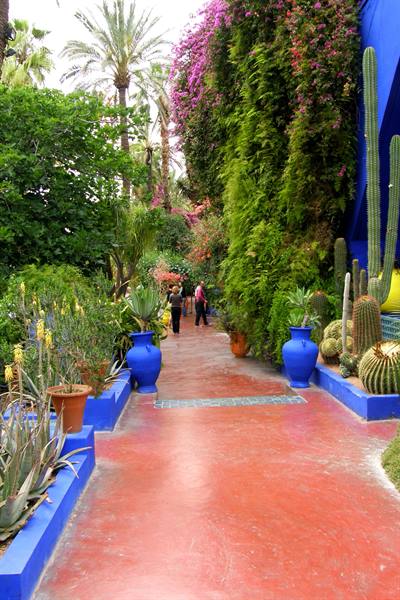
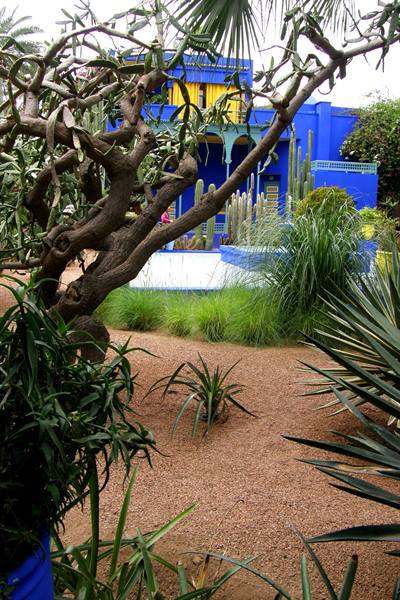
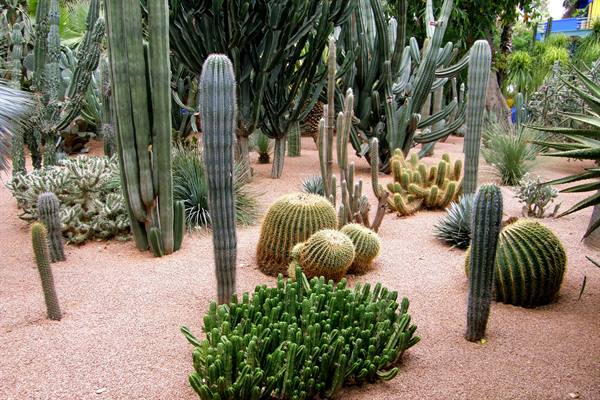
Sabrina also accompanies us, albeit limping, in exploring the garden that was the atelier of the painter Jacques Majorelle. The artist made it such a special place that upon his death the stylist Yves Saint-Laurent fell in love with it, bought it, restored it and in turn made it his residence in Morocco... The great fashion designer, who passed
Marrakech - Majorelle Gardens
Day 1129 Apr 2013
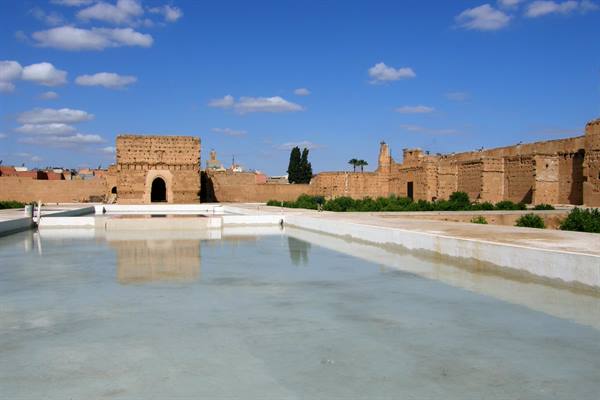
A day entirely dedicated to exploring Marrakech, an urban agglomeration of almost a million inhabitants, the fourth imperial city in the series, but certainly not the last in order of importance, indeed the most famous and touristic, with its medina rich in historical monuments, declared a UNESCO World Heritage Site since 1985. The sun has come back out and Sabrina seems to have recovered sufficiently, so she'll be joining us. In this way the sightseeing programme begins under the best auspices. After breakfast we leave the Monriad (a really nice riad) and on foot head towards the area of Marrakech's historic palaces. First of all we go to see the Palais el-Badi... or what remains of it.
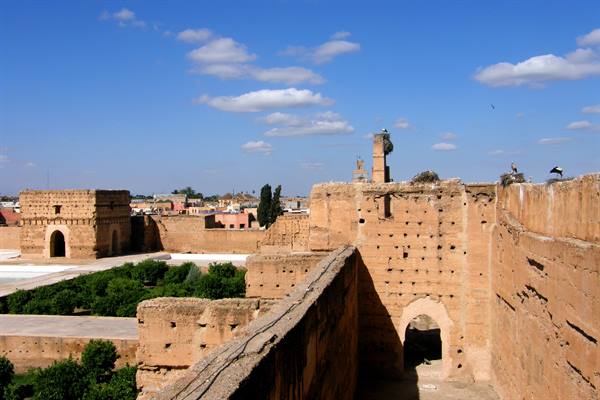
Built by the Saadian king Ahmed el-Mansour towards the end of the sixteenth century and considered at the time one of the most beautiful palaces in the world, it was practically razed to the ground less than a hundred years later by the sultan Moulay Ismail, belonging to another dynasty, to recover its precious materials and build himself, in turn, another palace in the new capital Meknes... The scant ruins, with a vast central basin, are nonetheless fascinating, especially for the numerous storks that populate the colossal perimeter wall, and certainly deserve a quick visit.
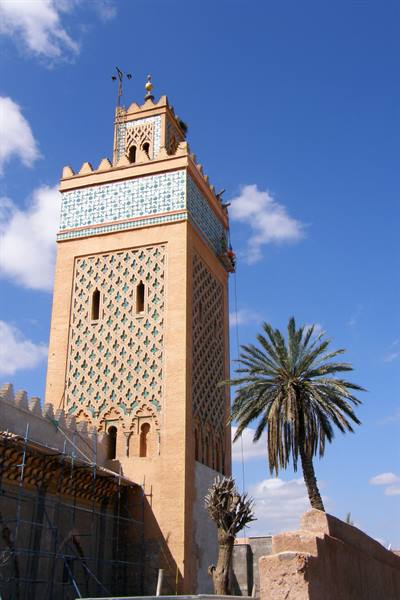
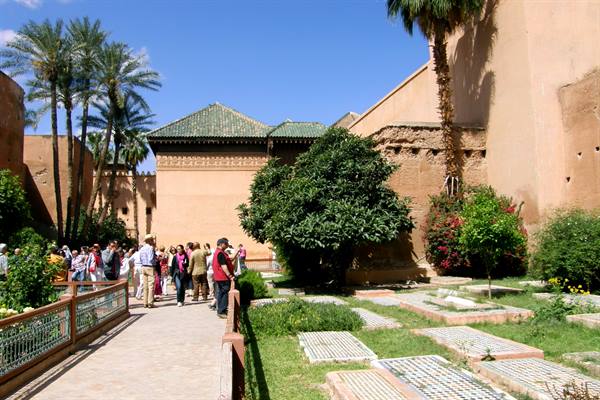
Leaving the Palais el-Badi we go to the nearby el-Mansour Mosque, dating back to the twelfth century but rebuilt in the seventeenth century, which has a beautiful minaret decorated with arabesques and is one of the most important in the city, but as non-Muslims, as usual, we must settle for admiring only the exterior. Beside the mosque, however, we can visit the so-called Saadian Tombs, by this time already invaded by a horde of tourists (ourselves included). The garden-mausoleum houses, in three magnificently decorated halls (koubba) and some outdoor spaces, the tombs of the Saadian dynasty, which characterised a historical period of the country, including that of Ahmed el-Mansour, and would be very evocative if not for the aforementioned horde of holidaymakers (ourselves included).
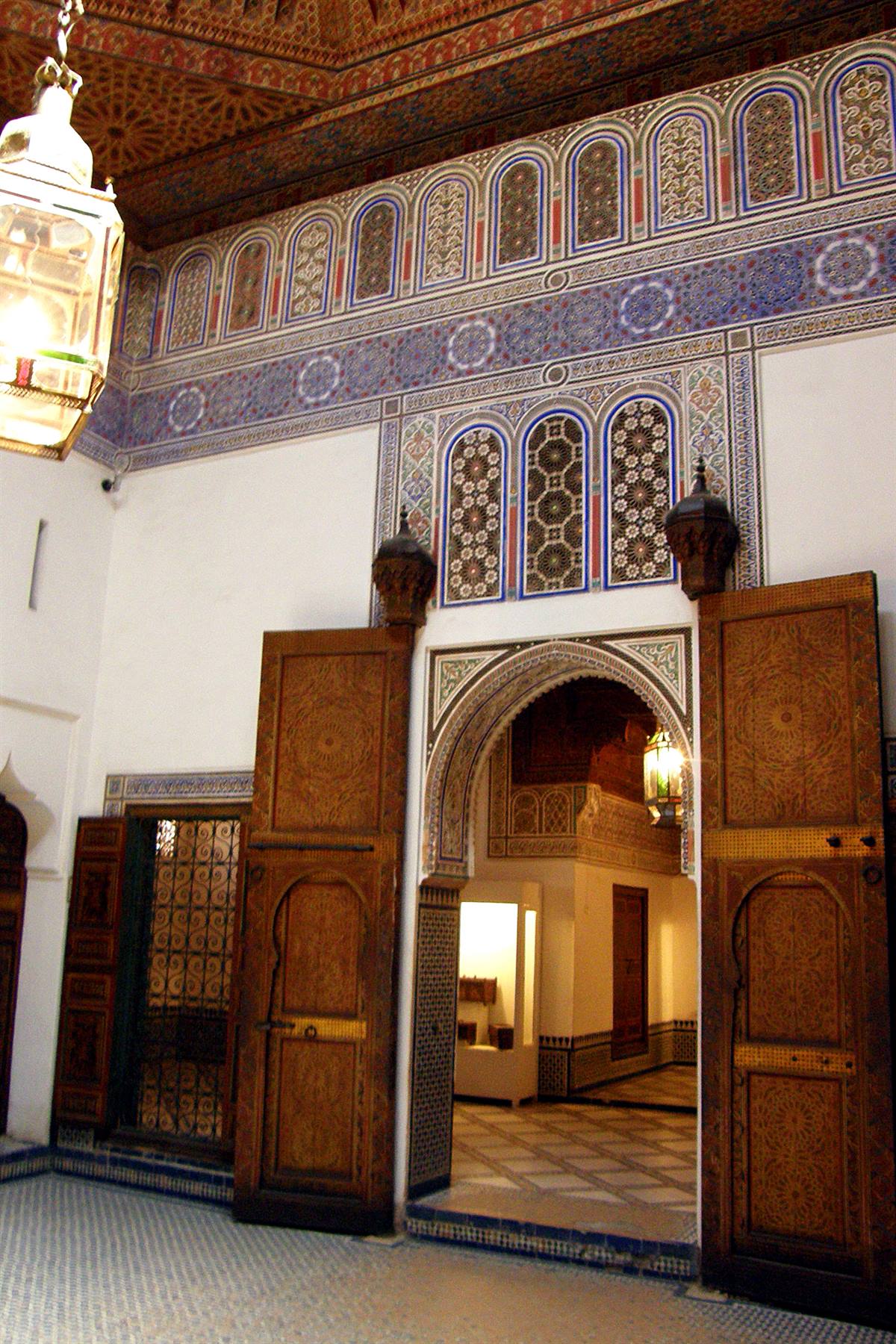
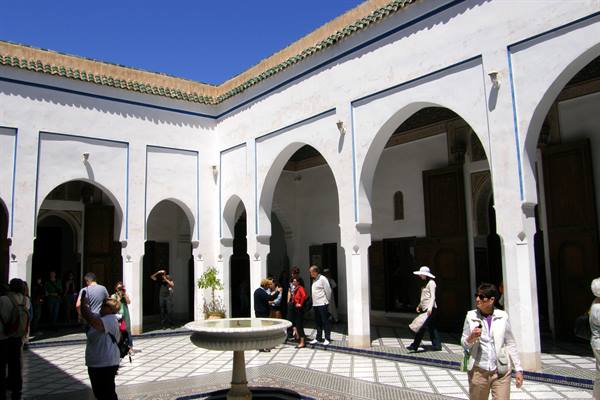
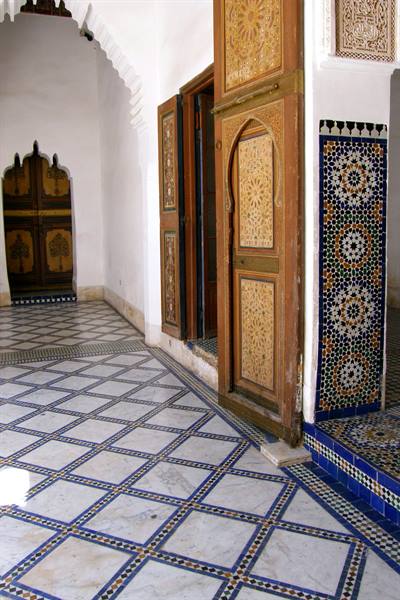
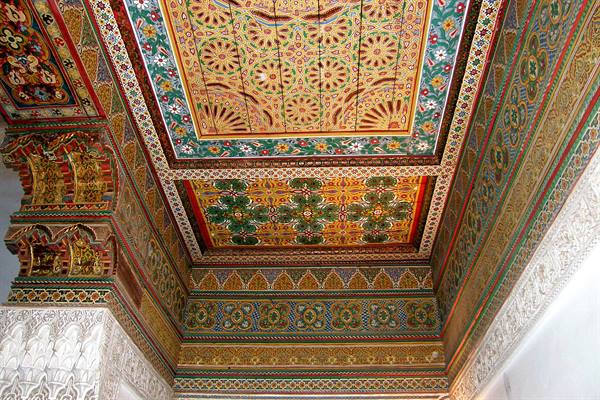
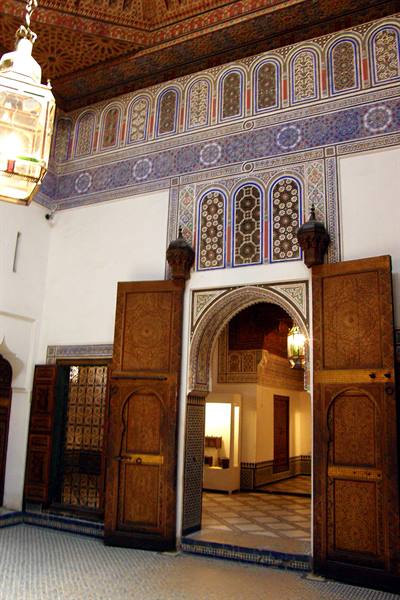
At this point, now mid-morning, we move on to the nearby Palais de la Bahia, a very rich late-nineteenth-century residence belonging to the vizier Ba Ahamed, a very powerful figure in Marrakech, who lived there in the company of his four wives, 24 concubines and countless children. Its 166 rooms (only partially visited) are a profusion of stuccoes, marbles and inlay masterpieces worthy of a royal palace, which make the visit particularly pleasant... a shame only that the main and most scenic patio of the architectural complex is, at this time, closed for restoration. Staying on theme and completing, according to our plans, the exploration of the area, one palace is still missing: that of Dar si-Said, residence of Ba Ahmed's brother, built in the same period as the Palais de la Bahia and in some ways similar in its decorations, though much smaller in size.
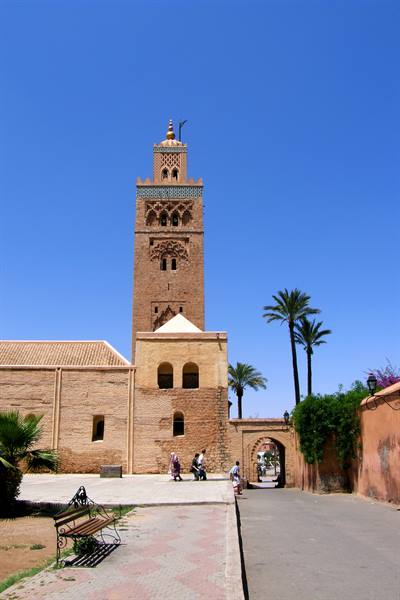
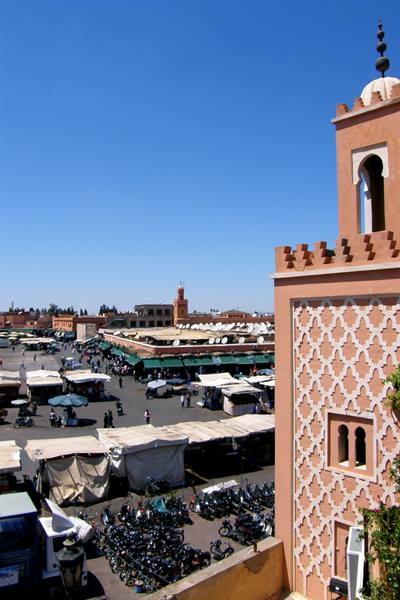
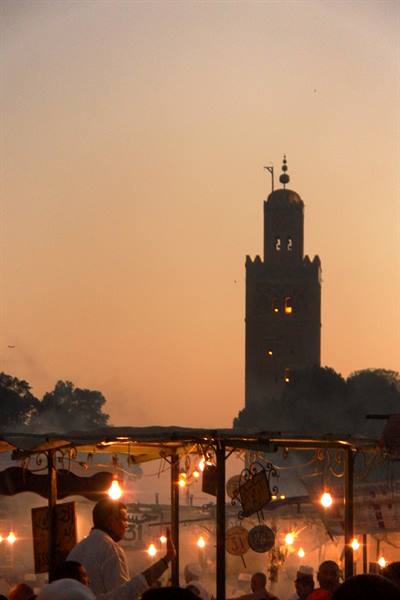
Today it also houses the Museum of Moroccan Arts, but it deserves a visit above all for the beauty of its rooms. The Dar si-Said Palace is less than a hundred metres from our riad, so shortly after midday we stop in the room to freshen up a bit and then off we go, towards Jemaa-el-Fna Square, which is beginning to come to life. We go to immortalise the nearby, very famous minaret of the Koutoubia, the undisputed symbol of Marrakech, which with its 69 metres of height dominates the whole city. It was built by the Almohad king Abd el-Moumen in the twelfth century to replace a previous mosque of the Almoravid dynasty and today is rightly considered one of the most beautiful monuments in all of North Africa. A few more steps and here we are at Jemaa-el-Fna, the beating heart of the city, where capital executions were once held and where an endless number of events still take place today...
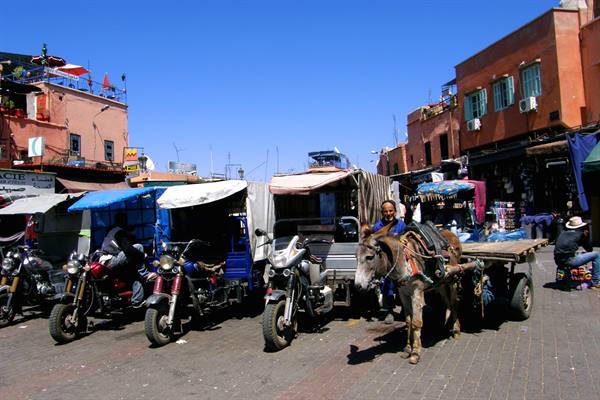
It's not the architecture that makes this place special, but the atmosphere, with its extraordinary scenes of daily life. We go up to have lunch on the terrace of one of the many places overlooking the square (the Taj'in Darna) and in complete tranquillity we enjoy the banal but splendid spectacle taking place at our feet. Fed and watered, shortly after 14:00, we set off again to visit the part of the medina north of Jemaa-el-Fna, where all the souks are, but also various architectural attractions... And it's on these that we focus our attention for now, because the market won't come alive before 15:00. We pass by the Mouassine mosque and fountain and come within sight of the Ben Youssef Madrasa...
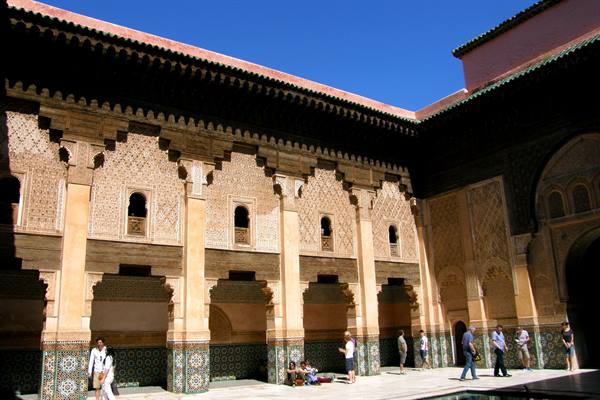
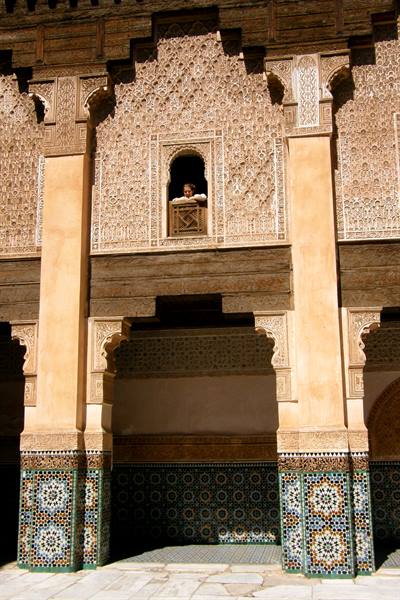
The largest Quranic school in all the Maghreb dates back to the sixteenth century and in its day could accommodate about three hundred taliban (a term, recently, somewhat misunderstood, which in Arabic simply means students). We cross the main door and enter the stupendous courtyard, a perfect expression of Arab-Andalusian art, surrounded by pillars clad in zellij mosaics and topped by massive cedar wood lintels, all embellished with highly elaborate stuccoes. In the spaces around the courtyard there then unfolds a network of corridors and stairs leading to the tiny cells in which the students lived. We explore every corner of the complex and in the end can only express a strongly positive opinion of the Ben Youssef Madrasa, surely the best of all those seen in the imperial cities.
The price of the Quranic school ticket also includes entry to the nearby Museum of Marrakech, which we visit briefly, above all for the palace in which it is housed: the Dar M'nebhi, dating back to the nineteenth century and at the time the residence of the minister of defence. The building, in particular, has a beautiful courtyard covered by a dome-shaped cloth, which however gives the space a not too pleasant tone of light. Nearby, on the other hand, one cannot visit, as it is closed for restoration, the Almoravid Koubba, a building dating back to the twelfth century that contained the ablution pool of the ancient mosque, which was ordered destroyed by the Almohad dynasty. When we return to the open air it is just after 15:00 and a lot of ground has now passed under our feet, especially for Sabrina, who is still convalescing and waves the white flag.
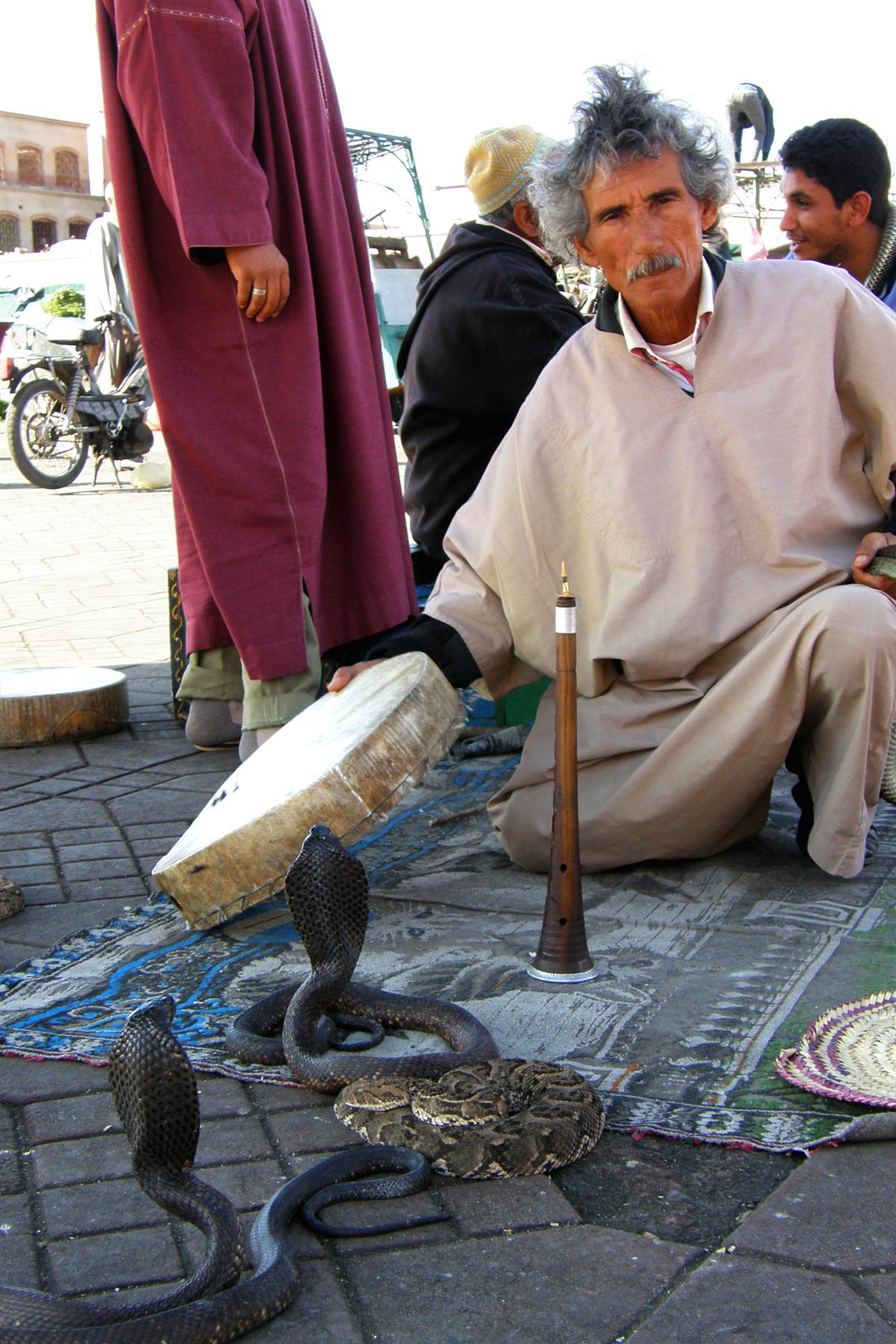
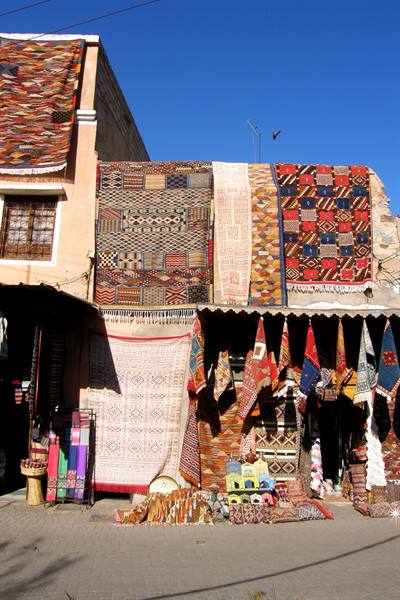
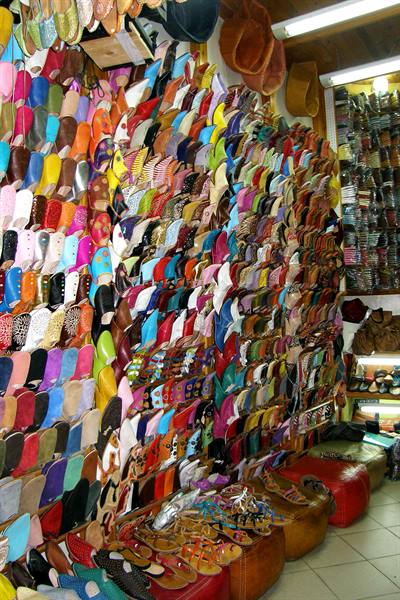
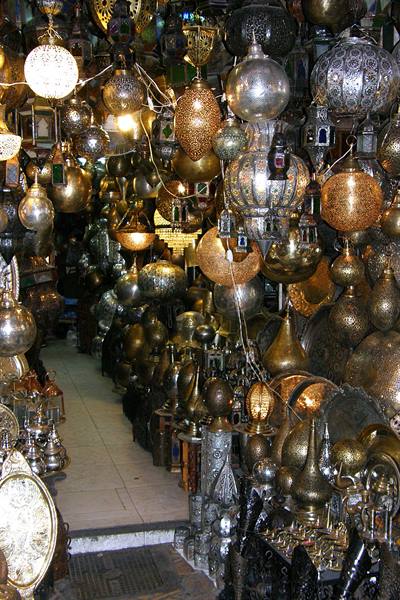
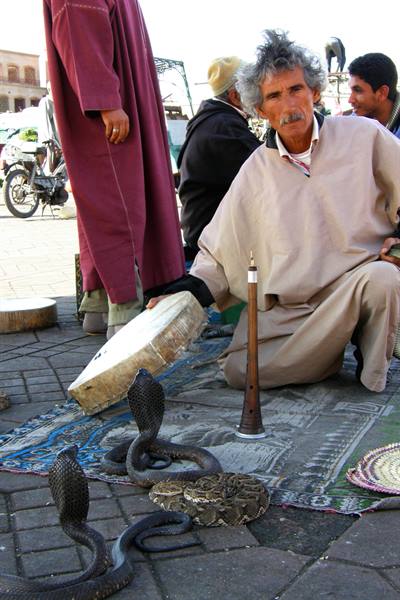
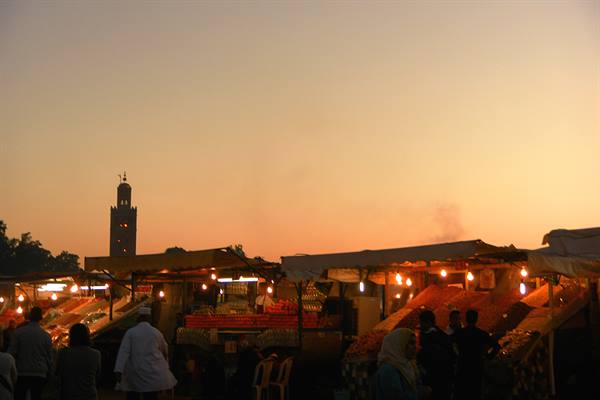
So we quickly cross the souks and accompany her back to the room to rest. Right after, with Federico, I return to Jemaa-el-Fna Square, which at this hour is invaded by jugglers, storytellers, snake charmers and water sellers, and there we have a fine feast of absolute folklore, then we make our way through the narrow alleys of the souks in search of images to capture... A surely fascinating experience, but perhaps no longer so genuine and excessively touristy (much better the souk of Fes in certain respects). Around 18:00 we return to the room to get Sabrina, who has regenerated, and together with her we return to Jemaa-el-Fna. The evening is (finally) mild, so very pleasant, and the square, with the light of sunset, is magical...
We take a wander and do a bit of shopping, then have dinner in one of the characteristic stalls (number 4: Chez Aïcha): we eat good meat and spend an outrageous amount. We treat ourselves to another four steps and then, reluctantly, we leave Jemaa-el-Fna behind, which with its many stalls in operation, giving off great smoke, all the soft lights and the swarming of souls has a somewhat infernal appearance... Of course, Marrakech may also have lost a good dose of originality in recent times, but in certain situations it is truly still (we believe) unique...
Marrakech - Dar Si Said Palace
Day 1230 Apr 2013
It's the last full day we'll spend in Morocco, and it will also be the one with the greatest mileage: over four hundred kilometres... So we get up at the usual time and around 8:30 we leave the Monriad, leaving behind the city of Marrakech, which we will never forget. We head east, following the road that runs parallel to the Atlas mountain range, whose highest peaks, still snow-capped, can be glimpsed on the horizon. We cross a rural area, with extensive fields of already ripe wheat, which are still largely cut by hand today, and by mid-morning we reach the town of Demnate. From there we follow, for a short stretch, the road that climbs the first green hills, up to the parking lot near Imi-n-Ifri: a large natural rock bridge that we are about to visit. We go down along a path beside the roadway and upstream of the formation.
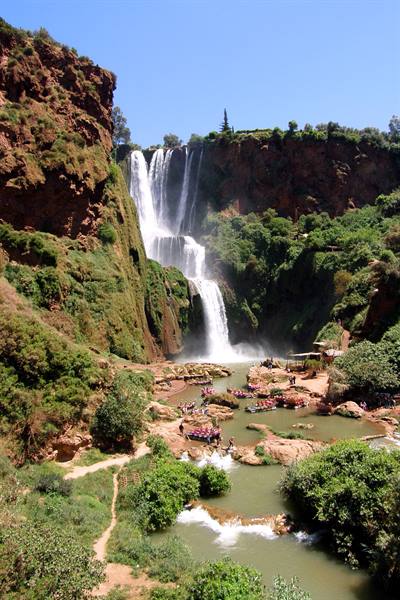
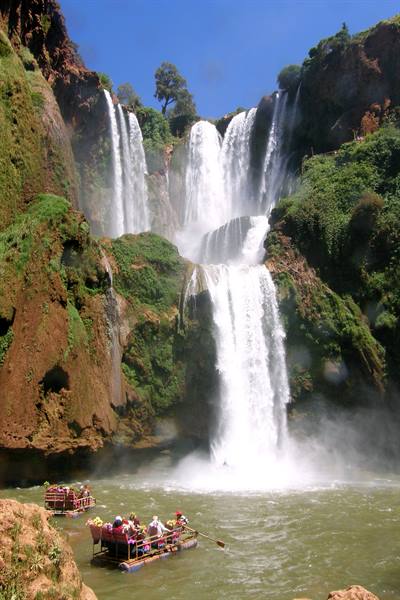
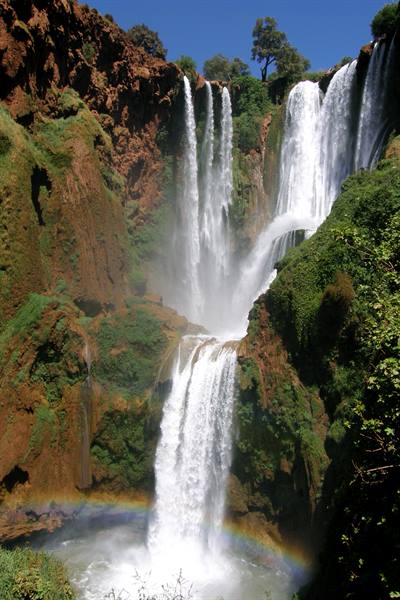
We thus make our way into the impressive rocky cavity, inhabited by a very dense and noisy colony of crows... About half an hour later we emerge on the other side of the road, after crossing with a fine and, in some ways, daring walk an enormous gallery carved by the force of water over the course of millennia. It was certainly worth dedicating an hour of our time to the enormous rock arch of Imi-n-Ifri and, pleased, we immediately resume our journey. We return to Demnate and from there continue further east, until we take a road on the left that climbs again in the direction of a mountainous area, up to the town of Ouzoud. Around midday we reach our destination. We park the car and organise ourselves to visit the Ouzoud Falls, the highest and most beautiful in all of Morocco.
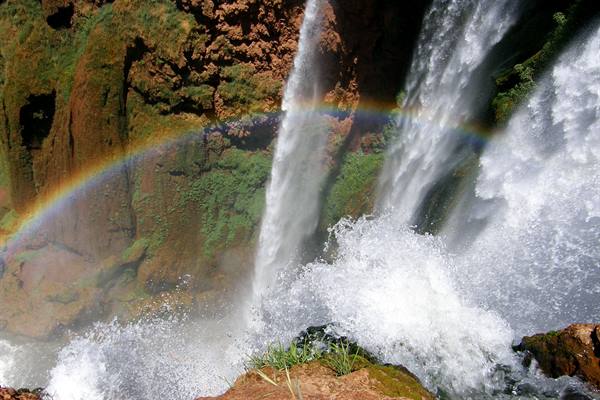
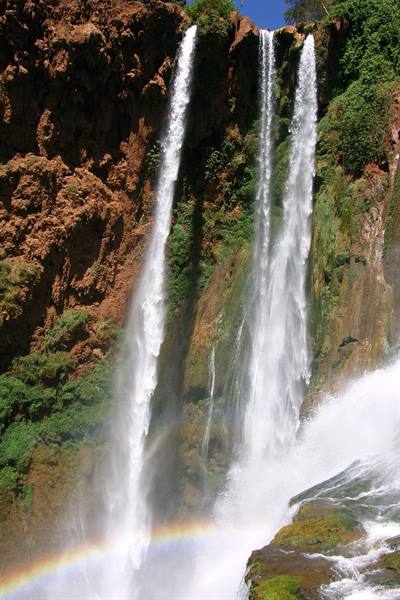
A local guide immediately offers to accompany us down the wilder side of the canyon that leads to the foot of the waterfall, but we tell him, despite his warnings about the difficulties, that we intend to go on our own. First of all we look out from the top of the great drop, with the roar of the water covering every other sound and the colours of the rainbow standing out in the abyss below... fantastic and impressive: it seems impossible that in Morocco there exists a waterfall with such a flow! Right after we begin to descend along a well-trodden path, which presents no difficulty. Then, among the vegetation, we encounter a small troop of Barbary macaques which, accustomed to the presence of tourists, let themselves be photographed calmly.
We thus reach the bottom of the gorge, but not close to the waterfalls, so we have to go back up for a short stretch along the course of the river and at last we come before that marvellous 110-metre leap, in which the primordial elements merge to give life to yet another spectacle of nature. We have lunch with a veritable delight for the eyes before us and right after, in a small boat, we are taken to within a few metres of that exceptional jet of water. Finally we climb back up the other side of the canyon, the less wild one, along a pedestrian route flanked by restaurants and souvenir shops, but still always with beautiful views of the waterfall, and around 14:30 we happily regain our car. With the Ouzoud Falls the day's sightseeing programme practically comes to an end.
In fact now a long stretch of road awaits us that will take us, in the evening, to Casablanca, from where ten days ago our itinerary began. Once down from the mountains the journey, through rural areas and anonymous towns, becomes rather boring, but little by little we conquer the goal and with a bit of apprehension we enter the great Moroccan metropolis (3,600,000 inhabitants). Thanks to the "saintly" navigator, however, we have no trouble finding, right in the centre, the Hotel Les Saisons, which will host us for this last North African night. They hand us the room keys and once settled we go to dinner in the hotel restaurant... When we then go back up we notice a clock at the reception showing almost 22:00... How come?... "Is it fast?", we ask... And we learn that since last Sunday daylight saving time has kicked in in Morocco too...
Lucky we noticed, otherwise we might have had problems tomorrow with the flight times! Surprised that we had never noticed anything for almost three days, we pack our suitcases for the return journey and soon after we go to bed... also given the unexpected hour lost.
Marrakech - Jemaa el-Fna Square
Day 131 May 2013
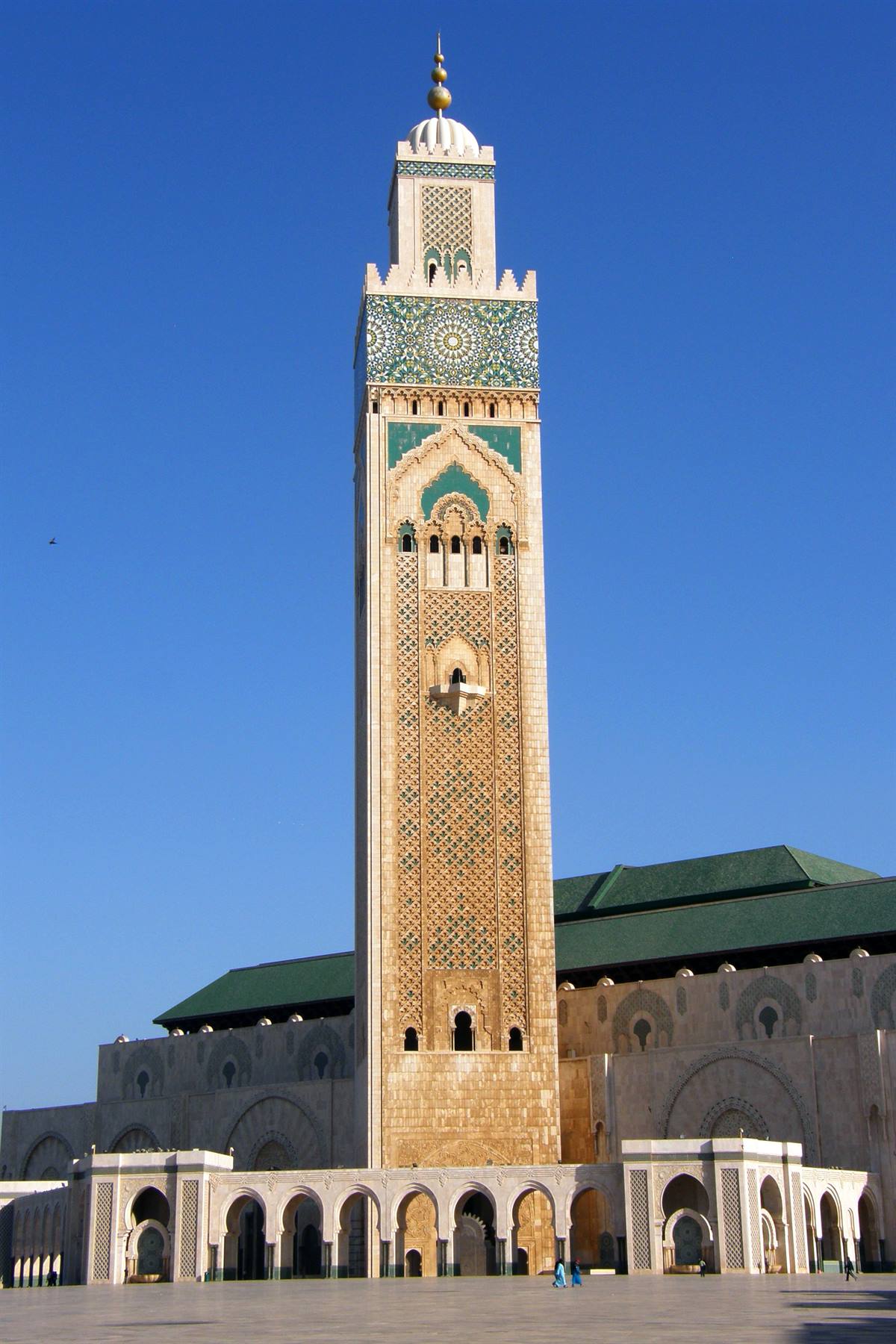
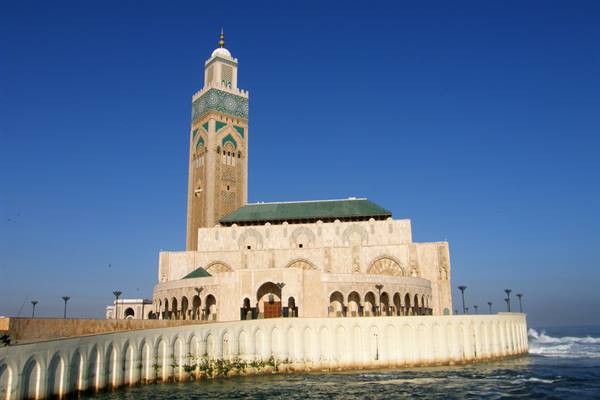
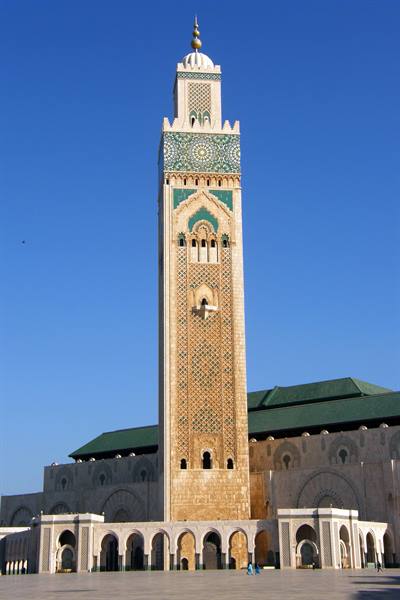
Wake-up at 7:00... the real ones! We get all our things together and at 8:30 we leave the Hotel Les Saisons. We take the avenue that goes towards the port, then follow the seafront until we reach the great Hassan II Mosque. Given the time and the public holiday we easily park the car and then take a walk around the religious building, of truly impressive proportions. In fact by extension it is the largest in the Maghreb and, in the world, second only to Mecca. Its minaret, moreover, with its two hundred metres is the tallest on the planet. It was inaugurated in 1993 and about ten thousand people were employed in its construction and almost two billion dollars were spent... but the result, before our eyes, is truly stupefying. The mosque, a very rare case, is open to visits even for non-Muslims, but we, unfortunately, cannot allow ourselves that due to lack of time...
shortly after 9:00, in fact, we have to set off for the airport, where the return flight to Italy awaits us. At 9:40 we're at the car rental parking lot and there we hand back our faithful Mitsubishi Pajero, with which we covered, in Morocco, 3,046 kilometres. We go inside the terminal to leave the car documents as well, then we look for the desk for checking in our luggage... There's a bit of disorganisation, but in the end we find it. We check in, pass through customs without problems and wait for our plane at gate number 15. The wait is short although, thanks to the aforementioned disorganisation, the carrier should depart from gate 15, then it turns out written on the video of gate 17 and in the end we board the Air Maroc flight AT952 from gate number 16... The Boeing 737 lifts off at 12:56, immediately banking towards the Mediterranean basin. The
0 reader comments