A trip to Japan cannot be told in a few lines, but above all it is difficult to describe the emotions that a land so far away and so different from our traditions leaves inside you. I returned to Italy with a sense of emptiness, of melancholy that I have rarely felt after a trip. It is those feelings you have accumulated during your stay that make you think, during the almost 15 hours of flight that bring you home, "but why did I get on this plane?" Let's start from the beginning, that is from where the trip to Japan was born. From the curiosity to see such a particular people, from the fascination that Asian peoples have always generated in us, from the desire to see whether modernity and tradition can truly coexist. We have only one week of holiday and so we decide to limit our adventure to Tokyo and perhaps dedicate ourselves to a few excursions. Travel.
Landing, transfer Ready, set, go. We are at the gate of Fiumicino airport to board Alitalia flight AZ784 for Tokyo Narita airport. Departure at 15.00 and arrival at 10.20 the following day after almost 15 hours of night flight. At the gate a strange silence reigns. There are a handful of minutes to boarding and no one in front of the entrance gates. The Japanese are religiously seated and wait for the staff to call the boarding, after which they get up and do not crowd like beasts but respectfully gesture for you to go ahead. Incredible. The flight unfortunately is rather bumpy especially in the first 2-3 hours when, due to some storms, we are tossed about quite a bit. Time passes slowly, between some reading and watching some films (individual and multilingual screens on Alitalia's B777 even in economy class).
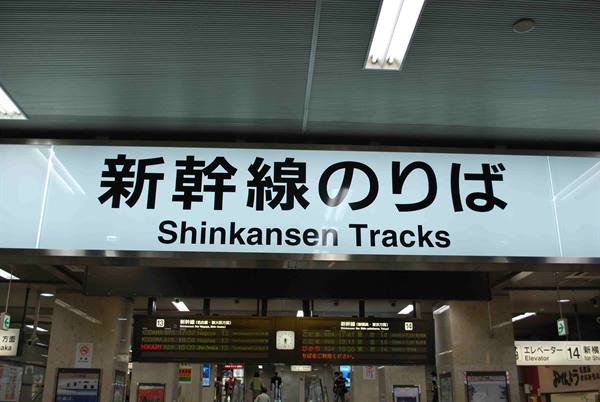
We arrive at Narita not before having filled in the entry form for Japan (similar in characteristics and style of questions to the one you find for direct flights to the USA). At Narita the formalities are quick and after a few minutes we are out of terminal 1. We had read about Limousine Buses to go into the city but unfortunately the times do not coincide and we would have to wait over 2 hours to take it. Nothing doing, so we opt for the train, the Narita Express, which we take from Terminal 1 and which takes us directly to Ikebukuro station, where our hotel, the Metropolitan Hotel, is located. The train ticket immediately reminds us that we are in Japan and that services cost a great deal (but they are worth all the yen spent!). The journey costs 3,100 yen, that is about 30€ each.
Speaking of which, let's talk about the exchange rate: we tackled the trip at the worst moment for the euro (of course!) and the exchange rate at the airport was about 108 yen for 1 €. It is the best rate we found: both in the hotel and in the banks, and the (few) counters that change money had a worse rate (107, 106). So my personal suggestion: change money at the airport. The airport is about 70 km from the city and the train takes about 1.5 hours to reach the final destination, considering that during the journey it makes a few stops. The train is equipped with wi-fi coverage for internet even though browsing requires the purchase of cards or subscriptions. The ticket for the Narita Express also provides for mandatory seat reservation on board, so ask which row and seat is reserved for you (not very simple since the indications shown on the ticket are only in Japanese).
Language We have read numerous accounts regarding the language difficulties and I feel I can confirm them, but I assure you that this will absolutely not be a problem for your holiday. In most cases people will not be able to understand or, more easily, to explain themselves in English. Show them the name of the place / attraction you are looking for written in Japanese and they will surely make you understand in some way how to get there. In the metro or train (JR) stations you will always find staff at the ticket offices who speak at least a little English, no problem. In Japanese restaurants or venues things may get harder but in 90% of cases you will find either menus in English too (badly translated but certainly better than nothing) or, more easily, photos of the dish that will give you a great help.
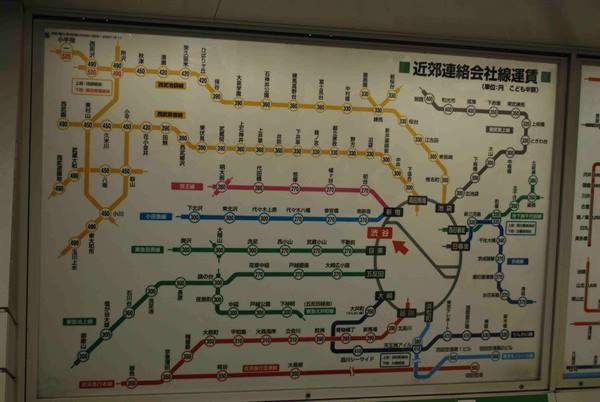
If you stop a Japanese person in the street who cannot give you directions, thank them and leave, because they will hardly go away (out of politeness and because they are consumed by guilt). Managers in jacket and tie always go at 100 miles an hour but they are the ones who might know the language better, even if stopping one during rush hour becomes, rightly, an undertaking! In any case be smiling and kind and you will have no problem. Metro Certainly the impact is not the best. It is not really easy to make sense of it, especially at the automatic machines. Indeed the price of the ride varies according to the distance of the stop you want to reach and therefore to get the final price you must indicate your destination.
The problem is that the map above the machines is in Japanese while yours is certainly in English (even if you have one in Japanese, I'd like to see you check the accuracy of the ideograms!). The self-service machines are also in English but, except for the train ones (JR, green, in my view easier to use because you compose the destination name yourself in Western characters), the others ask you to indicate the destination price band. In short, a big mess. In any case two techniques can be adopted: 1. You always pay the lowest price (130 yen, that is almost 1.3 euros) and then before exiting you can pay the difference at the machines located near the exit. You will see that many Japanese people in fact pay the difference because even for them it is not exactly easy to orient themselves with those giant boards 2.
Possibility number two: a day pass which in my view lets you save money and above all time. You put it in the machine and wherever you go...it's done! As regards the metro, it is served by two large companies: 1. Tokyo metro line. There are 9 lines that run throughout Tokyo. The day pass costs 710 yen (a little more than 7€). There are no weekly passes but only monthly ones. This pass, however, does not allow you to travel on the 4 lines served by the second transport company: 2. The Toei line. There are 4 lines for which you must pay a supplementary ticket or take a day pass covering both "lines" for 1,000 yen a day. Besides these two companies there are also other rail transport lines, the most important of which is served by the JR, that is Japan Railways. The urban line is called the Yamanote Line and is a sort of railway ring road that circles the mega centre of Tokyo.
If you want a day pass that includes this line too you will have to shell out 1,580 yen a day. Besides these lines there are also 4 private ones for which I do not think I have seen an integrated pass with the others exist (but I might not have understood much!). These private lines are used to go, for example, to Odaiba, that is to the Tokyo Bay district. We resigned ourselves and paid the supplementary ticket.
Day 117 May 2010
Story
Inside the stations, near the vending machines, there are convenient displays where brochures and folders of every kind are distributed and, of course, very handy subway maps. Get one right away so you can familiarize yourself with the Tokyo Subway Ticket prices are rather high: on the private lines, to travel 4-5 stops you'll pay about 4 euros, while the cheapest is the urban JR train, that is, the Yamanote Line. Personally I did well with the day pass for the Tokyo Metro only, because my hotel was very well served by these lines. For the rest we paid the supplements, but we saw that transport costs will weigh heavily on your overall spending budget. The metro opens in the morning at 5 and closes around 12:30 a.m. The stop indications are always bilingual, even inside the cars; we never got lost.
The only rather difficult thing is figuring out the station exit, because the stations are often located inside rather large shopping centers, so you need to locate the exit closest to your destination well. One help in this regard comes from a booklet you'll find inside the subway stations called "Welcome to Tokyo Handy Guide"; it's orange. For every attraction it tells you the exit (for example, for the Meiji Jingu temple it indicates station C03 (that is, line C station 3) of the Chiyoda Line, exit 1/2. In any case, near the exit there's always a large map of the area to help you figure out the right exit. Don't worry, because you'll find many Japanese people struggling too, maybe even worse than you.
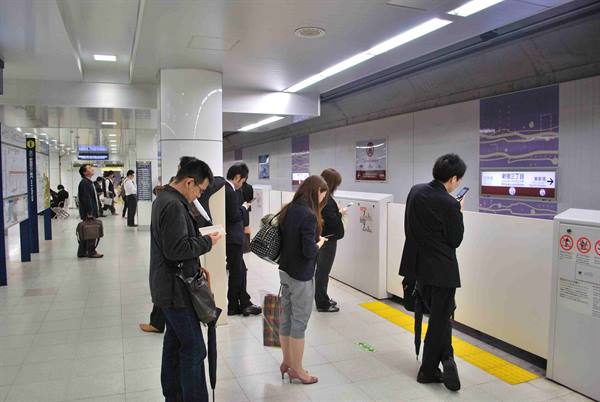
Watch out at rush hour because the situation really heats up: the crowd becomes substantial, though always very orderly: on the escalators you always keep to the left and on the ground the directions of travel to follow are always indicated with arrows to avoid bumping into other people. On the platform, marks are placed on the ground to indicate the doors of the cars and to form the line for boarding. They're very orderly, so it'll be instinctive to get behind the last person in line and wait your turn (there are none of the funnel-shaped lines typical of Italy, or of some clever European for that matter). The metros are fast, punctual, frequent and spotlessly clean, with no graffiti and/or street vendors and musicians. There are numerous vending machines that sell everything and bathrooms as clean as the ones at home.
Important note: don't throw away your ticket once you've gotten on the metro, because you'll need it to get out! Food Well, there's little to say here. We're talking about Japanese food, though in reality forget the myth that the Japanese only eat sushi and sashimi. That's certainly not the case. There are, however, numerous sushi bars where you can eat excellent sushi (or fish in general) for around twenty euros. Quite affordable, I'd say. The things that struck me most, though, are the shrimp and vegetable tempura, noticeably lighter and better than the one I had eaten in Rome. Among the dishes I wanted to point out to you are tonkatsu, that is, breaded cutlets with very tender breadcrumbs and sometimes offered stuffed with cheese. Sometimes the cutlets are served on a plate of rice and take the name Katsudon.
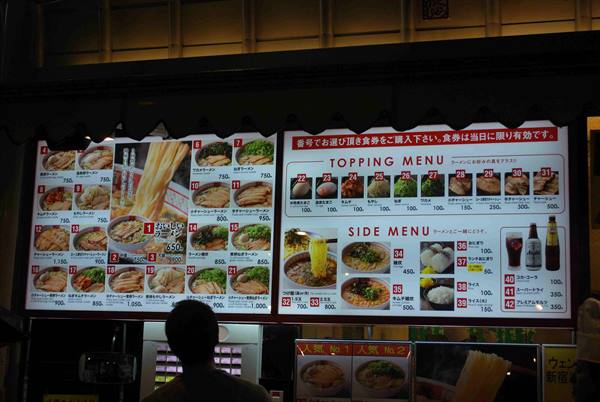
The thing I liked least are soba, that is, buckwheat noodles served in cold broth. I prefer them as real Chinese-style noodles, perhaps served with shrimp tempura (udon). But the thing you'll find everywhere, offered in countless variations, is ramen, a true Japanese institution. They're bowls of hot broth into which spaghetti is placed and served in the classic variations: shio (salt only), shoyu (with soy) and tonkotsu (with pork broth). Inside the bowl there are also fresh bean sprouts, corn, slices of a kind of pork roast, and there are also variations with boiled or fried egg. I have to tell you the appearance is certainly not inviting, but the flavor isn't bad, and if I were you I'd taste them without hesitation. The places where you eat ramen are classic salaryman joints, that is, frequented by Japanese office workers at the end of their (long) workday.
They're places where there are often small tables, or more often a single counter (like a sushi bar), and where you order through an automatic machine placed outside the establishment. You insert the money, press the corresponding button, take the ticket and any change, go in and hand it to the server. Within a few minutes you're served the dish you requested. Something rather noteworthy, especially in non-luxury places, is the greeting on entry and exit that the staff gives all together to the customer who enters or leaves. Incredible the chant they do in chorus while everyone keeps cooking, washing, cleaning, etc., etc. The places seem very clean and well kept, and we had no intestinal problems. Every dish (or almost all have the option to add it) is accompanied by rice and never by bread.
The rice is always rather sticky, and this makes it very easy to pick up with chopsticks (otherwise, if it were nicely grainy, it would really be painful!) Usually the drink par excellence is green tea, which in some places is given for free, while water is free and strictly from the tap (always served with ice). If instead you want bottled water, you have to buy it separately. The other typical drink is beer, which however isn't exactly cheap, with a cost ranging between 4.5 and 6 euros, but I saw that there are places where it's offered at a lower price if combined with some menu. If you want, especially in sushi bars, you can drink sake, but also this at a cost of around 6 euros for 180 ml of the stuff.
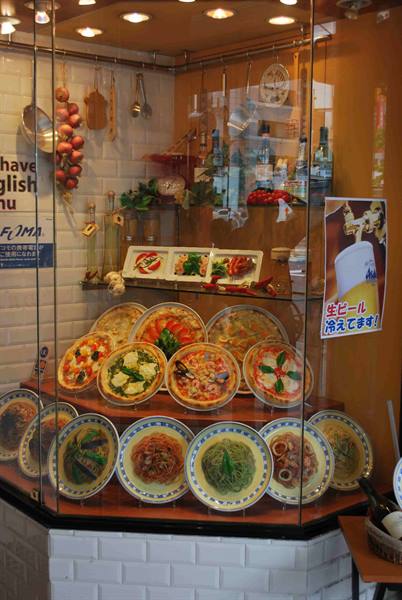
A note of local color: forks are not used! So train yourself in the Chinese restaurants of your city before leaving, because the shock could be strong! I must tell you that after the initial awkwardness and by copying your neighbor (or better, asking him for help!), it comes quite naturally, and even if you won't reach their level (they do incredible things with chopsticks), you'll surely manage quite decently and without making a poor impression! In any case, outside almost all the establishments there's a display case with mock-ups (that is, wax or plastic reproductions) of the dishes offered inside (they're big on visual communication), and the menus too are always accompanied by explanatory photographs, so ordering is really very simple.
Incredible too are the places frequented by young people, where ice creams and crepes of every kind are offered, in this case also reproduced down to the smallest detail by these reproductions. If you avoid the classic restaurants and go to the places frequented by ordinary locals, you'll eat for around ten euros; I'd say the price is quite affordable, and so I'd say food is one of the least expensive things you'll find in Tokyo.
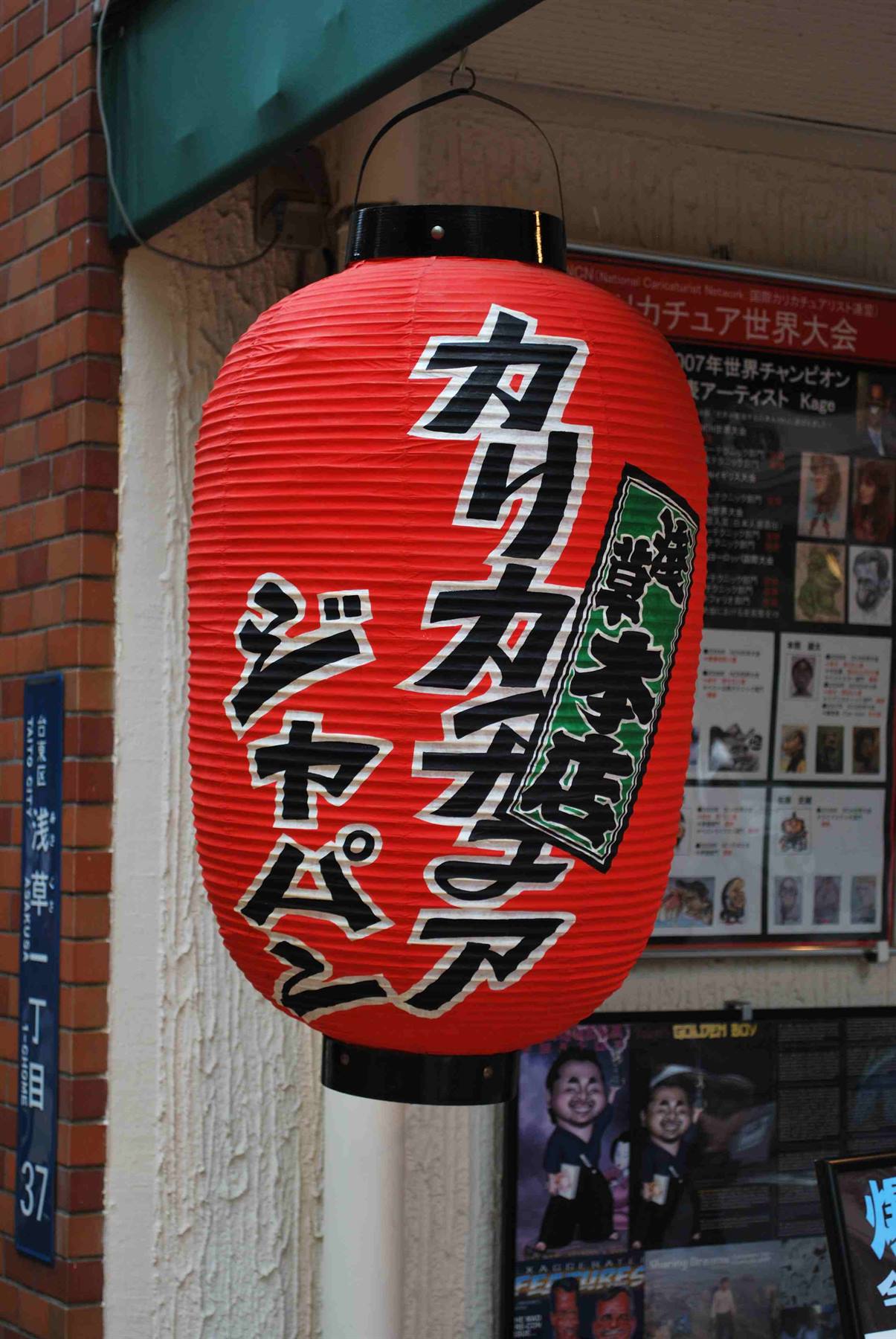
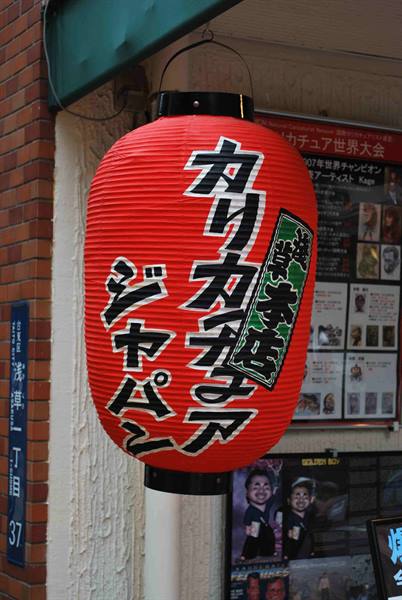
Red paper lantern with black characters hanging outside a Japanese restaurant
Day 218 May 2010
Story
Hours Compared to the rigidity of some European countries, the Japanese seem to be an exception, as if there were a Tokyo nightlife to respect. You can easily eat until 10 p.m. in all establishments, but of course in those with the highest concentration of people and on certain days of the week you can eat until late. I'm talking about the areas of Shibuya, Takeshita Dori and Kabukicho. If you really can't find anything open, then fast food will be your salvation, because many are open 24 hours, as are some supermarkets. Shops generally close between 9 and 10 p.m., and on Mondays they're closed in the morning. At lunch there's no fixed time; from 12 onward you can eat until dinner. Hotel As I said, we stayed at the Metropolitan Hotel, located 100 meters from the subway and train station of Ikebukuro.
A truly enviable location, and also very convenient is the supermarket open 24 hours a stone's throw from the hotel, which will let you buy food and drinks even at unusual hours. We opted for the Economy room without breakfast. The price, not negligible, was 100 euros per night, and we booked directly on booking.com. We did a lot of hotel research to try to figure out the neighborhood and the congenial price... in the end we understood that the important thing was the location near public transport and the price. In reality the city doesn't have a true center as we understand it, and so there's no area designated as "central," although in the guides the reference is the Imperial Palace. Actually the hotels around that area are very expensive, and perhaps the area is the one that in the evening has fewer intense services like restaurants, venues and nightlife.
We considered the Ginza area, but in the end we (fortunately) ruled it out because of the price and the fear (confirmed) that everything around the area had prohibitive prices (at least for our pockets). But let's get to the hotel. It's located inside a building of almost 30 floors. On the ground floor, besides the reception, there's the area where breakfast is served, a sweets shop (which unfortunately doesn't open before 10 in the morning), some souvenir, jewelry and clothing shops. First observation: it won't be at all easy to find postcards around Tokyo; the Japanese seem not to like them much. So the little shop in the hotel is a precious place if you need to send postcards to friends and relatives, because it's well stocked. Stamps, on the other hand, you can request at the hotel reception, which will also take care of mailing them directly (what service!).
The only negative note was on arrival, because they don't do check-in before 2:00 p.m. and they're very strict about this. So a diligent person takes care of your luggage and you, groping around like a zombie because of jet lag, will try to pass the time before you can get your longed-for and well-deserved room. Check-in very quick: reading the reviews of this hotel I noticed that many visitors complained because the staff doesn't speak English. That didn't happen to me; on the contrary, I must say the staff is efficient and always has a duty manager available who will give you information always and promptly in impeccable English. Moreover, something very useful, if you need to book some organized excursion, he'll do it for you, eliminating the language problem associated with a phone call. Let's go to our room, located on the 7th floor of the hotel.
The room isn't very big and spacious (be prepared, because in Japan you won't have much space, in all the places you'll visit!). There's a double bed against a wall (so whoever sleeps on the wall side has to climb over the other to get out), a small desk with a chair and a low table. It's hard for two people to move around inside the room, I have to admit. There's also a small cabinet on which sits an elegant LCD TV. At first glance the first problem is where to put the luggage and clothes. In fact there's no physical space to put the suitcases (and we only had two carry-ons). The closet is really small and there's only room for 4-5 hangers, and there's a small safe (like the office ones). In short, we tried to settle in as best we could, but it's undeniable that it's rather cramped, so much so that we didn't fully unpack, because we didn't know where to put the clothes.
As for the equipment in the room, besides the LCD TV (with all local channels except CNN and BBC) there's a minibar (empty, only for putting your own things), a kettle with a daily supply of green tea (free), air conditioning that's easily adjustable and rather quiet (at least that!), and an alarm clock with built-in radio in the cabinet next to the bed. There's also free ADSL internet but no wi-fi, so you can only browse by using your laptop connected physically to the network. Let's move on to the bathroom: tiny but perhaps bigger and more spacious than the room. Decent sink with all the necessities provided by the hotel: razor, shaving foam, combs, toothbrushes and toothpaste, etc., etc., plus a shower with Shiseido soap, shampoo and conditioner, and then the grand finale: the toilet.
Hyper-technological with built-in bidet and differentiated for men and women (complete with a digital button panel with drawings of the intimate parts!) Fantastic! Even if in the end not exactly practical... moreover, when you sit on the seat, a jet of water immediately starts to freshen the device... then every so often, if you stay seated for a while, the jet renews itself, but this time also accompanied by a sanitizing spray... so when you're sitting there, beneath you there'll be noises of every kind that really won't let you relax completely! Grand finale: heated seat, so no cold-shock trauma. The bathroom is also completed by a wall-mounted hairdryer. Change of towels and sheets upon your express request by using a special card to be used according to (easy) instructions in English. Oh, I forgot that every morning they'll slip an English newspaper under your door.
On every floor there's a drinks dispenser, including alcoholic ones, and ice (this is free). On the ground floor, next to the reception desk, there's the business center, which is nothing more than a small room with web stations for guests. You access it with your room key card, but there are only 3 working stations and a photocopier. The cost is 1 euro every 10 minutes (you pay with coins, but there's also a machine that changes bills) or you can opt for the daily subscription for about 12 euros. Breakfast costs about 25 euros per person per day and is a buffet. To us it seemed excessive, so we bought breakfast at bars/pastry shops and then ate it in the room with tea. The hotel also has a pool and a gym, but they're paid (I couldn't tell you how much they cost because we didn't go and weren't even interested).
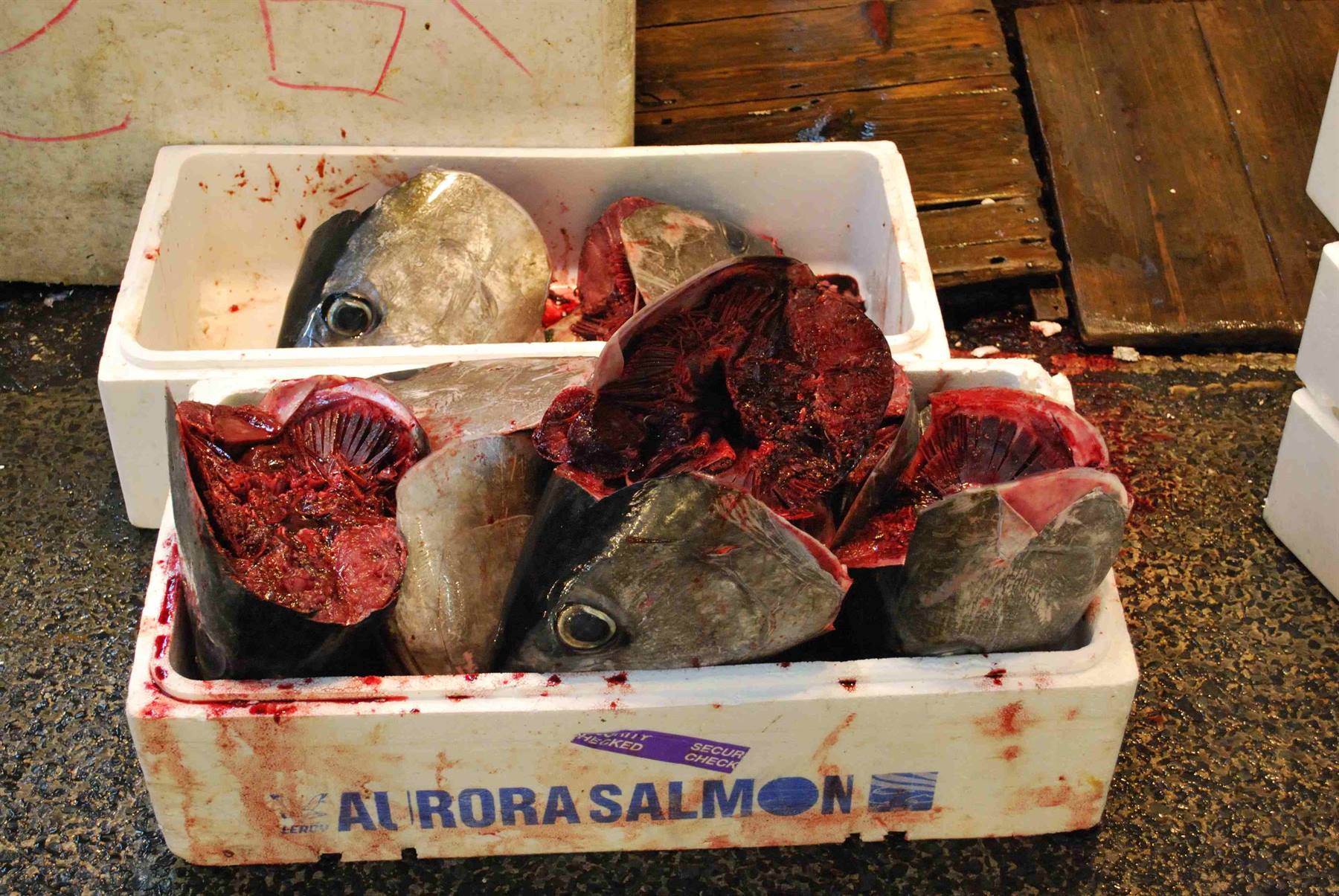
Tokyo fish market
Day 319 May 2010
Story
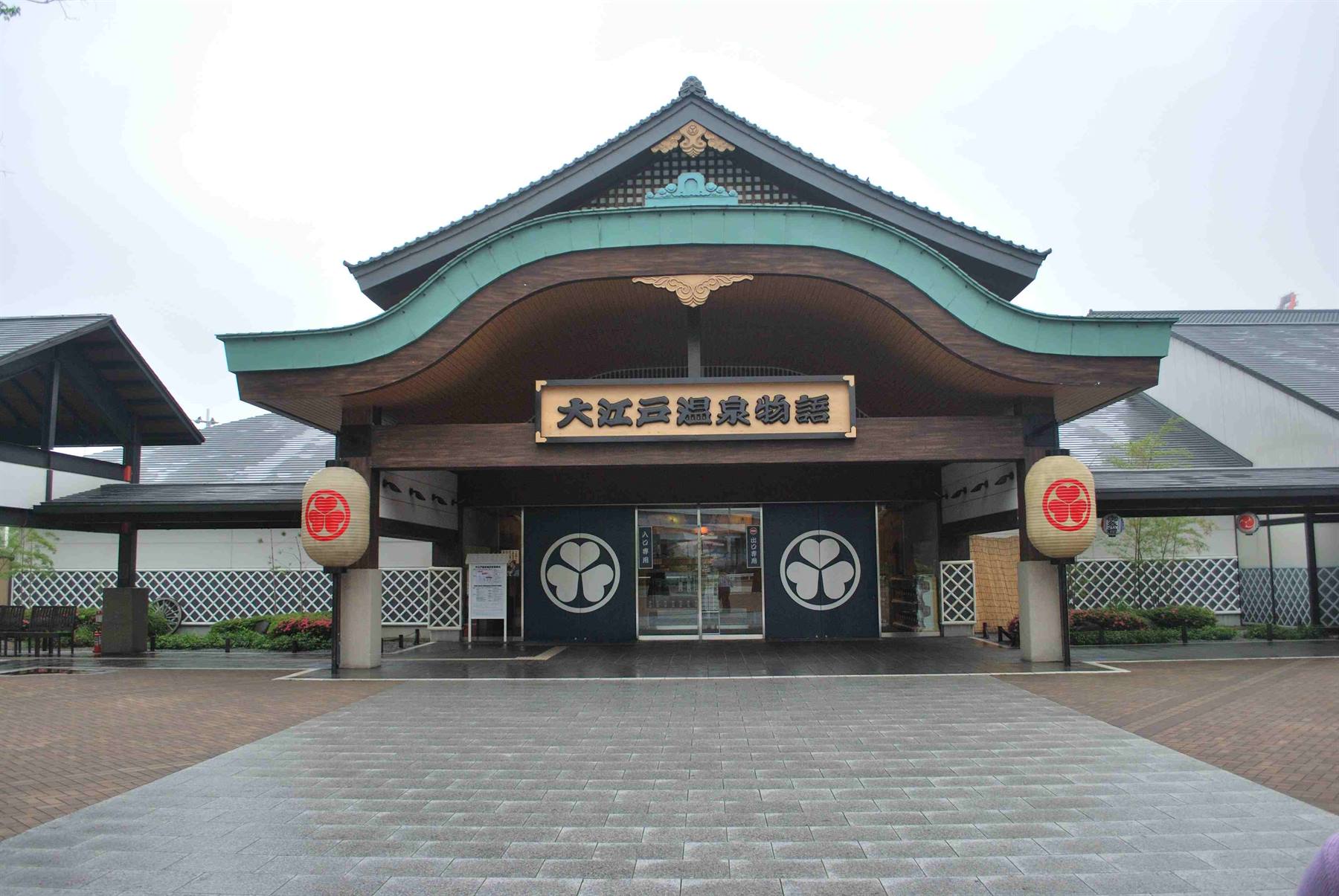
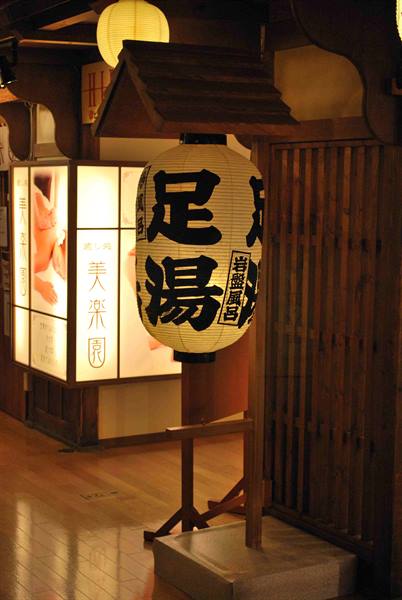
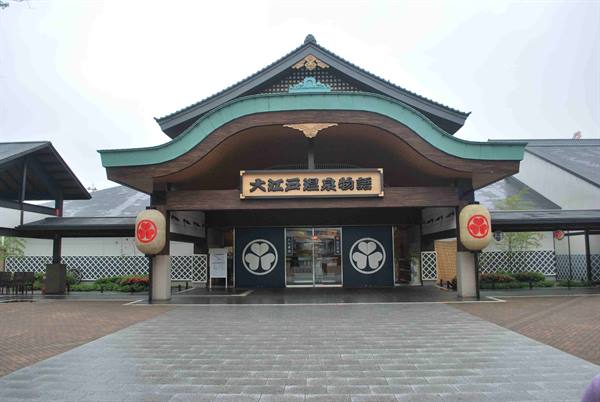
Onsen Japan is famous for its onsen, that is, the SPAs. The Japanese territory is volcanic, and there are numerous hot spring sources scattered not only throughout the country but also within the city of Tokyo. It's an experience I recommend because you'll surely come out toughened and relaxed. We tried an onsen called Oedo Onsen Monogatari ( and it's located in Tokyo Bay in the Odaiba area. It's open 24 hours (I'm not kidding!) except for two hours in the morning from 9 to 11. The thermal baths, however, are strictly separate for men and women, because the rule is that you bathe strictly nude (you can't even wear a swimsuit). Once inside the onsen, you take off your shoes and a girl in a kimono will accompany you to the cashier, and after you pay she'll have you choose the kimono called a Yukata and point you to the changing room.
After changing and wearing only the yukata, you'll go to the pool area for your bath. Entry has a cost that varies depending on the time: until 6:00 p.m. it costs 2,900 yen, after 6 and until 2:00 a.m. it costs 2,000 yen, and from 2:00 to 7:00 a.m. it costs 3,700 yen. The price allows access to the pools plus the yukata and also includes the towel. If instead you want treatments like mud, sand baths, foot paths or other, then there are supplementary costs to pay. If instead you don't want to be separated from your partner, or you don't want to bathe naked in a tub with a stranger, then you'll have to be ready to pay something extra to go to the onsen paradise. It's a real Japanese-style apartment complete with tatami, a low table with TV and everything needed for green tea, and a mega whirlpool tub with thermal water just for you. Depending on the size, up to 4 people are allowed access.
Our apartment was about 60 sqm and cost, including entry, 8,000 yen for an hour and a half (which, thanks to our shyness and inexperience, became two, because the person at the cashier was moved that we had come from Rome all the way to their onsen!). It's truly something to do: you'll bathe in this hyper-technological tub on a terrace complete with shower, Shiseido products, and then you'll have the necessities for your hair with lotions, creams, gels, etc., etc. In short, a treatment fit for lords for a price I'd call affordable. Inside the onsen of course you can eat, make small purchases, rest (there are rooms available), and watch small shows. Everything inside is built in Edo style, and even if a bit kitschy, I must say it's quite characteristic. It almost feels like living in another era, with all the people in yukata and strictly barefoot walking around smiling and happy.
To get to this paradise you can take the private subway line called Yurikamome and get off at the Telecom Center stop. The line is taken from the Tokyo metro at the Shimashi or Toyusu stops. Climate It wasn't exactly favorable to us. In a week we had a day and a half of sun and the rest pouring rain and overcast weather. It's always rather windy, especially during the day. The temperature was quite acceptable, with daytime temperatures around 25°C and nighttime around 18°C. The humidity is rather significant, so the heat immediately becomes unbearable, and even during the rainy days we never suffered from cold. We were told that June and September are the rainiest months with the arrival of the monsoon, and surely April and October are the mildest.
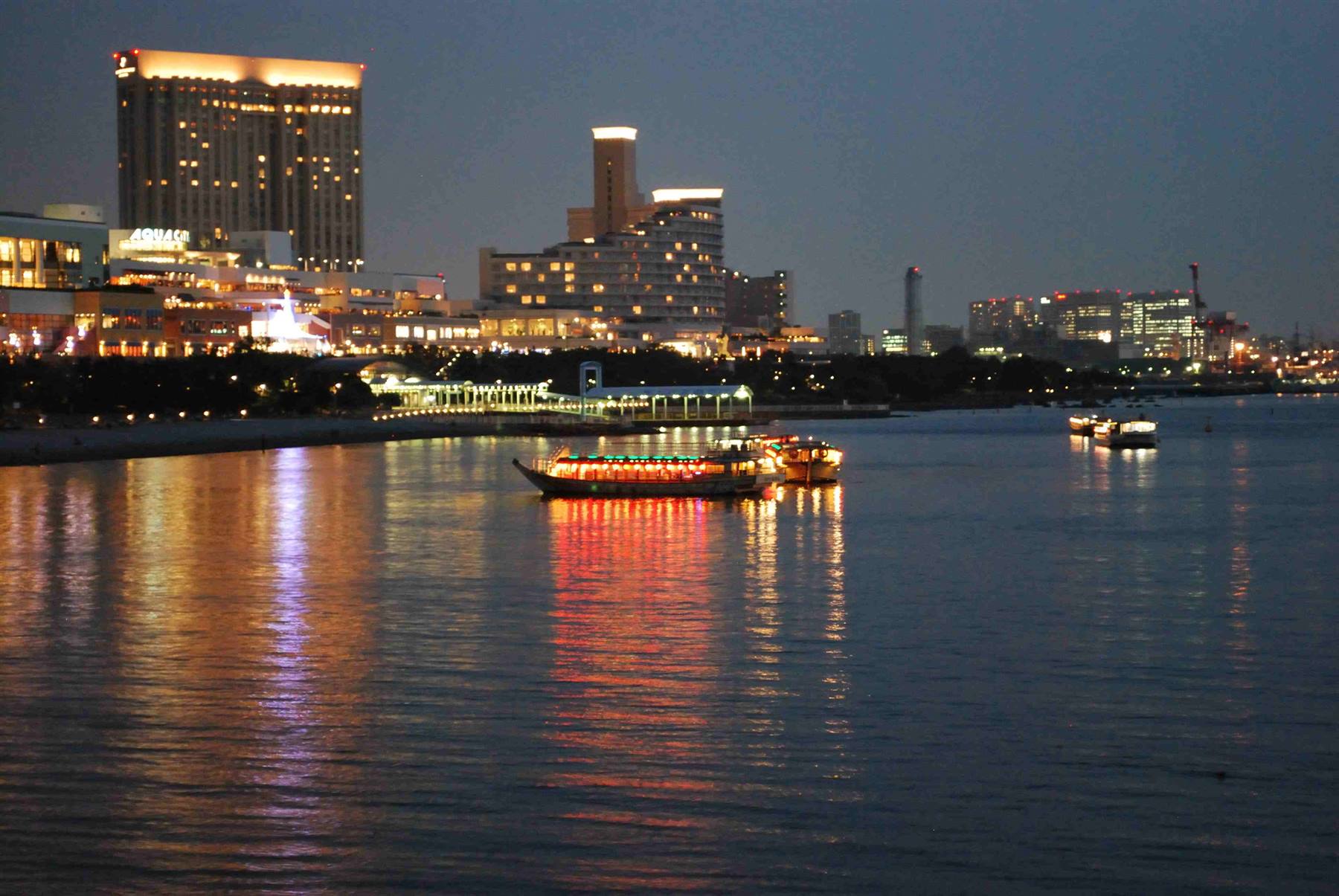
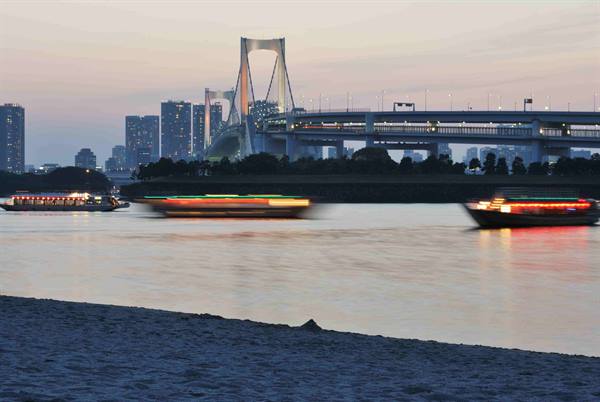
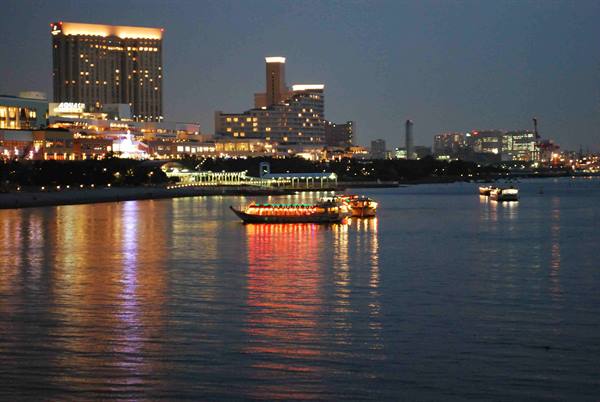
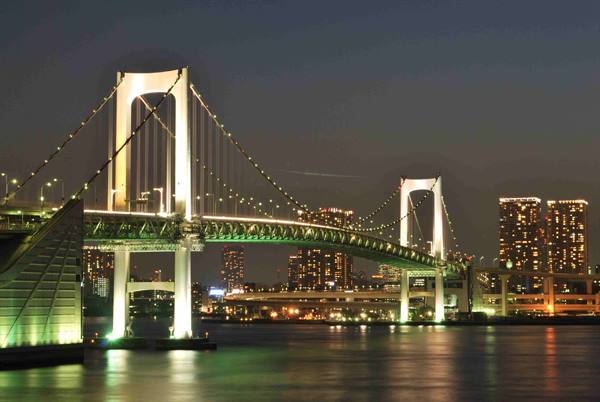
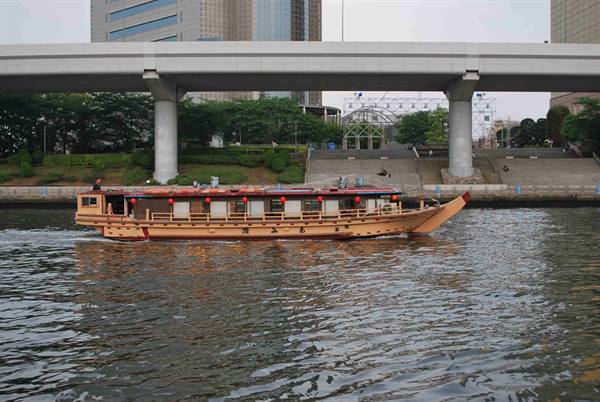
Tokyo Area We had the good fortune and perseverance to tour and touch all the most important neighborhoods and attractions of Tokyo, and for this I'll point them out to you separately by area. I hope it's welcome! Odaiba It's the most scenic part of Tokyo because it lets you admire the sumptuous skyline of the city. To get there you have to take the Yurikamome or the Rinkai Line of the metro. In the neighborhood you should try the Oedo Onsen, or go for a walk on the Rainbow Bridge, the bridge that crosses Tokyo Bay, 918 meters long. To walk on the bridge (allowed every day from 9 to 21), you can get off at stop U6 of the Yurikamome Line. A few steps away is the beach area, Odaiba Marine Park, where you can walk on the sand or take one of the boats with red lanterns that in the evening let you dine in a spectacular and evocative setting.
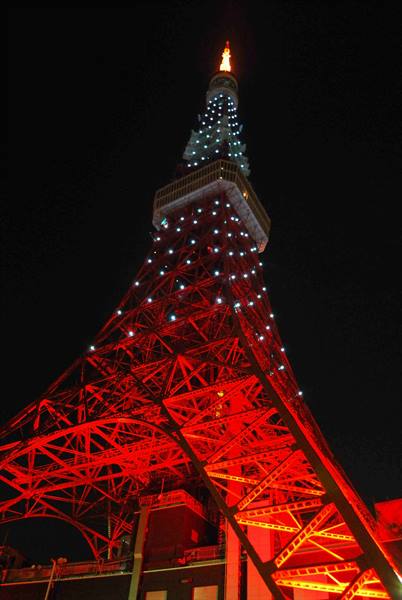
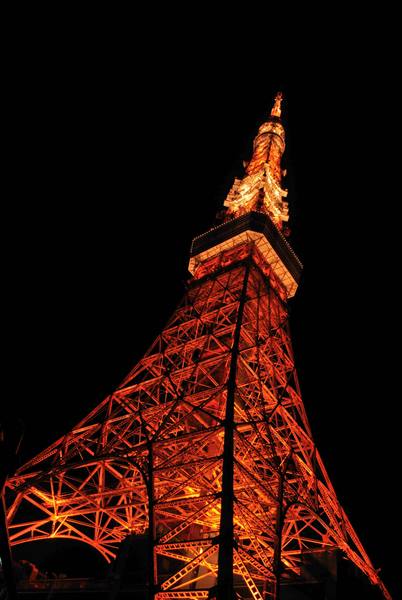
I warmly recommend the walk on the bridge, it takes about 25 minutes to cross it, because you'll be able to take wonderful photos of the city skyline. Of course, the sunset and evening hours are the most fascinating. In the marina area, ask passersby how to reach the Statue of Liberty: no, I'm not mistaken with New York. Just ask, and then you'll be left open-mouthed by this (yet another) reproduction of the famous American landmark known throughout the world. Shiba Definitely worth seeing is the Tokyo Tower, an evocative tower 333 meters tall and built in 1958 for television broadcasting. It's strongly similar to the Eiffel Tower (strange, no?) and you can go up near the top to admire the panorama (about 9 euros until 10:00 p.m.).
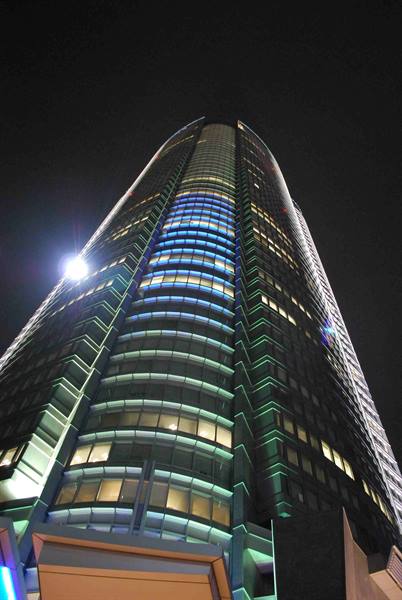
Honestly, the most beautiful spectacle is down below, because the entire structure is illuminated with shifting chromatic effects, surely fascinating and better than the view you can enjoy from above (for which we refer you to other sites) Rappongi It's the new part of Tokyo where there are enormous multifunctional centers, and in particular Roppongi Hills deserves a mention. A complex of 230 among shops, restaurants, cinemas, hotels, residences, an art museum and an observatory. In particular the observatory is the main attraction for tourists, the Tokyo City View, that is, the chance to have a view over Tokyo from the top of the tallest skyscraper in Roppongi. The cost for the ascent is 1,500 yen (about 15 euros), and you can go up until 11:00 p.m. (midnight on weekends). Shibuya It's surely one of the most well-known areas of Tokyo.
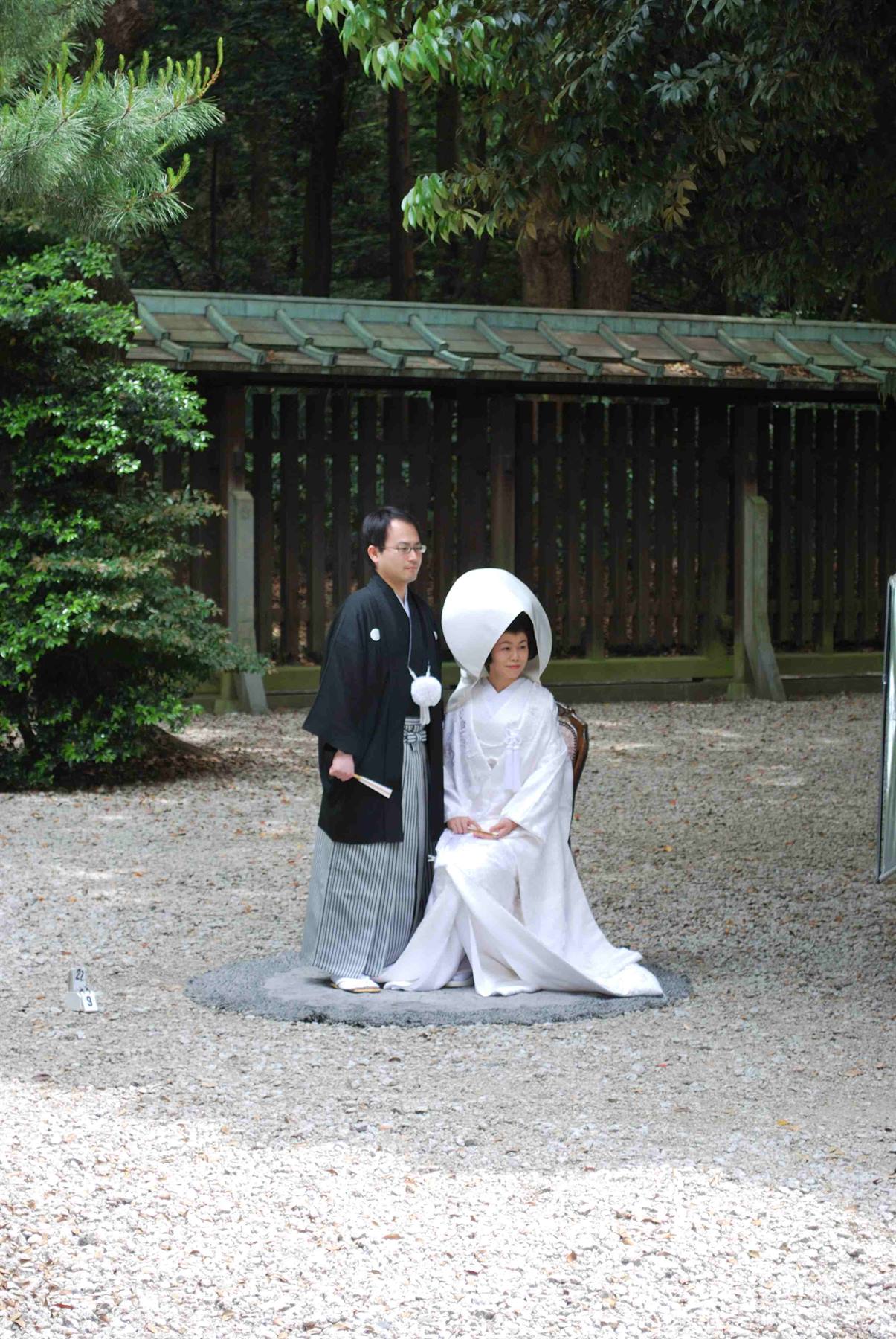
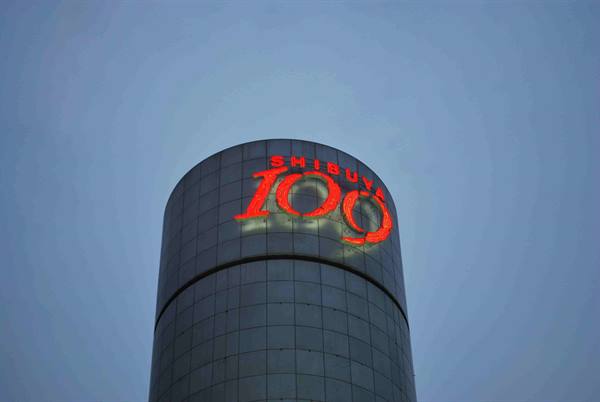
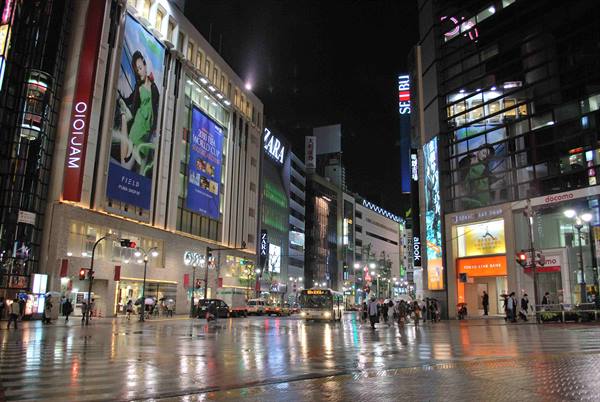
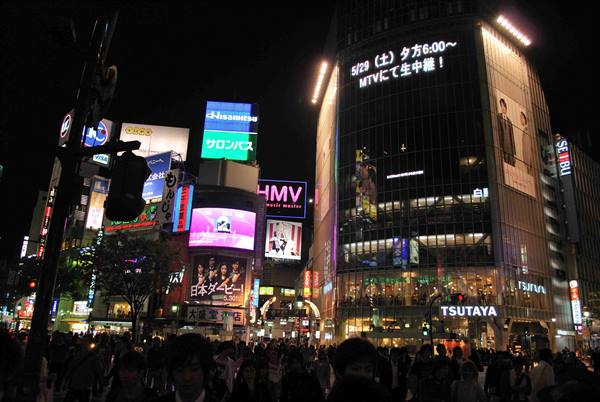
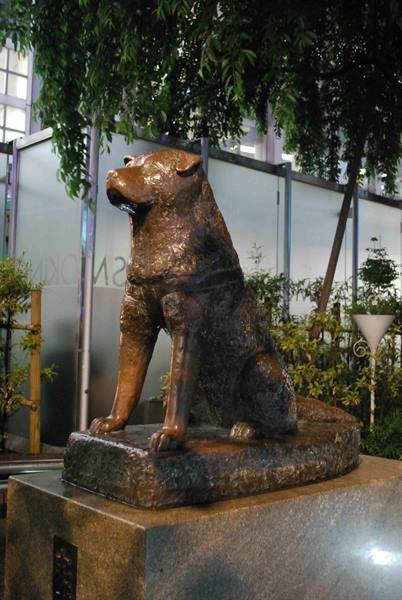
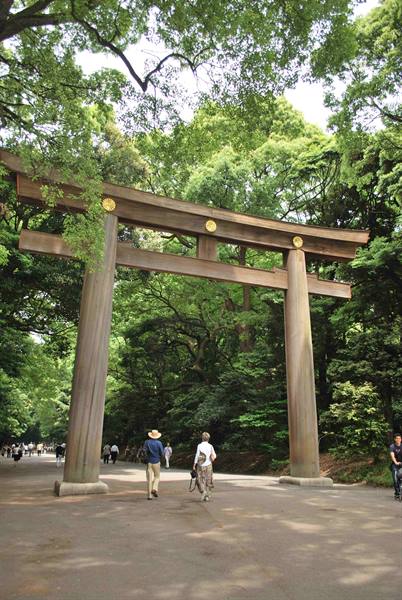
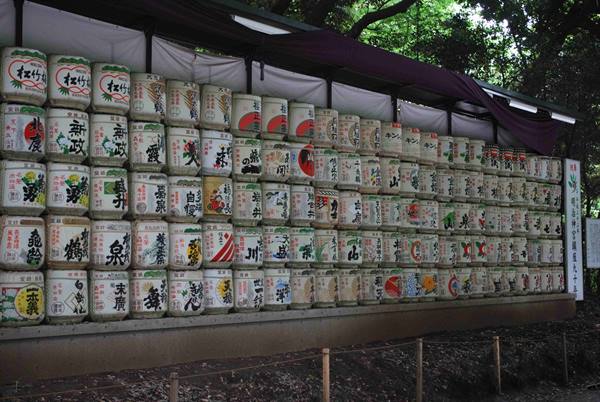
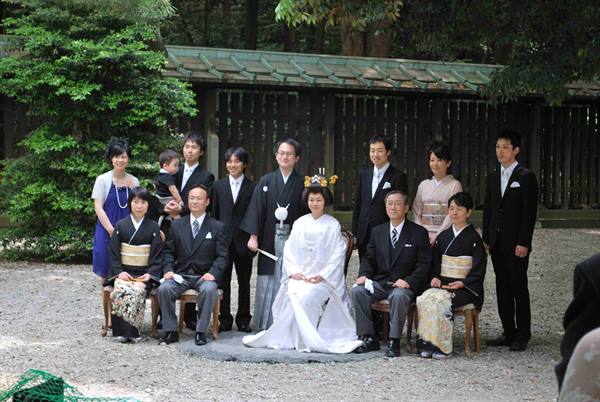
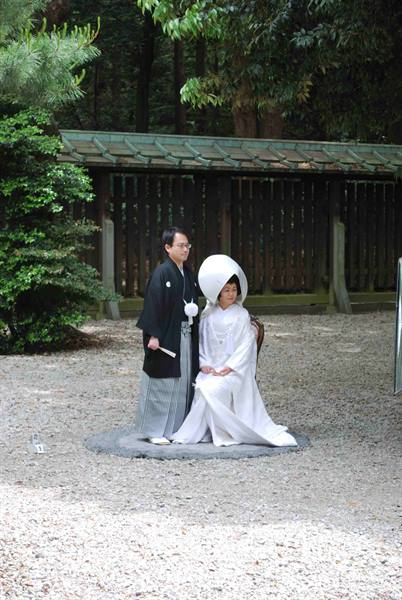
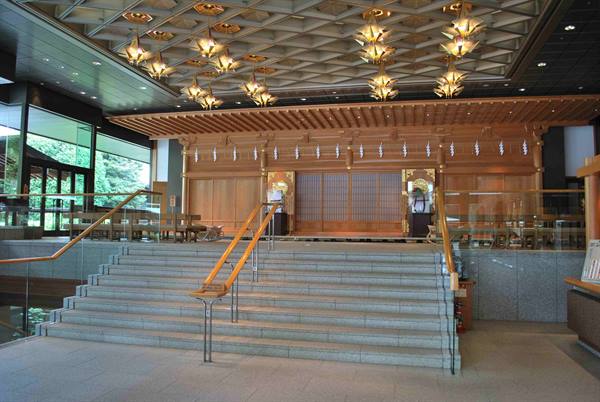
The Shibuya metro exit will take you right in front of the statue of Japan's most famous dog (and after the film with Richard Gere, I'd say even beyond), that is, Hachiko. For 10 years the dog waited for his master's return at Shibuya station, a futile wait because the master had died of a heart attack during a lecture at the University of Tokyo. Also important is the intersection you find in front of the subway station, one of the largest in the city and filmed by all self-respecting newscasts and documentaries: crossing it with thousands of people is a unique emotion that you absolutely must try. The Shibuya area, however, is also famous for other attractions: 1. Yoyogi Park. A beautiful and very well-kept city park that houses a sacred Shinto shrine, the Meiji Jingu, built in 1920.
I recommend a visit during the weekend, because you'll surely witness numerous weddings and baptisms in full Japanese style. Beautiful are the newlyweds who clearly rent the bridal kimonos and then take traditional photos in the park in pre-made sets. Paradoxically, compared to the number of people who usually live in Japan, the wedding processions don't seem to be a very interesting attraction; the number of onlookers is much lower than what we usually see in our country. Unless you're an invited guest, you can't attend the religious ceremony, but it's surely
Onsen
Day 419 May 2010
Story
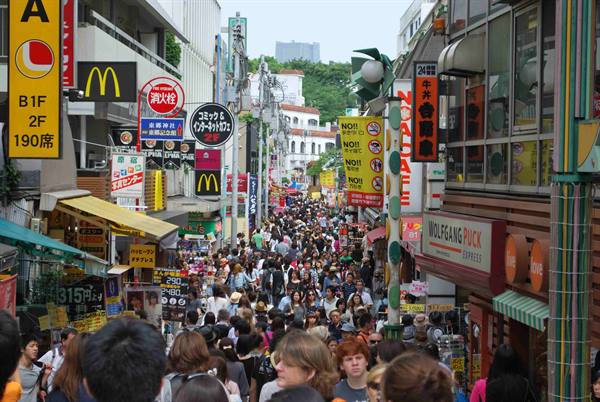
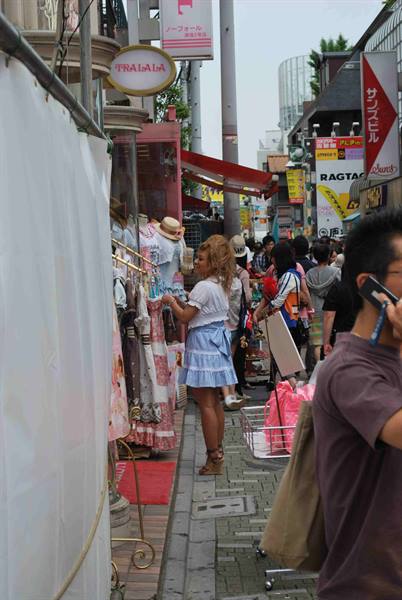
2. Omotesando. It's one of the streets most frequented by lovers of "in" shopping, where there are famous and emerging designers, antique shops and clothing stores for young people. It's a very wide street with trees that vaguely recalls the French Champs Elysees without losing anything in the comparison. In the various side streets there are many places to eat and to get an ice cream or a crepe. 3. Takeshita Dori. This is one of the craziest streets in the city, where there are thousands of frenzied teenagers strolling about, drawn by the colors, sounds and shouts of the shop assistants who catch their attention promising deals, discounts and 3-for-2 offers. There are also many sandwich-board kids going around advertising the store and directions to reach it.
It's a real spectacle, these teenagers dress like crazy: girls with bleached hair and all strictly in vertiginous miniskirts, white patent leather thigh-high boots, perfectly made up... we nicknamed them "dolls," because in reality they're real dolls you'd stop to watch for hours just to admire the perfect details in their entire style. Coordinated to the point of implausibility, the perfection extends even to having their cell phone charms matching their shoes and bag. If you don't see them, you won't believe it!! 4. Harajuko. This is the bridge that connects Yoyogi Park with Omotesando. Every Sunday, better in the morning, but the show drags on until the afternoon, even if rainy as in our case, dozens of girls bring to life the spectacle of the cosplay-zoku, that is, groups in gaudy costumes.
It's not an organized event but a spontaneous collective movement in which teenage girls take part who are said to have socialization problems and for this reason identify with a fictional character, achieving a psychological independence otherwise difficult to obtain. For this reason you'll see girls dressed in the most improbable ways, as astronauts, as Star Trek characters, as manga characters (of course), as goths, and the most popular character, the goth-loli, that is, the gothic lolita. You'll also see teenagers dressed as nurses with eyes crying blood (fake) and wearing white plastic platform shoes several dozen centimeters tall. Everything of course is free to be photographed, the girls are there precisely for that: we saw that there are no problems, but it's better if you ask them directly.
There will be no refusal, and above all you can even take a souvenir photo with them (though I must say that the spectacle after about ten minutes becomes rather sad and melancholic, almost an out-of-season carnival) 5. Shibuya Center Town. After crossing the Shibuya intersection you'll be catapulted into a mega triangle of shops that sell gadgets and clothes for teenagers. The most famous shopping center (7 floors) that I warmly recommend you visit is Shibuya 109. It's a concentration of extremely consumerist teenagers with screaming, heavily made-up shop assistants trying to attract customers into their stores. The prices for not exactly designer outfits are really high and for our pockets they're truly prohibitive. But it's clear that spending for the Japanese is surely higher than ours, and they all come out with bags full of trophies to wear. 6. Love Hotel.
In Shibuya there's the largest concentration of love hotels, that is, the famous Japanese love hotels. They're hotels that rent rooms by the hour to grant a bit of intimacy to young couples in love. They're rather kitschy, and many are similar to gothic castles, others have rooms with heart-shaped beds, others instead are hi-tech. Everything can be taken for a few hours or for an entire day, and the prices are fairly in line with normal ones, about 80-120 euros for a full night. Ginza It's the part that personally struck me least, even though I had high expectations. It's the neighborhood where the biggest names in world fashion converge and where international brands have their headquarters. Sony also has its headquarters in Ginza, with an imposing skyscraper that can also be visited.
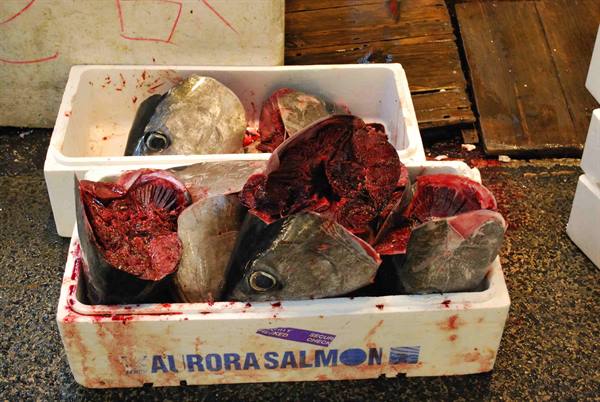
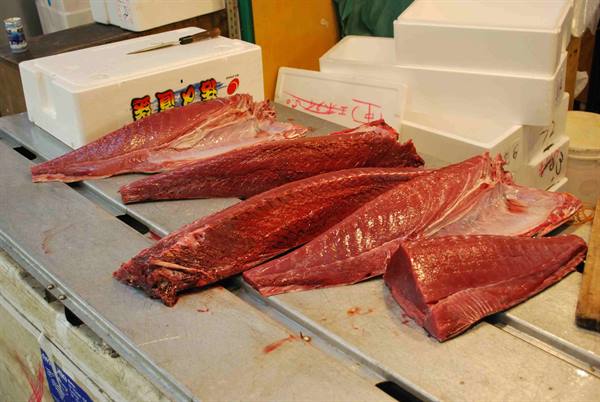
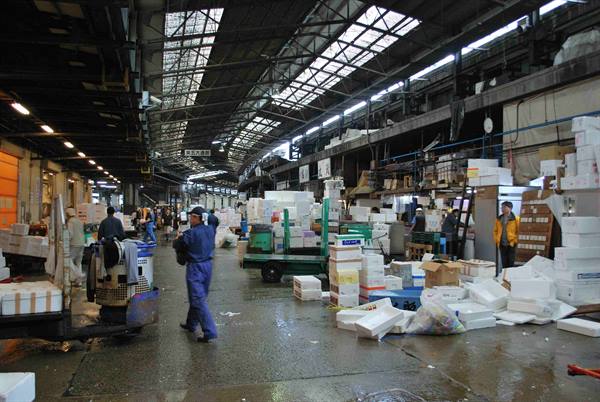
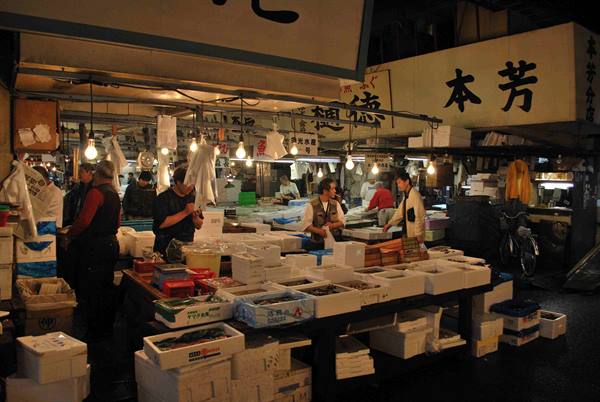
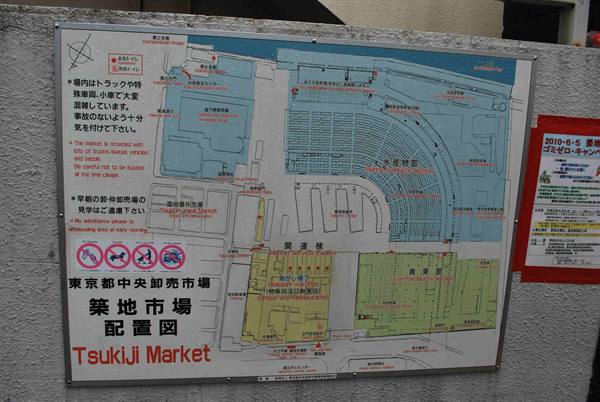
If you want to satisfy the whim, by all means take a stroll around the area and look at the shop windows, but don't fall into our mistake, that is, stopping to have a coffee because you're exhausted by the rain and fatigue. Sitting in a café for two coffees (good ones) cost us 7 euros each! I can imagine how much a night in a hotel or a dinner in a trendy restaurant there might cost. Fish market The Tsukiji Market is surely one of the most well-known places in the city, since it's the Tokyo fish market, located right in the Ginza neighborhood. The place is famous for the auctions of bluefin tuna used for sushi and sashimi, but because of idiotic tourists this place is no longer open to the public. To attend the tuna auctions there's a maximum limit of 140 visitors per day divided into two shifts of 70 people: the first shift at 4:15 a.m., the second at 5:00.
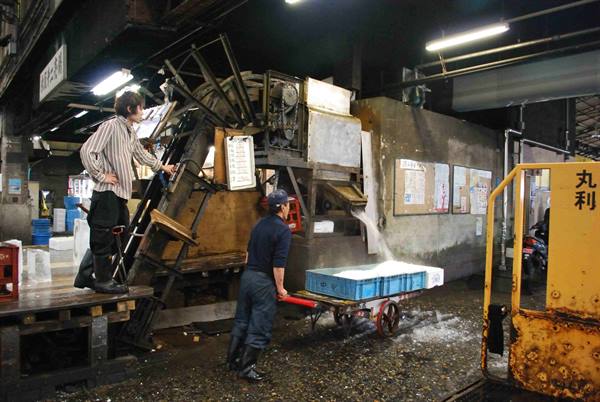
The auction lasts 45 minutes, and you watch the bargaining followed closely by a sort of tutor (it seems some idiot tried to intervene in the auction, influencing the price). For those who can't get in (or can't get up at 3 in the morning), I recommend going to the fish market anyway around 9:00, when public access is allowed in the (immense) area of the wholesalers' market. You can't buy minute by minute, but you can walk among the stalls loaded with ice and fish, taking a look and taking photos. Watch out for the forklifts speeding crazily among the stalls and honking to warn careless, distracted visitors, so you don't get run over. It's a truly powerful emotion to see these people working the fish with remarkable skill but who above all are marked by the harshness of a fisherman's life.
Watch with devout respect, and no one will say anything to you; on the contrary, someone might even smile when you snap dozens of photos of bluefin tuna heads as big as half a calf. Inside the market there are also numerous sushi bars where you can enjoy sushi and sashimi in countless variations, obviously fresh and at truly paltry prices compared to Italy. If you don't want to stay inside the market, I recommend taking a stroll in the adjacent retail market, where you can enjoy sushi and sashimi in slightly larger and surely more comfortable settings. For 15 euros you can have a real feast of sushi and you'll feel the scent of the sea under your teeth. If you can, sit at the counter, because the spectacle of sushi preparation is, in my opinion, by far more interesting than the finished product. Marunouchi It's the area of the Imperial Palace, and so it's definitely worth a visit.
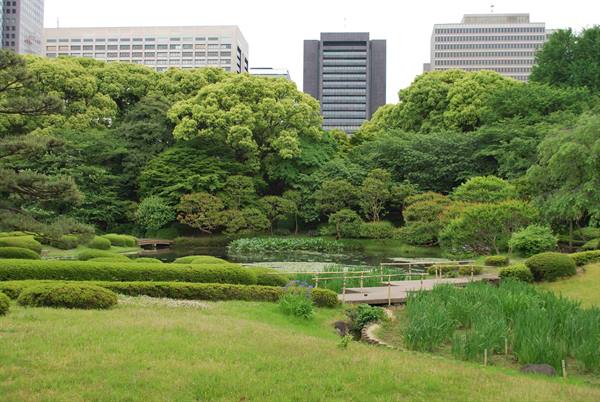
The Palace (nijubashi) isn't open to the public and is hard to see even from the outside. In reality access (free) is allowed only in the area of the very well-kept and decidedly beautiful gardens. A nice walk is surely a cure-all after the chaos of the city, but surely if you expect a "Buckingham Palace"-style visit you'll be disappointed, because there will be nothing Royal in everything you visit (except the crows, which are close in size to a medium-sized dog!)
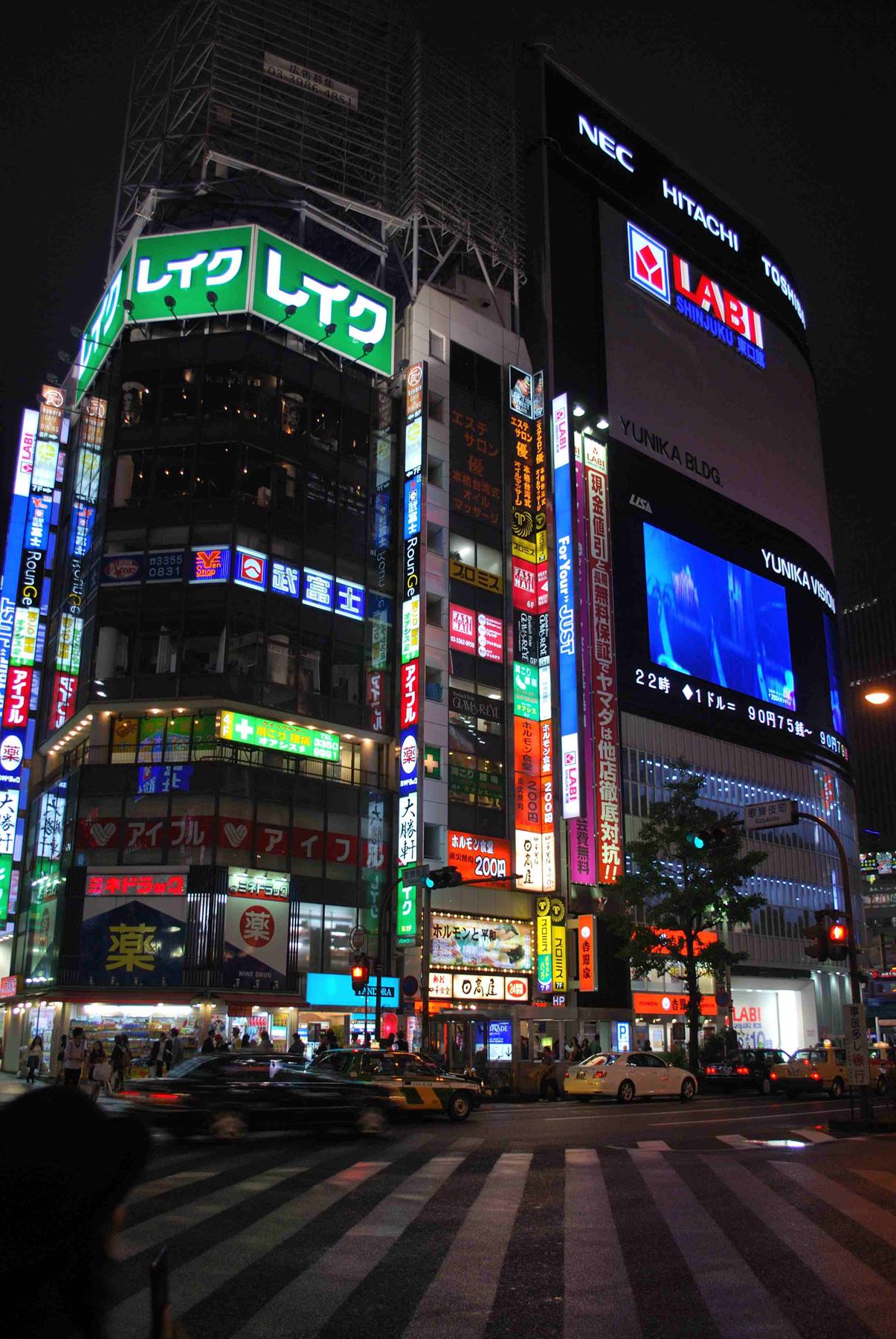
Tokyo by night
Day 520 May 2010
Story
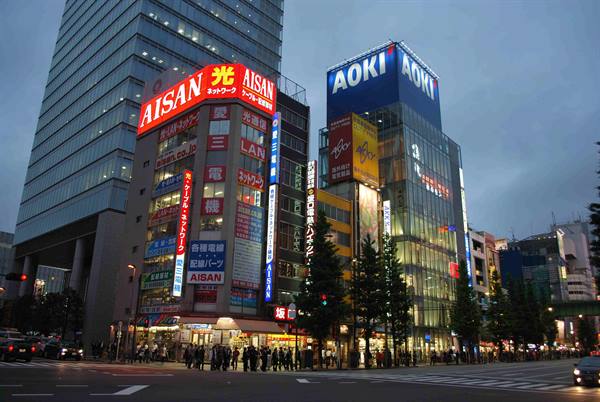
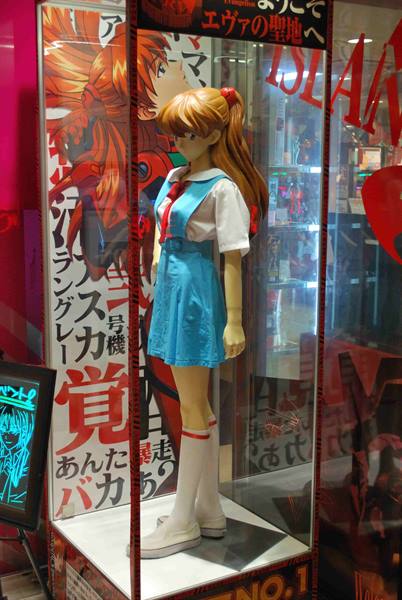
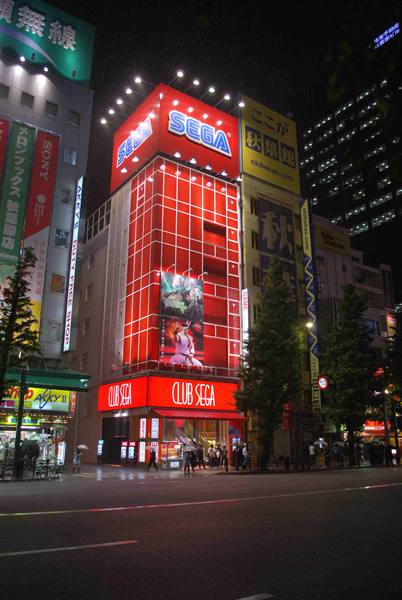
Akinhabara This area stuck with us for the famous district known as "electric city." In fact there's a large concentration of electronics stores, some truly imposing with 7 floors of all the latest novelties from video cameras to cameras to HD LCD TVs to robots. Of course everything is hyper-colorful and fascinating, like the neon signs advertising all the latest in video games for PSP, Sega and more. To tackle this experience, take the metro and get off at the Akinhabara stop and head north. There are also many Chinese shops with gadgets of every kind, some truly stupid, others more interesting. There are also many shops entirely dedicated to the world of manga, with comics, DVDs and life-size dolls. It feels like being inside a big video game, but in reality you're in the Electric City district of Tokyo.
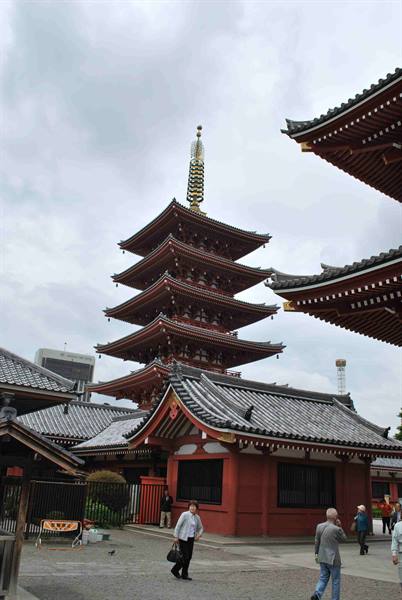
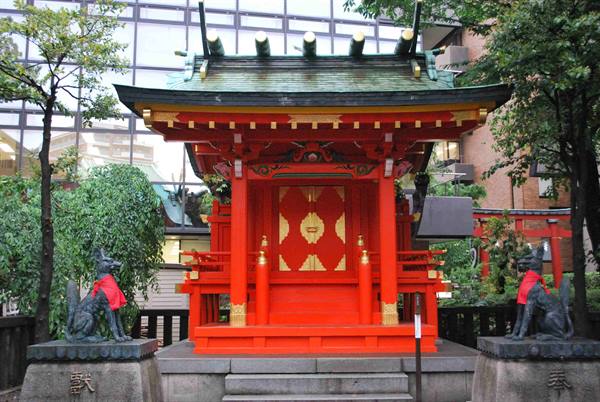
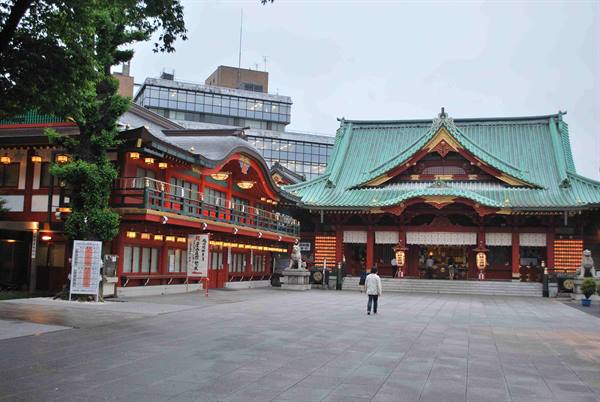
Within this district there's also an important Shinto shrine called Kanda Myojin, dating back to 730. Very evocative in the evening when there are small ceremonies you can attend without disturbing people, of course. Uena We didn't enjoy this area much, because the rain prevented us from fully appreciating the area's main attraction, namely the parks. Ueno Onshi Park is surely more beautiful on a sunny day with its little lakes and the chance to rent small rowboats for a romantic outing. Unfortunately none of this was possible, and so Ueno remained only in our hearts. Asakusa It's the area where the city's most famous temple is located, namely Sensoji Temple. This is the oldest temple in the city of Tokyo, built in 628. It's surely evocative, though rather crowded both with locals (numerous school groups) and tourists.
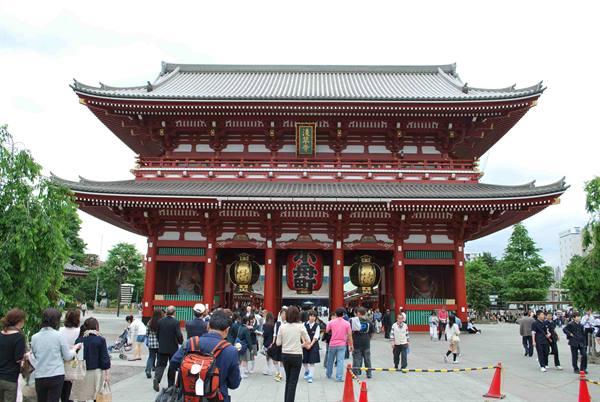
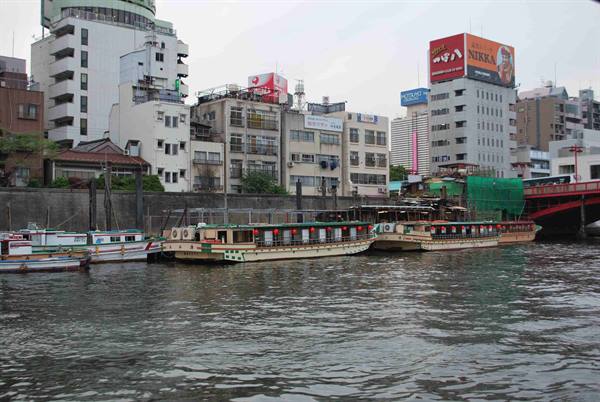
The Kaminarimon gate is entirely built of wood, and the mega lantern affixed at its entrance is a true symbol of the city. Also interesting is the street leading to the temple called Nakamise, where there are over 90 shops selling Edo-era souvenirs and also numerous stalls for eating sweets. At the exit of the Akakusa metro you'll also find some decent guys offering rickshaw rides (rather expensive, around 20 euros for 15 minutes). In this area I want to point out two other interesting things: 1. Asahi Breweries. It's a building built on the banks of the Sumidagawa River that they say resembles a glass of beer with a golden mustache on top. It's rather hard to see that it's a glass of beer, but it's surely a way to get close to the river to do the following tour 2. Sumidagawa River. Right near the subway station there are the boats that depart for a tour on the Sumidagawa River.
They're rather nice to do especially in the late afternoon (be careful, because the last one departs at 5:30 p.m.) and they go as far as Shiodome at Hinode port (near the U4 metro stop). The tour lasts about 40 minutes and costs around 8 euros. If you take the rides before 5 p.m. you can also choose to get off at the previous stop, that is, Hama rikyu, and admire the splendid gardens, but of course we didn't know that and took the last ride....
Ikebukuro It's the area where we had our hotel, but paradoxically it's the one we discovered at the end of our vacation. The area is very upscale and quiet, and I must say that the choice of our hotel was truly right. The Metropolitan Commercial Center is a mega shopping center, also quite useful for buying anything you need. Two things we think are worthy of mention: 1. A Toyota dealership that displays over 200 vehicles and is 7 floors tall 2. Sunshine City, that is, a mega shopping center (where the above-mentioned Toyota dealership also is) and where from the observatory you can enjoy a beautiful panorama of the city of Tokyo for about 7 euros (with no line at all, considering that normally it's outside the traditional tourist circuits). Very evocative are the young ladies who accompany you to the observatory, all dressed in late-'50s Doris Day style
Tokyo Bay
Day 620 May 2010
Story
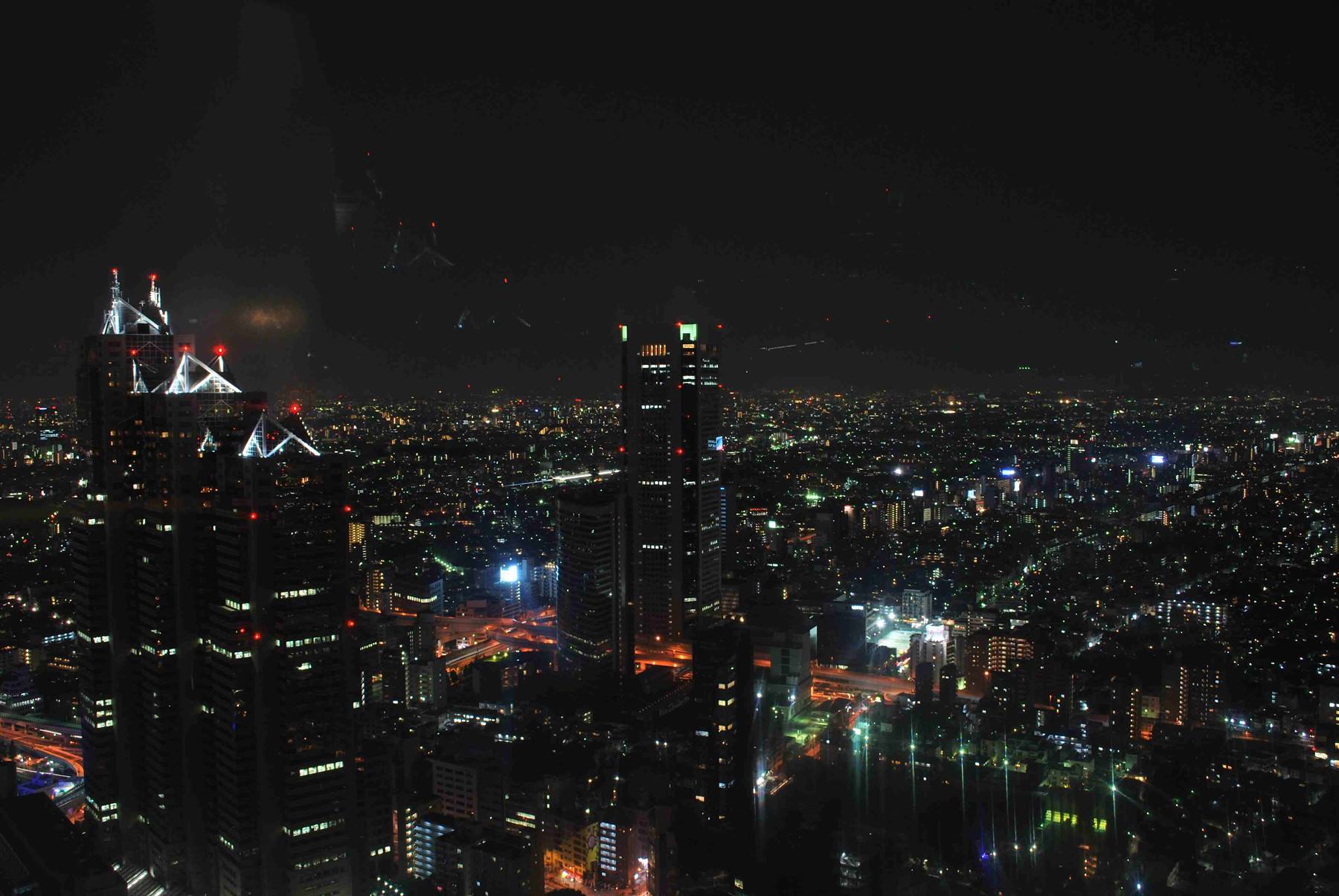
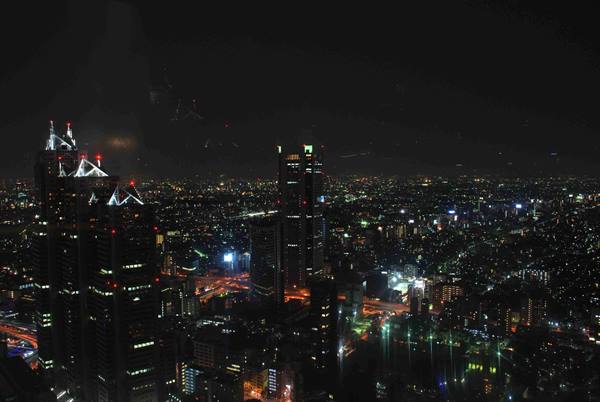
Shinjuku This is another milestone of Tokyo, a neighborhood that will undoubtedly take up a lot of your energy during the visit, because it's interesting and also quite large, and it deserves to be seen at different times of the day. Let's see what interesting things we saw in the most eccentric and varied neighborhood of Tokyo: 1. Tokyo Metropolitan Government. It's the seat of Tokyo's city hall, and it's the place that in our opinion should be preferred for admiring Tokyo from above, if it weren't that it's free! In fact, like all public facilities, the city hall also doesn't require an entrance ticket, and so you can go up to the 45th floor of the skyscraper to admire Tokyo. The towers are open until 11:30 p.m., and you have to be patient because of course there's a bit of a line, not a huge one I'd say.
To go up you manage in 15 minutes; much more problematic we found the descent, where we patiently waited about half an hour. There are also security checks at the entrance, so you'll have to show two diligent and friendly policemen the contents of your backpacks and bags. On the top floor, besides admiring the panorama, you can also enjoy a nice drink or eat something at the restaurant, or shop for souvenirs at the numerous little stalls set up (obviously tons of manga and cartoon gadgets in general). Moreover, there's also the chance to put a special commemorative stamp on your postcards that specifically commemorates the Tokyo City Hall 2. Kabukicho. This is surely the most talked-about and questionable area of the city.
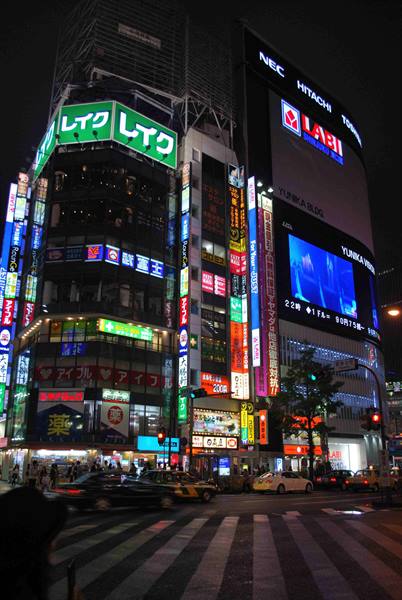
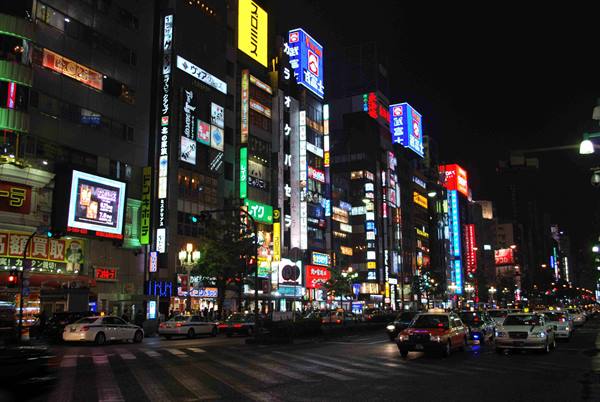
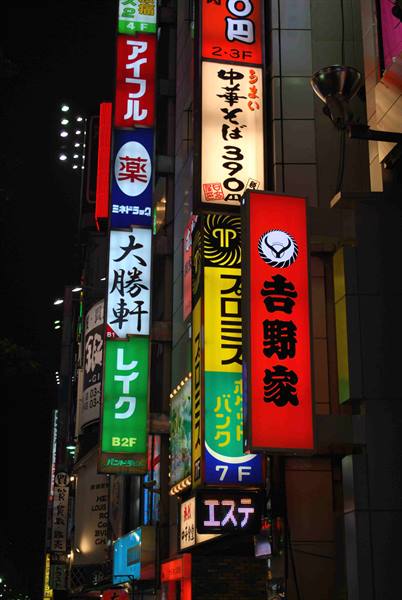
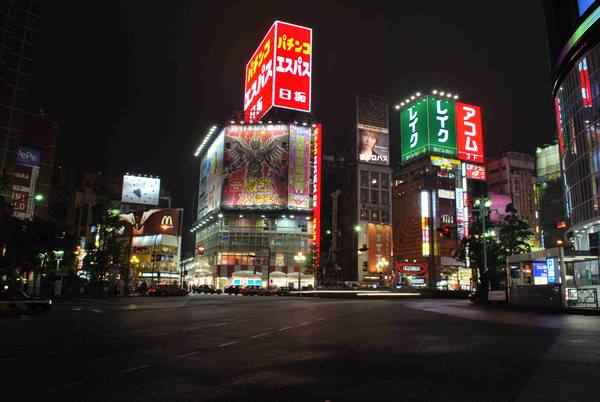
We considered it, as some local guides do, the entertainment district of Tokyo, where you can dance, eat until late, drink and sing at the numerous karaoke places, or see a striptease show. In the Lonely Planet it's described as Tokyo's red-light district, dangerous and in the hands of the notorious local mafia, the Yakuza. We absolutely didn't have the feeling of any discomfort or danger, and it's a far cry from the red-light district of Amsterdam or Brussels. There's no squalor, there's no problem. Moreover, the numerous bouncers standing outside the venues will never bother you, because they wouldn't know how to communicate with you, and only if you're the one asking about the type of show or simply for information will you be sent inside.
In my opinion it's nothing exceptional, but it deserves a nighttime visit just to see the local youth spend 30 euros to go to karaoke (back home no one would go even if paid!) 3. Electric Street. After Electric City, here there's the "street" variation. It's a much smaller area located right in front of Shinjiuku station, but some shops are very interesting, true landmarks of the city like Sakuraya, Bic Camera and Yodobashi Camera, obviously specializing in digital cameras of all kinds and latest-generation video cameras. In this case too it's worth a stroll, because the variety of products is virtually infinite. Moreover, around electric street there are many interesting little places
Japanese wedding
Day 721 May 2010
Story
Conclusions A beautiful city but above all the people are wonderful. Tokyo seemed to me like a New York of the East, much cleaner and certainly safer. The people were fantastic, I'll carry them all in my heart, and a special thanks to the girl down in the metro who led us to the train line while she was walking quickly...in the opposite direction!!! Too bad about the weather we had, but of course that's part of the risks of trips and we can only take whatever comes. We hope to return one day with a little more time and with the chance to enjoy the wonders of Japanese nature too. Sayonara!!
0 reader comments