V Tripscoop
Tripscoop›Asia›MYANMAR›the magic in a smile!
MYANMAR · Asia

the magic in a smile!

STstellina_latina ·37 photographs ·27 Feb 2005 – 16 Mar 2005 ·18 days
Where
Yangon, Mandalay, Inwa, Sagaing, Amarapura, Mount Popa, Bagan, Kalaw, Inle Lake, Kengtung
When
27 Feb 2005 – 16 Mar 2005
18 days · trip of 2005
Who
Elena · @stellina_latina ·
How
Travel diary
The story · 2 days

Yangon Mandalay, Inwa, Sagaing, Amarapura Mount Popa Bagan Kalaw Inle Lake - trekking Golden Triangle: Kengtung - trekking Yangon

ps I have decided to delete the long account I had posted (more than 20 pages), replacing it with a shorter one. for all those who would like more or more precise information, left out in this version, do not hesitate to contact me!

happy travels to everyone!

Day 127 Feb 2005

I parte --> Mandalay, città imperiali, Bagan e lago Inle

After months of preparations here I am, finally, at Malpensa with my heart in my throat, heading toward a country full of exotic charm in the company of my friend, and expert travel companion, toward Myanmar. In the backpack there's room only for the essentials: after all we're heading to a country where subsistence is made a virtue to develop the soul. As soon as we land in Yangon, the capital of the State, we're welcomed by officials impeccable in their military uniforms, we head toward stalls where you can bargain for everything, from plane tickets to currency exchange, where we take the opportunity to buy the flight to Mandalay and to change some dollars into kyats, making the most advantageous exchange of the trip. Bargaining in Asia is an art, particularly in Burma. Yes, because not only do you bargain dollars and kyats at the same time, but also with various objects.

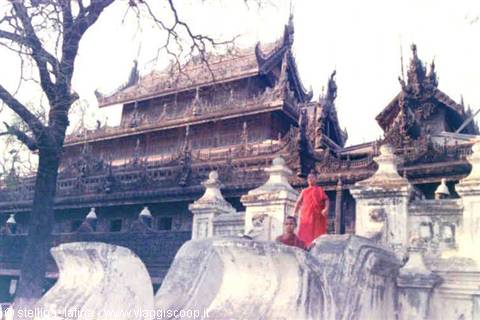
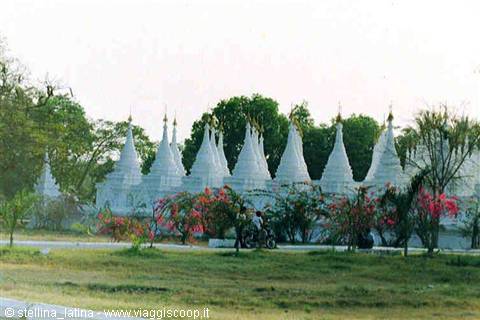
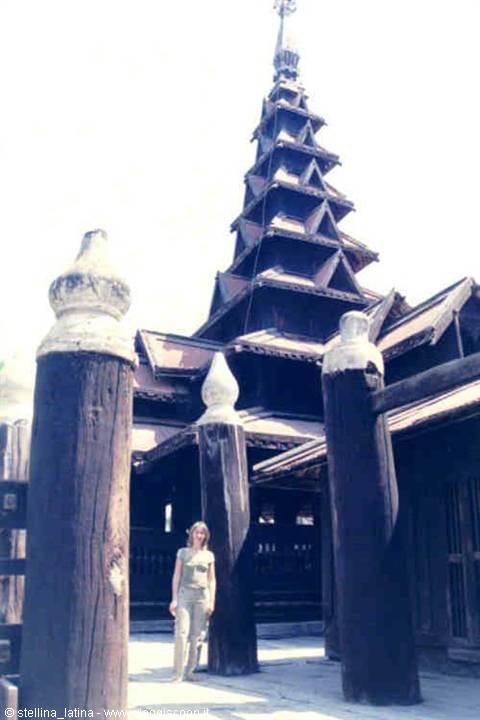
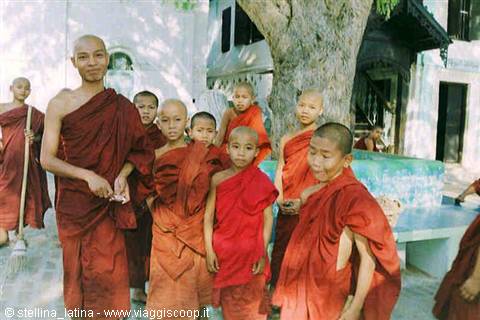
For a B&B room we added to a few dollars two perfume samples and some ballpoint pens. Thus we begin the discovery of Myanmar from Mandalay, which boasts interesting monuments such as: the unmissable Golden Palace Monastery, entirely in teak wood finely carved and imbued with the prayers and meditation that are practiced there, the Largest Book in the World, a stretch of small, very white pagodas truly evocative. The best way to enjoy the sunset over the city is from Mandalay Hill: walking barefoot along the immense labyrinth of stairs, you find yourself enveloped by the chatter of craft sellers, by the smell of food cooked on the spot, by the incense coming from the many altars. The monks greet serenely, the children laugh and play and the couples go up to share the romantic moment hiding shy smiles behind their delicate hands.

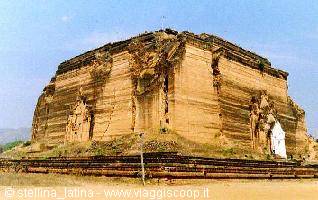
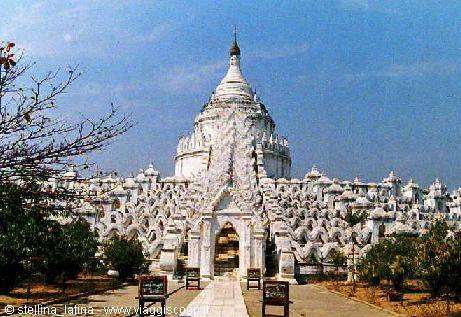
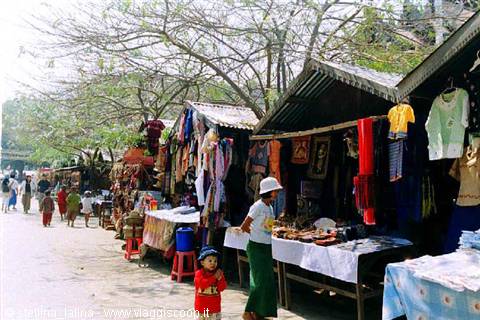
The optimal means to visit the city remains the characteristic tuk tuk. Worthy of particular interest, for their historical, artistic and religious value, are the imperial cities. To reach the first, Mingun, you have to cross the great Ayayarwady river, you're welcomed by a small crowd of tenacious vendors of longyi, traditional clothes, and local crafts. Particularly interesting is the imposing Mingun Paya which seems carved into the rock; climb to the top and stop to admire, with the breeze in your hair, the spectacle from the top of the river and the whole site. Try to climb alone, the white and elegant stairways of the Hsinbyume, to be able to immerse yourself in total silence and the contrast of the gold of the Buddha sparkling from the candles, the white of the undulating balconies and the intense blue of the sky scented with incense.

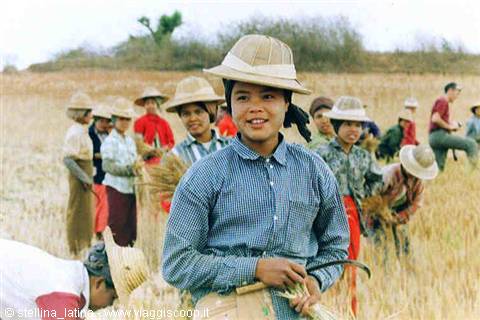
Inwa, the second imperial city, is an island to tour in an "Oscar," that is in a carriage, with monasteries and evocative ruins where it will be possible to meet the inhabitants, always kind and busy with farm work. Visit Sagaing, a famous religious center, and an excellent opportunity to spend time conversing with the monks. At the end of the day it's exciting to witness the most evocative sunset of all Myanmar, at Amarapura, on the U Bein teak bridge, in which all the shades of the sun are reflected on the placid waters of the river. The day ends with a memorable dinner at the Universal tea house, absent from all the guides and frequented only by local young people but, precisely for this reason, truly special. We bargain with a driver for the trip to the archaeological site of Bagan.

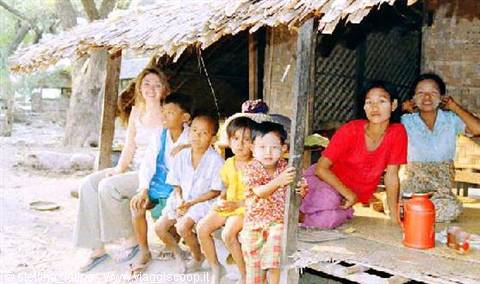
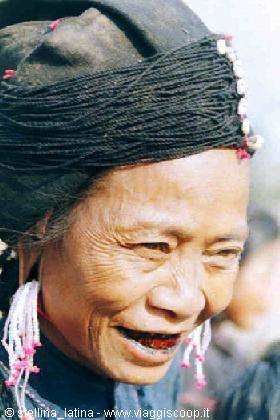
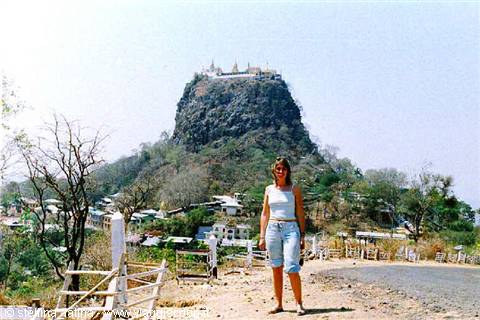
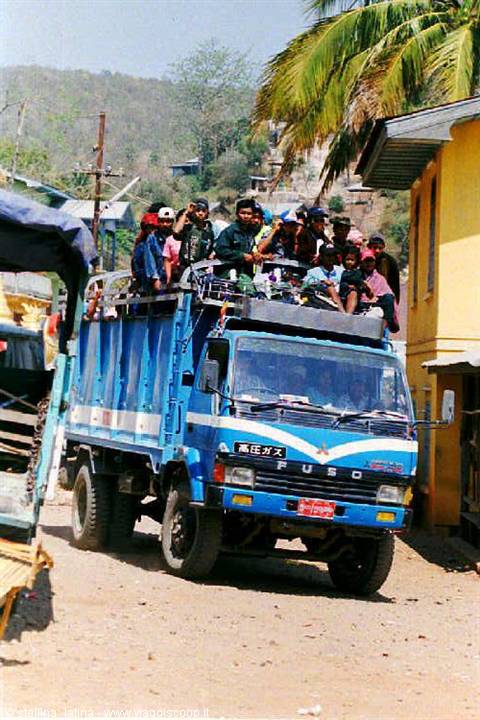
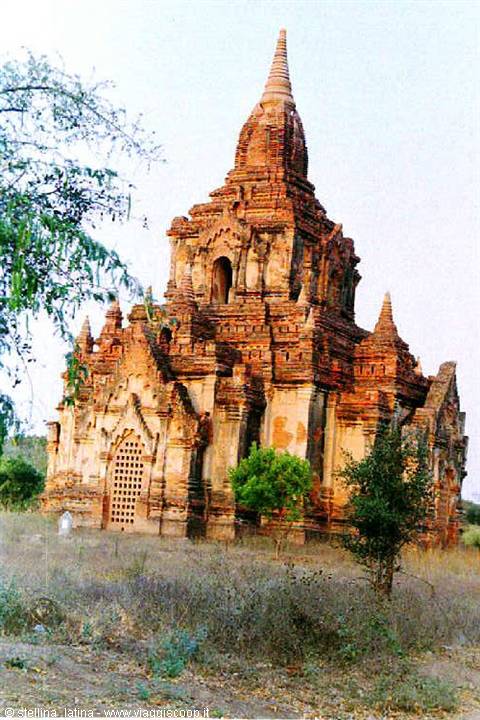
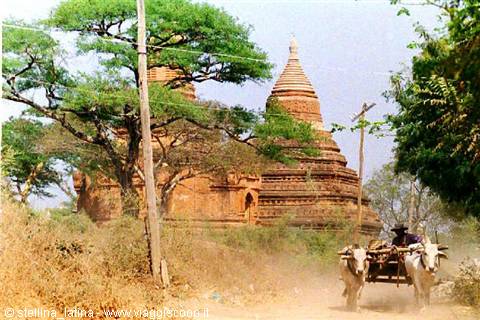
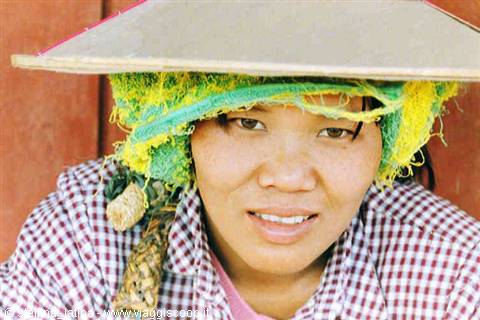
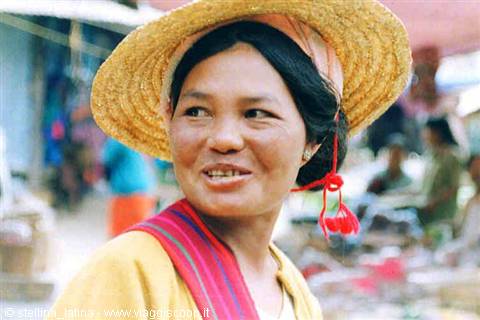
Under a scorching sun we travel dusty roads marveling at the load capacity of the means of transport: from bicycles to trucks, every vehicle is crammed to the impossible with people and goods. Crossing the country by car allows you to make unexpected stops, so it happens that you discover incredible faces, eyes and smiles. Along the way we stop at Mount Popa, an extinct volcano that rises 737 meters above the plain, famous home of the spirits. The monastery, frequented by Burmese on pilgrimage and inhabited by playful little monkeys, is reached via steep steps hard to climb under an oppressive mugginess. After this brief stop we enter Old Bagan, paying the 10 dollar entrance fee. We choose the Tante, a beautiful hotel in the middle of the archaeological site with small cottages and a pool. We then reach the ancient paye in fired brick that blaze at sunset.

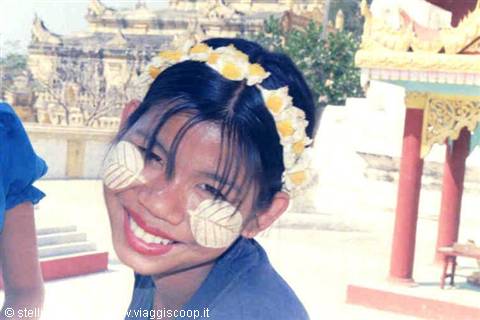
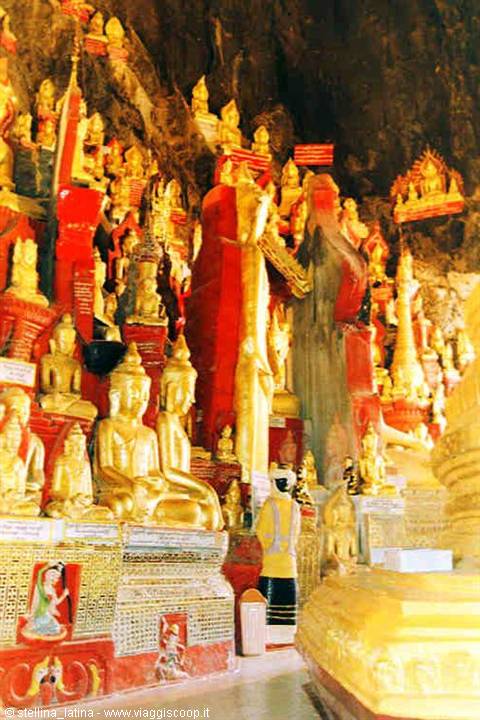
On the main road of the site there are some restaurants of decent quality and excellent courtesy. The next day I get up before dawn and by bicycle, heading using a flashlight, to the tallest paya to witness the miracle of a new day. I climb in the dark on the big and steep steps, to be able to witness the awakening of the jungle. With my heart full of joy for the wonderful spectacle I return to the hotel to have breakfast and, in the company of children met the day before, we visit the site, their fishing village. We leave Bagan with a car that is to say the least decrepit toward Inle Lake. A two-day journey awaits us. The first night we stop in the mountains, in cool Kalaw, famous for trekking. The journey continues with the visit to the five-day market and the beautiful Pindaya Caves, mythological caves filled with Buddha statues donated by the faithful.

We arrive at the scenic Inle Lake, that is at the small town of Nyaungshwe, very touristy, with a
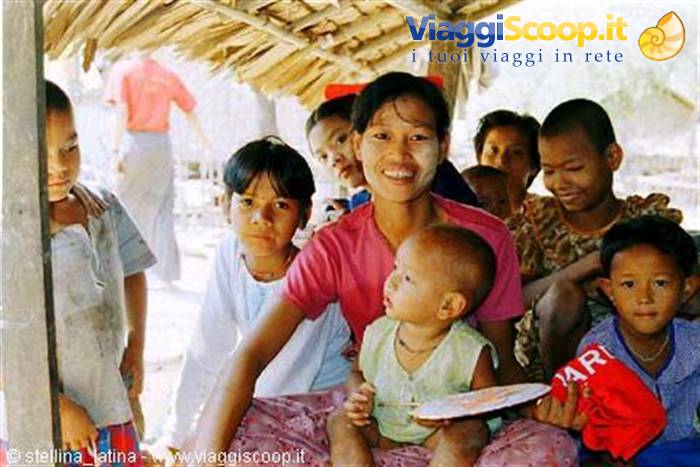
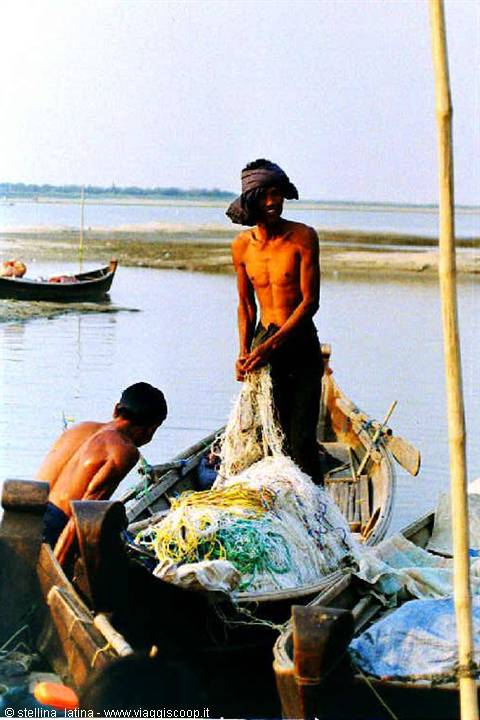
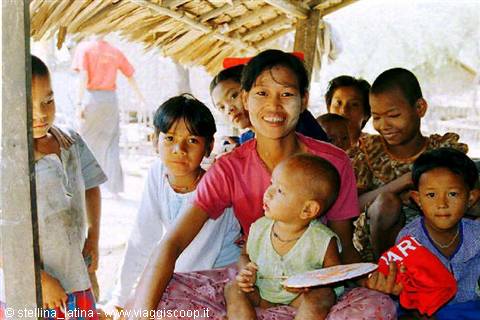
Bagan: in the fishermen's village
Day 227 Feb 2005

II parte -->Triangolo d'oro e Yangon

Finally we set off from Heho airport headed for Kengtung, capital of the Shan states, that is, of the Golden Triangle. It's another Burma: Chinese features, the young people's Western clothes, brick houses, off-road vehicles as means of transport: everything appears richer and the people more reserved and less serene. Despite the greater prosperity, electricity is distributed for one hour a day and running water isn't always available. A happy island is the Golden Banyan Restaurant, with its very good cuisine and charming helpfulness and kindness. At their place we organise the trekking for the following two days. In the Golden Triangle you are not allowed to sleep outside the city and you cannot go on excursions without a local guide; this is so the authorities can control the movements of foreigners.
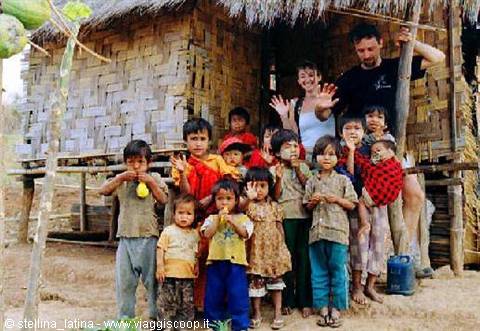
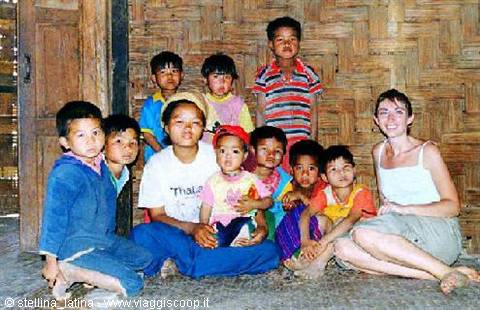
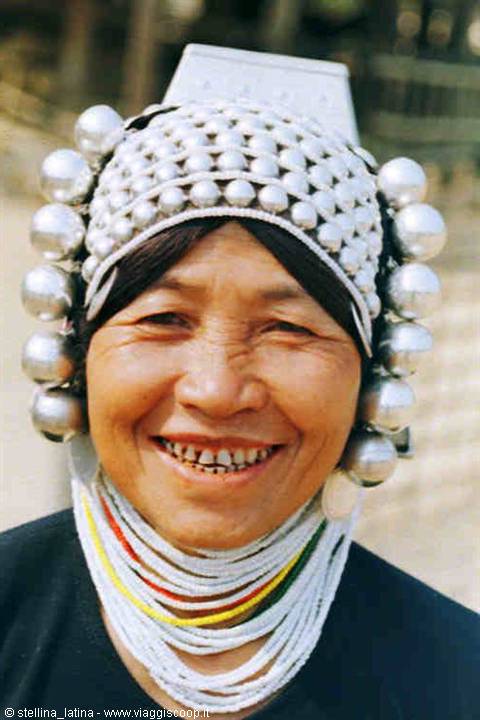
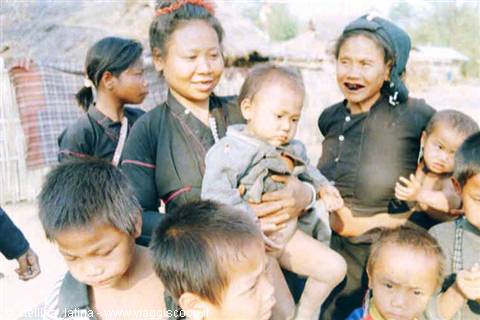
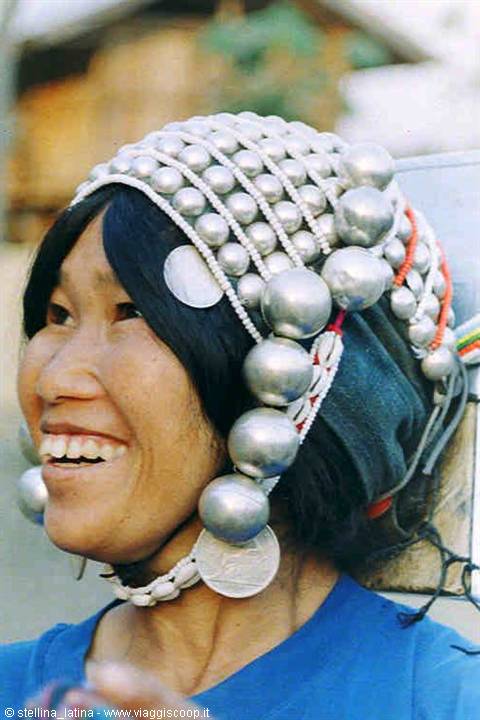
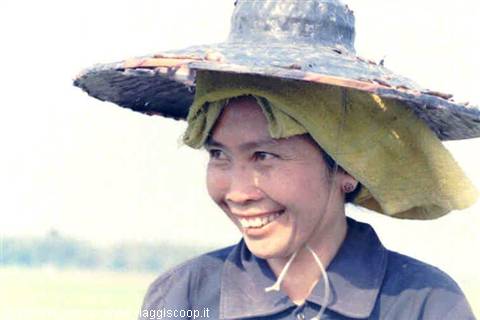
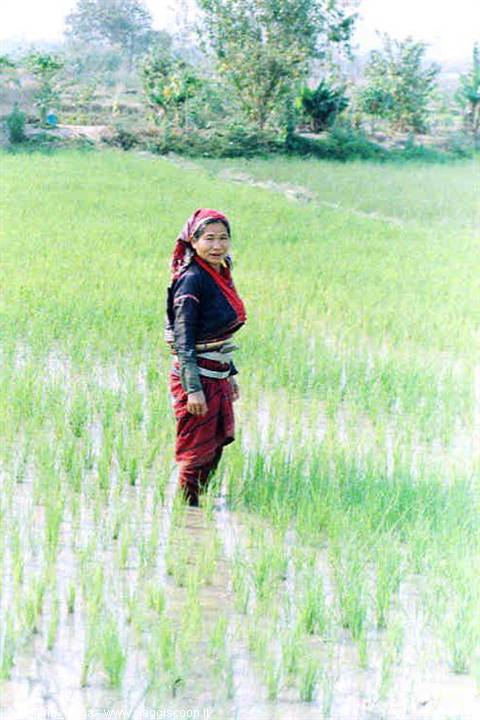
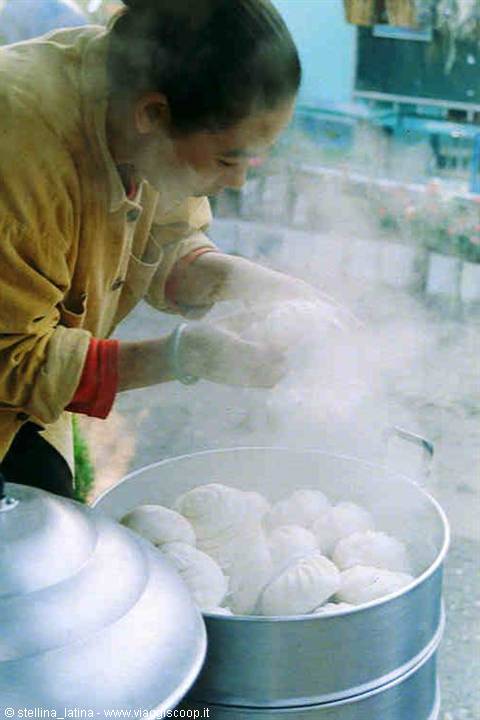
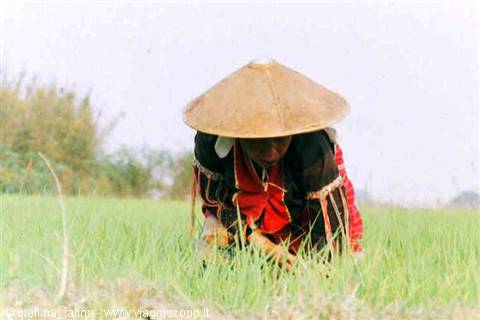
The excursion is done by scooter up to the base of the villages so as to visit a greater number of them. Riding along the dirt roads amid the rice paddies reflecting the incandescent colours of the sunset, framed by mountains shaded by the mist, is incredibly thrilling. They were two exciting days in which we visited villages of the Whan, Shan, Ahn, Akha, Akhu and Silver Paloun ethnic groups; each with its own language, with its own traditional costumes woven inside the village, with its own religion but always hospitable. At the daily market of Kengtung, where you can find goods brought by the village women as well as from nearby China and Thailand, you can make good deals, as well as taste delicious food. Flying towards Yangon you go from 28°C with 30% humidity in the mountains to 35°C with 90% humidity in the Ayeyarwady delta.

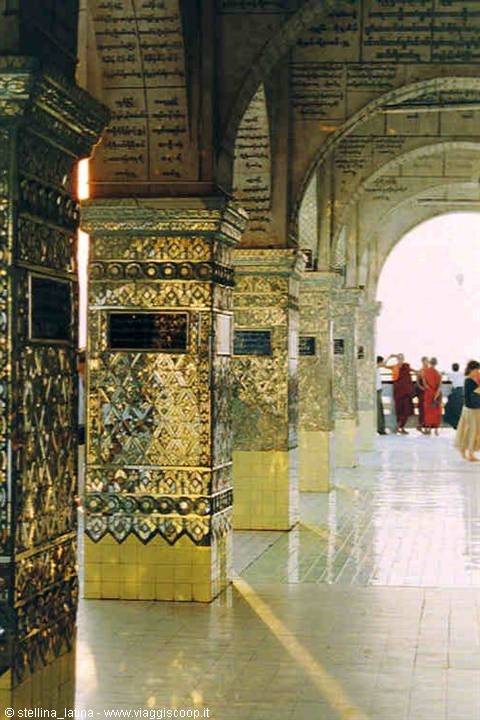
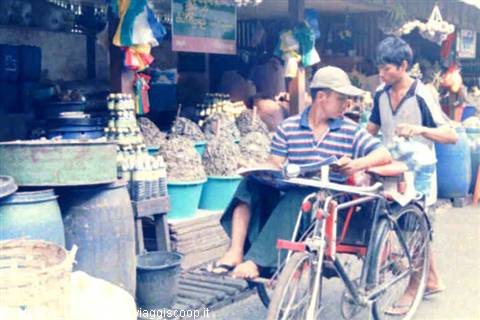
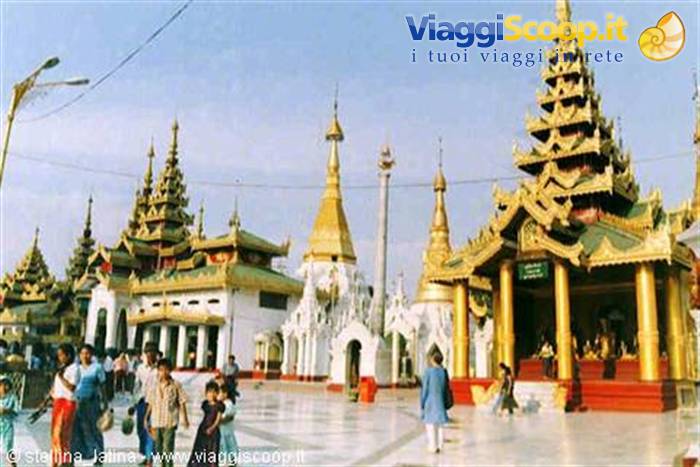
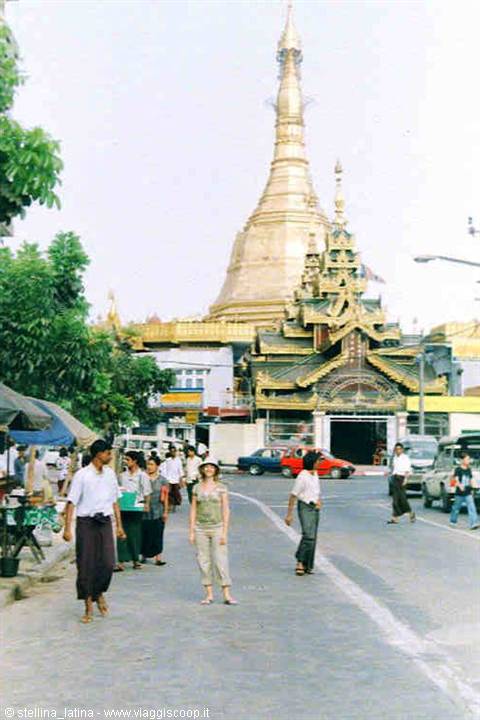
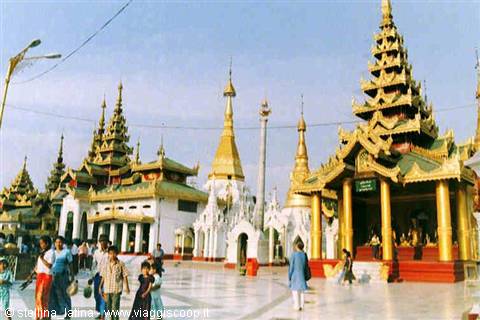
The capital offers Western standards that we were no longer used to. In the city centre, military drills take place daily, and you can hear the orders given to the soldiers. It's a modern metropolis where poverty and wealth, misery and development exist side by side. The dirt, absent in the rest of the country, is visible in the streets. The Theinbyu Zei market is an unforgettable olfactory experience, recommendable only to the strong-stomached, while the Bogyoke Aung San market, enormous and indoors, is ideal for buying souvenirs of all kinds, from T-shirts to gold, from handicrafts to cheap Chinese products. The Sule Paya is also beautiful, but the symbol of Burma is the Shwedagon Paya. So we witnessed the last Burmese sunset immersed in the gold of its decorations and surrounded by swarms of tourists, never encountered in the rest of the village.

It was all so magical that it broke your heart to leave the Paya because it represented the end of our journey. With moist eyes we said goodbye to the magical Shwedagon and, the following day, after another tour of the market, we set off again to plunge back into cold, stressful and beloved Milan.

USEFUL INFORMATION

- Visa: it is indispensable and is requested from the Embassy of the Union of Myanmar, via della Camilluccia, 55, 00135 Rome, Tel 06/36304056, Fax 06/36298566. Cost 25 euros, time required 15 days. - Vaccinations: recommended against hepatitis A and B, typhoid and malaria in the wet season. - In your suitcase: Footwear will have to be continually removed to enter pagodas and monasteries where not even socks are allowed. I recommend long, light trousers, flip-flops and T-shirts or shirts. Bring mosquito repellent and a torch to cope with the lack of electricity. It is not necessary to bring mosquito nets or sleeping bags. - Currency: kyats are the local currency but the US dollar is much appreciated. The best exchange rate is at Yangon airport. - Period: Myanmar is subject to two seasons, dry and rainy. Both have advantages and disadvantages. The dry season runs from November to May.

Yangon: Shwedagon Paya

The journey's photographs

37 photographs · click to open them full screen

▶ Slideshow
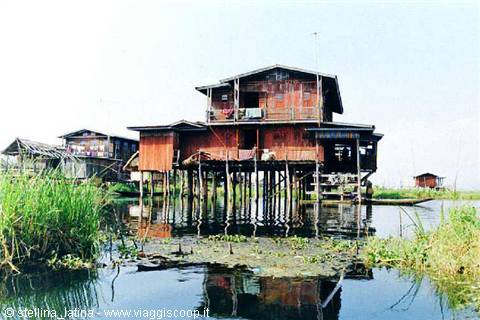
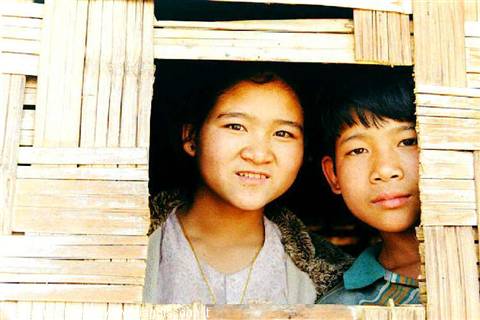
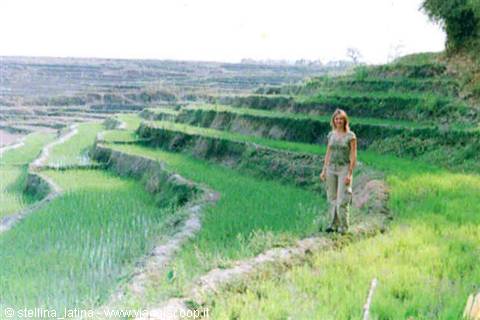
BaganInle LakeInle LakeGolden Triangle - trekkingMingunMingunMandalay - monasteryMandalayMandalayMingun market stallsgirl at AwaThe ancient monastery of AwaSagaing MonasteryMount PopaMount Popa - local means of transportBaganBagan: farmers among the ancient PayasBagan: fishermenBagan: in the fishermen's villagegirl at the 5-day market, near PindayaKalaw, woman at the marketpindaya cavesOn the road to Inle LakeInle Lake: fishermenInle Lake: the villagesInle Lake: children met during the trekkingkengtong: Hakka womanKengtung: rice fieldsKengtung: villageKengtung: Hakka womanKengtung: Shan womanKengtung: Silver Palau womanKengtung: steamed ravioli at the marketKengtung: Silver Palou womanYangon: marketYangon: Sule PayaYangon: Shwedagon Paya

0 reader comments

No comments yet. Be the first to write about what struck you on this trip.
To comment sign in or join free.
esc
↑↓ navigate ↵ open esc close All results →